A Complete Guide to Trekking and Climbing in Nepal: Safety and Permits Explained
Nepal is more than a destination; it is a pilgrimage for those who seek the sublime. From the thunderous peaks of the Himalayas to the ancient, incense-filled alleyways of Kathmandu, this country offers a transformative experience that defies simple description.
Why Visit Nepal?
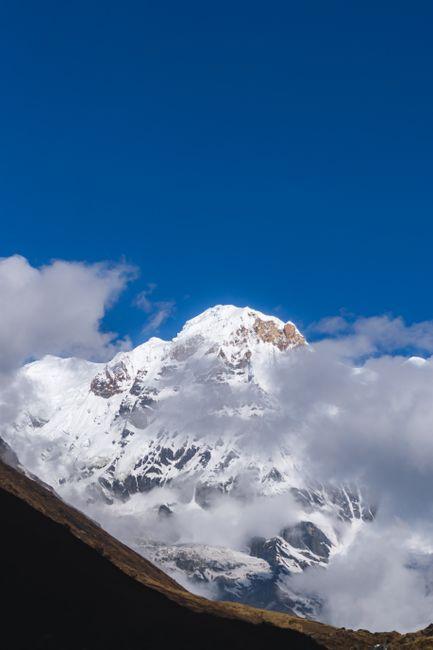
Nepal hosts eight of the world’s fourteen peaks over 8,000 meters. Beyond the altitude, it is the profound sense of spirituality and the warmth of the mountain communities that keep travelers returning. Whether you are a seasoned mountaineer or a casual hiker, the scale of the landscape is humbling.
History and Cultural Significance
Nepal sits at the crossroads of ancient civilizations. The influence of both Hinduism and Buddhism is woven into every village. You will find that the physical act of trekking is often mirrored by a cultural journey, as you pass mani walls, stupas, and monasteries that have stood for centuries.
Top Attractions
- Everest Base Camp (EBC): The most iconic trek in the world.
- Annapurna Circuit: Known for its dramatic transition from subtropical forests to high-altitude deserts.
- Langtang Valley: The "Valley of Glaciers," offering a more intimate mountain experience.
- Pokhara: The gateway to the Annapurnas, famous for its serene Phewa Lake.
Best Time to Visit
- Spring (March–May): Best for rhododendron blooms and stable, albeit warmer, weather.
- Autumn (September–November): The "Gold Standard" for trekking, offering crystal-clear mountain views after the monsoon.
Essential Permits for Trekkers
Navigating the bureaucracy is a vital part of planning. Most regions require two primary documents:
| Permit Type | Purpose | How to Get
| :--- | :--- | :--- |
| TIMS Card | Trekker Information Management System | Via TAAN or Nepal Tourism Board |
| National Park/Conservation Entry | Access to protected areas | Park entrance gates or Kathmandu |
Note: Restricted areas like Upper Mustang or Manaslu require a special Restricted Area Permit (RAP) and must be arranged through a registered agency.
Safety and Altitude Awareness
Altitude Sickness (Acute Mountain Sickness or AMS) is the primary risk in Nepal.
- Ascend Slowly: Never exceed a 300–500 meter gain in sleeping altitude once above 3,000 meters.
- Hydrate: Drink at least 3–4 liters of water daily.
- Listen to your body: If symptoms like nausea or severe headaches persist, descend immediately.
Accommodation and Food
Teahouses are the backbone of the trekking experience. These mountain lodges provide a warm bed and hearty meals.
- Must-try dish: Dal Bhat (lentil soup, rice, and curried vegetables). It is bottomless, nutritious, and the fuel of every Sherpa.
Sample 14-Day EBC Itinerary
- Days 1–2: Kathmandu to Lukla and Phakding.
- Days 3–4: Namche Bazaar (Acclimatization).
- Days 5–6: Tengboche and Dingboche.
- Days 7–8: Lobuche and Gorak Shep.
- Day 9: Everest Base Camp and back to Pheriche.
- Days 10–14: Descent back to Lukla and return to Kathmandu.
Frequently Asked Questions
- Do I need a guide? While some regions allow solo trekking, the Nepal government has restricted solo trekking in many areas for safety. Always check the latest regulations.
- Is Nepal safe? Generally, yes. The biggest threats are altitude and weather, not crime.
- Can I drink the tap water? No. Always use purification tablets or a high-quality filter.
- Do I need travel insurance? Absolutely. Ensure your policy covers helicopter evacuation up to 6,000 meters.
- What is the currency? The Nepalese Rupee (NPR). Carry cash for remote mountain villages.
- How fit do I need to be? You don't need to be an athlete, but consistent cardiovascular training for 3 months prior is highly recommended.
Final Travel Tips
Respect the local culture by dressing modestly, especially in monasteries. Always walk to the left of prayer wheels and mani walls. Above all, maintain a flexible mindset—in the Himalayas, the mountains dictate the schedule, not your watch.