A Complete Guide to Trekking the Everest Region: Tips for Your First Trip
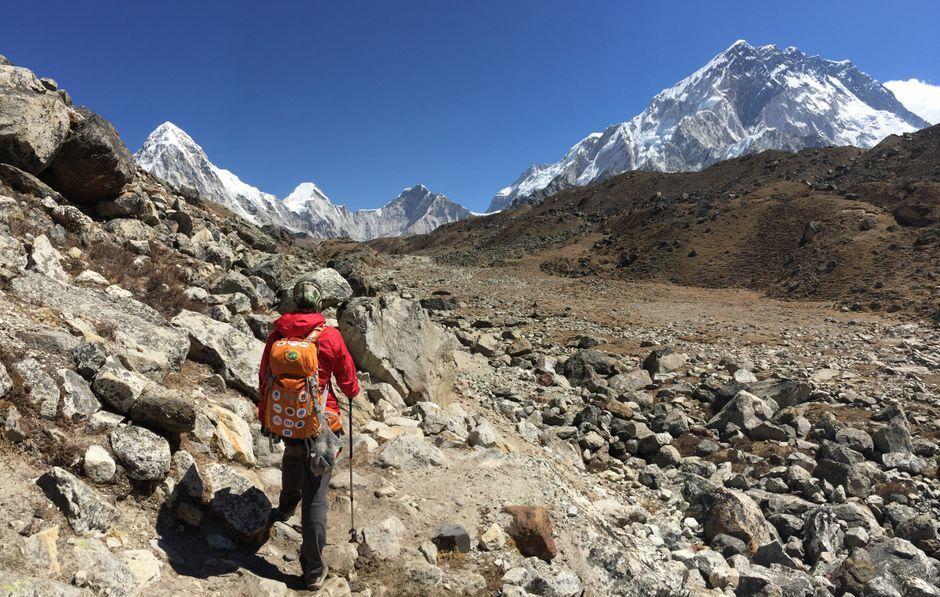
Standing at the foot of the world’s highest peak is a transformative experience. Trekking in the Everest Region—locally known as the Khumbu—is not just about the altitude; it is a journey through the heart of Sherpa culture, high-altitude landscapes, and some of the most iconic mountain scenery on the planet.
Why Visit the Everest Region?
The Khumbu offers more than just bragging rights. It provides a rare glimpse into a rugged, high-altitude lifestyle that has remained largely unchanged for centuries. Unlike other trekking destinations, the infrastructure here—ranging from cozy teahouses to well-marked trails—is remarkably developed, making it accessible for those with proper preparation.
History and Cultural Significance
The Everest region is the ancestral home of the Sherpa people. Their lives are deeply intertwined with Tibetan Buddhism, visible in the vibrant prayer flags, mani walls, and ancient monasteries like Tengboche. When you trek here, you aren't just a tourist; you are a guest in a sacred landscape.
Top Attractions
- Everest Base Camp (EBC): The primary goal for most, offering a front-row seat to the Khumbu Icefall.
- Kala Patthar: Often considered the best viewpoint for Everest, rising to 5,545 meters.
- Tengboche Monastery: The spiritual heart of the Khumbu, set against the backdrop of Ama Dablam.
- Gokyo Lakes: A stunning series of turquoise glacial lakes, often bypassed by those sticking to the main EBC trail.
Things to Do
Beyond trekking, ensure you spend time acclimatizing in Namche Bazaar. Visit the Sherpa Culture Museum, enjoy a fresh coffee at the world's highest bakery, or simply chat with local lodge owners to learn about their history of mountaineering.
Best Time to Visit and Weather
- Spring (March–May): Rhododendrons are in bloom and temperatures are mild, though it is the peak climbing season.
- Autumn (October–November): Offers the clearest skies and most stable weather, making it the most popular time for trekkers.
| Season | Typical Daytime Temp | Conditions |
|---|---|---|
| Spring | 10°C to 15°C | Clear mornings, occasional afternoon clouds |
| Autumn | 5°C to 12°C | Crisp, stable, excellent mountain views |
| Winter | -10°C to 5°C | Very cold, but fewer crowds |
Getting There
Most trekkers fly from Kathmandu to Lukla, the gateway to Everest. Flights are subject to weather delays, so always build at least two buffer days into your itinerary.
Accommodation and Food
Teahouses are the standard. They provide a bed and a warm dining room. Expect hearty meals like Dal Bhat (lentil soup, rice, and vegetables), which is the fuel of the Himalayas. It is unlimited, nutritious, and keeps you going for hours.
Local Customs and Etiquette
- Always walk to the left of mani walls and stupas.
- Dress modestly; cover your shoulders and knees.
- Ask permission before taking photos of locals or inside monasteries.
Costs and Budgeting
Budget between $1,200 and $2,000 USD for a standard 12-14 day trip, excluding international flights. This covers permits (Sagarmatha National Park, Khumbu Pasang Lhamu Rural Municipality), guides, porters, food, and accommodation.
Safety and Altitude
Acute Mountain Sickness (AMS) is the biggest risk. Ascend slowly, drink at least 3-4 liters of water daily, and never ignore symptoms. If you feel dizzy or nauseous, descend immediately.
Essential Packing Tips
- Layering System: Base layers, a fleece, a down jacket, and a waterproof shell.
- Footwear: Well-broken-in trekking boots.
- Hydration: Water purification tablets or a filter bottle.
Sample 12-Day Itinerary
- Kathmandu to Lukla, trek to Phakding.
- Trek to Namche Bazaar.
- Acclimatization in Namche.
- Trek to Tengboche.
- Trek to Dingboche.
- Acclimatization in Dingboche.
- Trek to Lobuche.
- Trek to Gorak Shep and EBC.
- Hike to Kala Patthar, descend to Pheriche.
- Trek to Namche.
- Trek to Lukla.
- Fly to Kathmandu.
Frequently Asked Questions
1. Do I need a guide?
While you can technically trek solo, a local guide significantly increases safety and cultural understanding.
2. Is the EBC trek difficult?
It is physically demanding due to altitude, not technical difficulty. Anyone with average fitness can do it.
3. Are there ATMs in the region?
There are limited ATMs in Namche, but they are unreliable. Carry enough cash from Kathmandu.
4. Is there Wi-Fi?
Yes, most teahouses offer paid Wi-Fi, though it is often slow.
5. What is the best way to prevent AMS?
Acclimatize properly and stay hydrated. Consider consulting your doctor about Diamox.
6. Do I need travel insurance?
Yes, ensure your policy covers high-altitude trekking and emergency helicopter evacuation.
Final Travel Tips
Respect the trail, carry out your trash, and leave the Khumbu cleaner than you found it. The mountains are a fragile environment; be a responsible traveler.