A Complete Guide to Visiting Pokhara: What Travelers Need to Know About Nepal’s New International Gateway
For decades, Pokhara has served as the serene, lakeside antithesis to the chaotic energy of Kathmandu. Now, with the operational status of the Pokhara Regional International Airport (PRIA), this adventure capital is no longer just a secondary stop—it is a primary gateway to the Himalayas. Whether you are prepping for a trek to Annapurna Base Camp or seeking a sanctuary for paragliding and meditation, Pokhara is evolving.
Why Visit Pokhara?
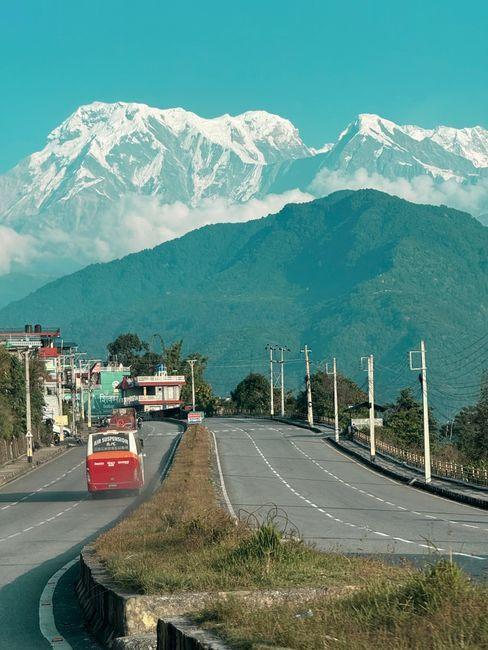
Pokhara offers a unique blend of adrenaline and stillness. Unlike the sprawling urban sprawl of the capital, Pokhara sits at the base of the Annapurna Massif, offering immediate access to world-class trekking, emerald-green lakes, and a laid-back international traveler culture that feels both worldly and distinctly Nepali.
History and Cultural Significance
Historically, Pokhara was a vital trade route between Tibet and India. The valley was once home to the Gurung and Magar communities, whose influence remains deeply embedded in the local culture. The city's growth exploded in the 1970s when the hippie trail brought Western travelers, transforming the quiet village into the vibrant hub it is today.
Top Attractions
- Phewa Lake: The heart of the city, perfect for boating and sunset views.
- World Peace Pagoda: A stunning stupa offering panoramic views of the Annapurna range.
- Davis Falls (Patale Chhango): An underground waterfall that creates a mystical atmosphere.
- International Mountain Museum: A must-visit to understand the history of mountaineering in Nepal.
- Sarangkot: The premier spot for sunrise views over the Himalayas.
Things to Do
| Activity | Difficulty | Best For |
|---|---|---|
| Paragliding | Moderate | Thrill Seekers |
| Trekking | High | Adventure Lovers |
| Yoga Retreats | Low | Wellness Seekers |
| Boating | Low | Families/Couples |
Best Time to Visit
- Autumn (Sept–Nov): The gold standard for trekking with crisp air and clear skies.
- Spring (March–May): Ideal for seeing rhododendrons in bloom and mild temperatures.
Transportation
With the opening of the new international airport, you can now bypass the long bus rides from Kathmandu. Domestic flights take approximately 25 minutes. Locally, taxis and mountain bikes are the preferred modes of transport.
Accommodation Recommendations
- Luxury: The Pavilions Himalayas for sustainable, high-end comfort.
- Mid-Range: Hotel Barahi for its central lakeside location and pool.
- Budget: Countless boutique hostels exist in the Lakeside district catering to solo backpackers.
Food to Try
Don't leave without trying Thukpa (noodle soup), Momo (dumplings), and fresh river fish caught from the local lakes. The Lakeside area is also famous for its international cafes offering excellent coffee and artisanal breads.
Local Customs and Etiquette
Nepali culture is deeply respectful. Always dress modestly when visiting temples, remove your shoes before entering homes, and use your right hand for eating or giving items.
Costs and Budget Estimates
- Budget: $25–$40/day
- Mid-range: $60–$100/day
- Luxury: $150+/day
Safety Tips
While generally safe, always trek with a registered guide. Be mindful of altitude sickness if heading into the higher mountains, and ensure you have comprehensive travel insurance that covers emergency helicopter evacuation.
Packing Tips
Pack layers, a sturdy pair of hiking boots, a high-quality water filter, and a universal power adapter. Even in summer, evenings near the mountains can be chilly.
Sample 3-Day Itinerary
- Day 1: Arrive, stroll the Lakeside, and enjoy a sunset boat ride on Phewa Lake.
- Day 2: Early morning sunrise at Sarangkot, followed by a visit to the Peace Pagoda.
- Day 3: Cultural immersion at the Mountain Museum and a final evening of live music in the Lakeside district.
Frequently Asked Questions
- Is Pokhara safe for solo female travelers? Yes, it is widely considered one of the safest destinations in Asia.
- Do I need a permit for trekking? Yes, most treks require a TIMS card and a local permit.
- Is the new airport open for international flights? While the infrastructure is there, check current flight schedules as the transition to international status is ongoing.
- What currency should I carry? Nepali Rupees are essential, though ATMs are readily available in Lakeside.
- Is there Wi-Fi? Yes, most cafes and hotels have reliable internet.
- How do I get to Annapurna Base Camp? Most hikers start from Nayapul, which is a one-hour drive from Pokhara.
Final Travel Tips
Take it slow. The "Pokhara pace" is intentional. Don't rush your itinerary; leave room for spontaneous invitations for tea or unexpected mountain views.