
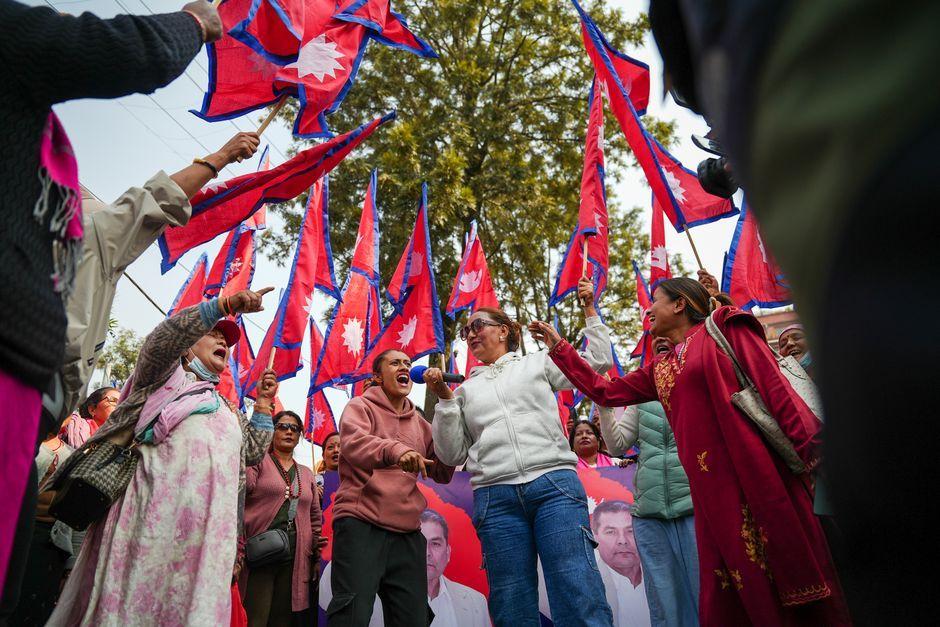
Balendra Balen Shah Addresses UN General Assembly: Key Takeaways from Nepal’s Vision for Global Climate Action
On September 24, 2026, the global stage turned toward the United Nations General Assembly (UNGA) as Balendra “Balen” Shah, in his capacity representing the evolving political landscape of Nepal, delivered a landmark address. While traditionally the domain of federal heads of state, Shah’s presence underscored the growing influence of sub-national leadership in solving the existential crisis of climate change.
A Voice from the Third Pole
Nepal, often referred to as the 'Third Pole,' stands at the frontline of the climate crisis. During his address, Shah pivoted away from abstract policy, focusing instead on the tangible, lived experiences of Himalayan communities. He highlighted the rapid melting of glaciers, erratic monsoon patterns, and the increasing frequency of glacial lake outburst floods (GLOFs) that threaten the very infrastructure of tourism and agriculture.
Key Takeaways from the Address
- Mountain-Centric Diplomacy: Shah demanded that climate finance specifically target mountainous regions, arguing that current global frameworks overlook the specific infrastructure needs of high-altitude nations.
- Sustainable Urbanization: Drawing from his experience as a municipal leader, he proposed a model for 'Green Urbanization' that can be scaled to developing nations to reduce carbon footprints without stifling economic growth.
- Accountability for Loss and Damage: He called for a robust, transparent mechanism for climate reparations, emphasizing that Nepal contributes minimally to global emissions yet suffers disproportionately from climate impacts.
What This Means for Nepal’s Tourism Future
For international travelers, this address signals a shift in how Nepal manages its natural assets. Travelers can expect to see a stronger emphasis on 'Climate-Resilient Tourism' in the coming years.
| Initiative Area | Impact on Travelers |
|---|---|
| Infrastructure | More resilient trekking routes and safer mountain transit. |
| Carbon Footprint | Promotion of low-impact, high-value eco-tourism hubs. |
| Community Support | Direct funding to local homestays and mountain guides. |
Practical Advice for Conscious Travelers
As Nepal aligns its national policy with global climate goals, the way we visit the Himalayas must also evolve. If you are planning a trip to the Everest or Annapurna regions, consider the following:
- Support Local Initiatives: Choose trekking agencies that are certified for sustainable practices and pay fair wages to porters and guides.
- Minimize Waste: Nepal is working hard to manage waste in high-altitude areas. Always carry out what you carry in, especially plastic bottles and batteries.
- Off-Season Exploration: To reduce pressure on popular trails during peak climate-vulnerable months, consider visiting during the shoulder seasons.
A Call for Global Solidarity
Balen Shah’s UNGA appearance was more than a speech; it was a rallying cry for the protection of the world’s water towers. By centering the mountain experience in global climate discourse, Nepal is positioning itself not just as a destination for adventure, but as a leader in environmental stewardship. For those who love the Himalayas, this is a moment to engage more deeply with the preservation of these lands.