Essential Travel Tips for Your First Trip to Nepal
Nepal is more than just a destination; it is a sensory awakening. From the chaotic, incense-filled alleys of Kathmandu to the silent, snow-dusted peaks of the Himalayas, this landlocked nation demands your full attention. If you are planning your first trip, you are likely feeling a mix of exhilaration and overwhelm. This guide cuts through the noise to provide the practical, expert-vetted advice you need to navigate the Land of the Himalayas with confidence.
Why Visit Nepal?
Nepal offers a rare convergence of extreme adventure and profound spiritual stillness. Whether you are an adrenaline seeker looking to conquer high-altitude passes or a cultural traveler hoping to witness ancient rituals at Pashupatinath, Nepal delivers on a scale few other countries can match. It is one of the few places on Earth where you can experience a bustling medieval city in the morning and be staring at an 8,000-meter peak by evening.
History and Cultural Significance
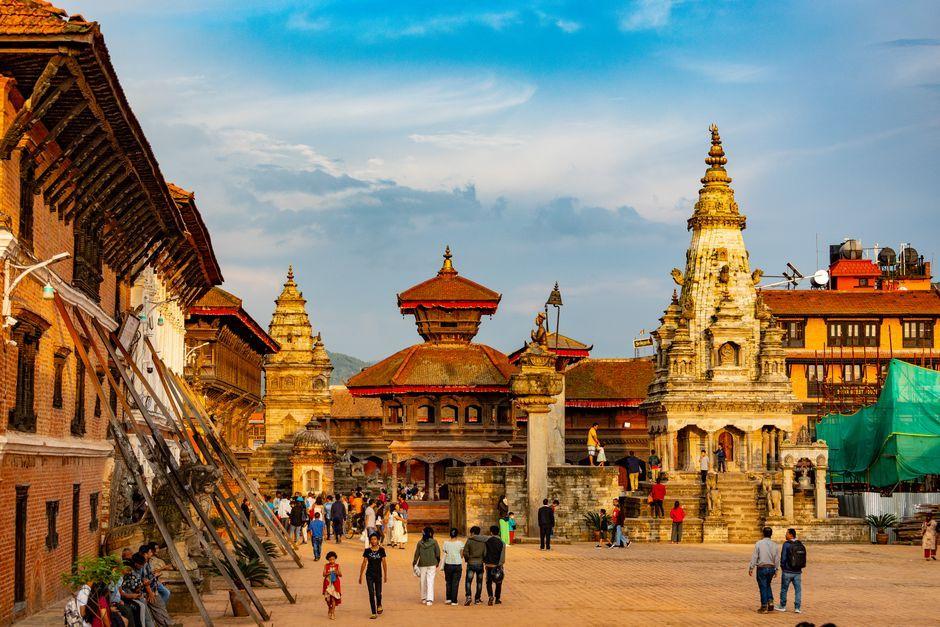
Nepal’s history is a tapestry woven from Hinduism and Buddhism. As the birthplace of Siddhartha Gautama (the Buddha) in Lumbini, the country holds deep significance for millions. The Kathmandu Valley, a UNESCO World Heritage site, serves as a living museum of Newar architecture, where intricate wood carvings and pagoda-style temples have stood for centuries. Understanding this heritage is key to appreciating why locals maintain such deep-seated traditions despite the rapid pace of modern globalization.
Top Attractions and Things to Do
The Kathmandu Valley
Spend at least three days exploring the three ancient kingdoms: Kathmandu, Patan, and Bhaktapur. Each offers unique Durbar Squares that showcase the pinnacle of Malla-era architecture.
Pokhara and the Annapurna Region
Pokhara is the gateway to the Annapurnas. It is the perfect place to decompress, enjoy a lakeside cafe, or launch a trek ranging from three days (Poon Hill) to three weeks (Annapurna Circuit).
Chitwan National Park
For a change of scenery, head to the Terai plains. Here, you can spot one-horned rhinoceroses, Bengal tigers, and crocodiles in their natural habitat.
Everest Base Camp (EBC)
For the seasoned trekker, EBC is the ultimate bucket-list item. It requires physical preparation and a healthy respect for altitude.
Best Time to Visit and Weather
| Season | Months | Conditions |
|---|---|---|
| Peak | Oct–Nov | Clear skies, best mountain views |
| Spring | Mar–May | Rhododendrons bloom, warmer temps |
| Monsoon | Jun–Aug | Heavy rain, leeches, lush greenery |
| Winter | Dec–Feb | Cold, but great for lower-altitude trekking |
Practicalities: Transportation and Accommodation
Getting Around
Domestic flights are the fastest way to travel between major hubs like Kathmandu and Pokhara. However, for the true Nepal experience, local buses are cheap but rugged. If your budget allows, hiring a private jeep with a local driver is significantly more comfortable and flexible.
Where to Stay
- Kathmandu: Stay in Thamel for convenience or Patan for a more authentic, boutique experience.
- Pokhara: Lakeside offers endless options, from budget hostels to luxury retreats.
- Trekking: Teahouses are the standard. Expect basic rooms, shared bathrooms, and communal dining rooms heated by wood stoves.
Food to Try
Don’t leave without trying these staples:
- Dal Bhat: The national dish. It’s a lentil soup served with rice and vegetable curries. It’s bottomless, healthy, and keeps you fueled for trekking.
- Momos: Steamed or fried dumplings filled with buffalo, chicken, or vegetables.
- Sel Roti: A sweet, ring-shaped rice bread often found at street stalls.
Local Customs and Etiquette
- Dress modestly: Keep shoulders and knees covered, especially when visiting temples.
- Use your right hand: When eating or giving/receiving items, use your right hand; the left is considered unclean.
- Ask before photographing: Always seek permission before taking photos of people, especially during religious ceremonies.
Budget Estimates (Per Day)
- Budget: $30–$45 (Hostels, local buses, dal bhat)
- Mid-range: $60–$100 (Boutique hotels, private transport, occasional flights)
- Luxury: $200+ (High-end resorts, private guides, helicopter tours)
Safety and Health Tips
- Altitude Sickness: Never rush your ascent. If you experience headaches or nausea, descend immediately.
- Water: Never drink tap water. Use a filtered bottle or purification tablets.
- Insurance: Ensure your travel insurance covers high-altitude trekking up to 5,000+ meters.
Packing Essentials
- Sturdy, broken-in hiking boots
- A high-quality down jacket (even in spring)
- Universal travel adapter
- A comprehensive first-aid kit with rehydration salts
- Headlamp with extra batteries
Sample 10-Day Itinerary
- Day 1-2: Arrive in Kathmandu, explore Durbar Squares.
- Day 3-4: Fly to Pokhara, enjoy lakeside activities.
- Day 5-8: Short trek (e.g., Poon Hill) to experience mountain life.
- Day 9: Return to Kathmandu, souvenir shopping.
- Day 10: Departure.
Frequently Asked Questions
- Do I need a visa? Yes, most nationalities can get a Visa on Arrival at Tribhuvan International Airport.
- Is it safe for solo travelers? Generally, yes. Exercise standard caution and avoid trekking alone in remote areas.
- Is cash necessary? Absolutely. Outside of major hotels in Kathmandu, credit cards are rarely accepted.
- Do I need a guide? While independent trekking is possible, a guide adds cultural depth and safety, especially for first-timers.
- What is the best currency to carry? Carry USD or EUR to exchange for Nepali Rupees upon arrival.
- Are there ATMs? Yes, in major cities, but they can be unreliable. Carry backup cash.
Final Travel Tips
Nepal rewards those who slow down. Do not over-schedule your trip. Allow for "buffer days" in your itinerary, as domestic flights and road travel are frequently delayed by weather or traffic. Most importantly, keep an open mind—the magic of Nepal lies in its unpredictability.