Everest Legend: The Inspiring Story of Lhakpa Sherpa and How to Follow in Her Footsteps
In the male-dominated world of high-altitude mountaineering, few names command as much respect as Lhakpa Sherpa. With a record-breaking ten summits of Mount Everest, she is not just a climber; she is a force of nature. Born in the Makalu region of Nepal, Lhakpa’s journey from a humble village to the top of the world challenges every stereotype about Sherpa life and women in mountaineering.
Why Visit the Everest Region?
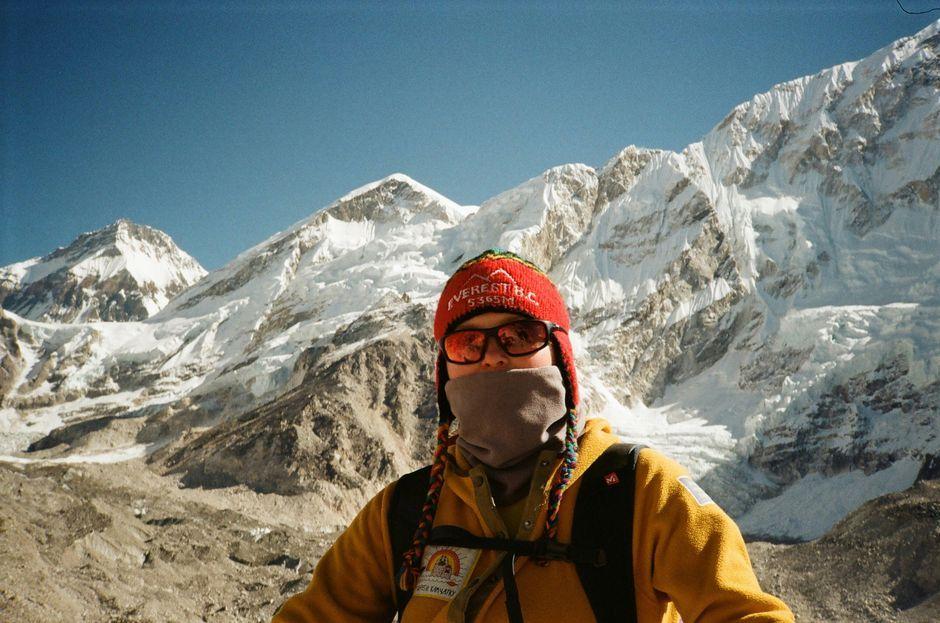
Visiting the Khumbu region is more than just checking a peak off a bucket list. It is an immersion into the Sherpa culture, a landscape of raw, jagged beauty, and an opportunity to witness the resilience of the human spirit. Whether you are trekking to Everest Base Camp (EBC) or simply exploring the bustling streets of Namche Bazaar, the energy of this region is transformative.
History and Cultural Significance
Sherpas were historically traders, moving goods between Tibet and Nepal. Their transition into high-altitude guiding began in the early 20th century, forever changing the trajectory of Himalayan exploration. Lhakpa Sherpa’s story represents the modern evolution of this culture, where women are stepping into leadership roles, defying traditional expectations, and claiming their place on the world’s highest stage.
Top Attractions and Things to Do
- Namche Bazaar: The gateway to the high Himalayas. Spend at least two days here to acclimatize.
- Tengboche Monastery: The spiritual heart of the Khumbu, offering stunning views of Ama Dablam.
- Everest Base Camp: The ultimate goal for most trekkers, providing a glimpse into the life of expedition teams.
- Kala Patthar: The best viewpoint for a panoramic look at Everest, Nuptse, and Lhotse.
When to Visit and Weather
| Season | Months | Conditions |
|---|---|---|
| Spring | March–May | Best for climbing/clear views |
| Monsoon | June–August | Rainy, leeches, poor visibility |
| Autumn | Sept–Nov | Stable weather, crisp air |
| Winter | Dec–Feb | Extremely cold, quiet trails |
Transportation and Logistics
Most travelers fly from Kathmandu to Lukla, the world’s most dangerous airport. Be prepared for flight delays due to weather; always build a buffer of 2–3 days into your itinerary.
Accommodation and Food
Teahouses are the standard. Expect basic rooms with twin beds and communal dining areas.
- Must-try food: Dal Bhat (the fuel of the Himalayas), Sherpa stew (Thukpa), and fresh ginger-lemon-honey tea.
Local Customs and Etiquette
Respect the mountains as sacred. When visiting monasteries, always walk clockwise around prayer wheels and stupas. Dress modestly, and always ask permission before taking photos of local people.
Budget Estimates
For a standard 14-day EBC trek, budget between $1,500 and $2,500 USD, excluding international flights. This covers permits, guides, teahouses, and gear rentals.
Essential Safety and Packing Tips
- Acclimatization: Never rush. Follow the "climb high, sleep low" rule.
- Gear: Invest in high-quality boots and a down jacket. Renting gear in Kathmandu is an option, but your boots should be broken in before arrival.
- Insurance: Ensure your policy covers emergency helicopter evacuation at altitudes above 5,000 meters.
Sample 14-Day Itinerary
- Arrival in Kathmandu
- Flight to Lukla; Trek to Phakding
- Trek to Namche Bazaar
- Acclimatization in Namche
- Trek to Tengboche
- Trek to Dingboche
- Acclimatization in Dingboche
- Trek to Lobuche
- Trek to Gorak Shep and EBC
- Climb Kala Patthar; Return to Pheriche
- Trek to Namche
- Trek to Lukla
- Fly to Kathmandu
- Departure
Frequently Asked Questions
1. Do I need a guide for the Everest region?
Yes, current regulations require trekkers to hire a licensed guide for most regions in Nepal.
2. Is it safe for solo female travelers?
Yes, the Everest region is generally very safe, but hiring a guide is recommended for both safety and cultural insight.
3. How hard is the trek?
It is physically demanding. Cardiovascular fitness and mental stamina are essential.
4. Can I get altitude sickness?
Yes. It affects everyone regardless of fitness. Descend immediately if symptoms persist.
5. Is there Wi-Fi on the trail?
Most teahouses now offer paid Wi-Fi, though it can be unreliable.
6. What is the best currency to carry?
Carry Nepalese Rupees. ATMs are scarce above Namche Bazaar.
Final Travel Tips
Like Lhakpa Sherpa, approach the mountains with humility. The Himalayas do not conquer you; you survive them. Stay hydrated, listen to your guide, and take the time to soak in the silence of the high peaks.