
Nepal Floods 2026: Understanding the Bhote Koshi–Trishuli Disaster and Recovery Efforts
On August 26, 2026, a catastrophic flooding event struck the Bhote Koshi and Trishuli river corridors, marking one of the most challenging natural disasters in Nepal's recent history. As the floodwaters receded, they left behind a landscape reshaped by intense glacial runoff and unprecedented debris flow. This article provides an overview of the situation as of late 2026, focusing on the human impact and the ongoing recovery efforts across Rasuwa, Nuwakot, and Dhading.
The Anatomy of the Disaster
The disaster was triggered by a combination of extreme monsoon rainfall and suspected glacial lake instability in the upper reaches of the Bhote Koshi basin. The resulting flash flood surged downstream with immense force, carrying boulders and sediment that decimated critical infrastructure.
Impact on Infrastructure
As of September 2026, the damage to infrastructure remains significant:
| Sector | Status/Impact |
|---|---|
| Road Connectivity | Major damage to the Arniko Highway and internal access roads in Rasuwa. |
| Hydropower | Several run-of-river projects on the Bhote Koshi and Trishuli sustained structural damage. |
| Bridges | Multiple suspension and motorable bridges were swept away, isolating remote communities. |
Humanitarian Response and Recovery
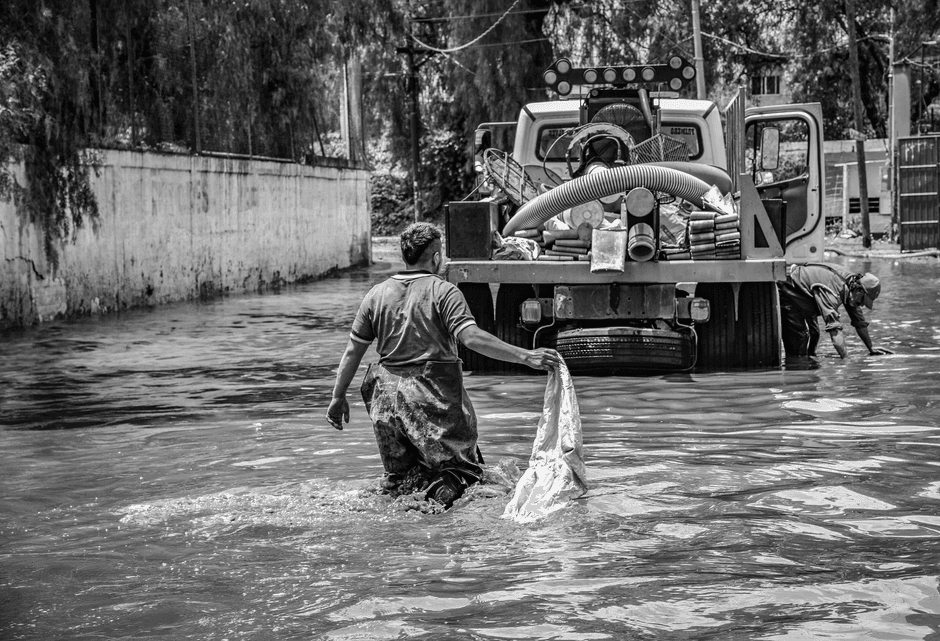
The Nepal Army, Armed Police Force, and local communities immediately launched search-and-rescue operations. Despite the difficult terrain, relief efforts have focused on providing food, shelter, and medical supplies to displaced families in the affected districts.
Supporting Local Communities
If you are planning to visit Nepal, you may wonder how your travel impacts these regions. Currently, the most effective way to help is to support reputable humanitarian organizations working on the ground to restore water, sanitation, and hygiene (WASH) facilities.
Travel Advice and Safety
For travelers currently in or planning trips to Nepal, the situation remains fluid. Resilience is at the heart of the Nepali tourism industry, but safety must come first.
- Check Conditions: Always consult with the Department of Hydrology and Meteorology (DHM) for real-time weather alerts.
- Verify Routes: Before booking transport to northern districts, contact local trekking agencies or the Nepal Tourism Board for the latest road status reports.
- Flexibility: Keep your itinerary flexible. If a specific trekking route in the Langtang or Ganesh Himal region is affected, consider shifting your plans to stable areas like the Annapurna or Everest regions, which remain largely operational.
Looking Ahead: Resilience and Climate Change
The 2026 disaster serves as a sobering reminder of the vulnerability of Himalayan communities to climate change. As Nepal works toward reconstruction, there is a renewed focus on "build back better" initiatives, incorporating climate-resilient engineering and early-warning systems to protect both residents and visitors in the future.