
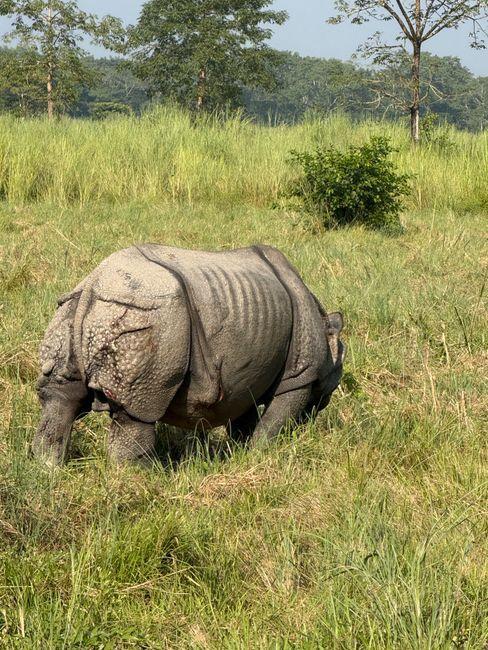
Why Banke National Park Should Be Your Next Nepal Wildlife Destination
When most travelers think of wildlife in Nepal, their minds immediately drift to the iconic, well-trodden trails of Chitwan or the misty highlands of Bardia. Yet, tucked away in the southwestern plains, Banke National Park remains one of the country's best-kept secrets. Established in 2010, it is a testament to Nepal’s commitment to conservation, acting as a vital corridor for tigers and rhinos traveling between India and Nepal.
Why Visit Banke National Park?
Banke offers an authentic, off-the-beaten-path experience that is increasingly rare in modern tourism. Unlike more commercialized parks, here you can explore vast swathes of Sal forest and grasslands without the constant hum of tourist jeeps. It is the perfect destination for the traveler who values solitude, raw nature, and the chance to contribute to a developing ecosystem.
History and Cultural Significance
Designated as a national park in 2010 to protect the habitat of the Royal Bengal Tiger, Banke is a critical link in the Terai Arc Landscape. It covers 550 square kilometers, with an additional buffer zone of 343 square kilometers. The region is deeply tied to the Tharu community, an indigenous group known for their profound connection to the forest and unique architectural heritage.
Top Attractions
- The Tiger Corridor: The park is a primary migratory route for tigers.
- Diverse Ecosystems: Ranging from Himalayan foothills to flat Terai lowlands.
- Flora and Fauna: Over 124 species of plants and 34 species of mammals.
Things to Do
Jungle Safaris
Jeep safaris are the most popular way to traverse the park. You will likely spot wild elephants, four-horned antelopes, and a variety of birdlife.
Bird Watching
With over 300 species of birds, including the endangered Bengal Florican, it is a paradise for ornithologists.
Tharu Cultural Immersion
Visit local villages to learn about traditional mud-and-thatch house construction and local agricultural practices.
Best Time to Visit
| Season | Months | Conditions |
|---|---|---|
| Winter | Nov - Feb | Cool, dry; best for spotting animals at water holes |
| Spring | Mar - May | Hot; best for bird watching and flora |
| Monsoon | Jun - Oct | High humidity, restricted access |
Transportation
Getting to Banke is part of the adventure.
- By Air: Fly from Kathmandu to Nepalgunj, then take a private vehicle for a 1-hour drive.
- By Road: A long-distance bus from Kathmandu takes approximately 12-14 hours. Private hire is recommended for comfort.
Accommodation and Food
Most accommodation is centered in the buffer zone. Look for community-run homestays to support local livelihoods. Expect simple, hearty meals: Dal Bhat (lentils and rice) with locally sourced seasonal vegetables is the standard.
Safety and Packing
Always travel with a local guide when entering the forest. Pack neutral-colored clothing, high-quality binoculars, a reliable power bank, and a comprehensive first-aid kit.
Sample 3-Day Itinerary
- Day 1: Arrival in Nepalgunj and transfer to the park; evening Tharu cultural performance.
- Day 2: Full-day jungle safari and bird watching near the Rapti River.
- Day 3: Nature walk in the buffer zone and departure.
Frequently Asked Questions
- Is it safe to visit Banke? Yes, provided you hire a licensed guide.
- Can I see tigers? It is possible, but sightings are rare; focus on the broader biodiversity.
- Do I need a permit? Yes, entry permits are required and can be obtained at the park entrance.
- Is there electricity? Limited in the buffer zone; bring a power bank.
- What is the best way to get there? Flying to Nepalgunj is the most efficient method.
- Are there luxury hotels? No, the experience is rustic and community-focused.
Final Travel Tips
Pack light and bring plenty of water. Most importantly, maintain a "leave no trace" policy to ensure this pristine habitat remains protected for generations to come.