
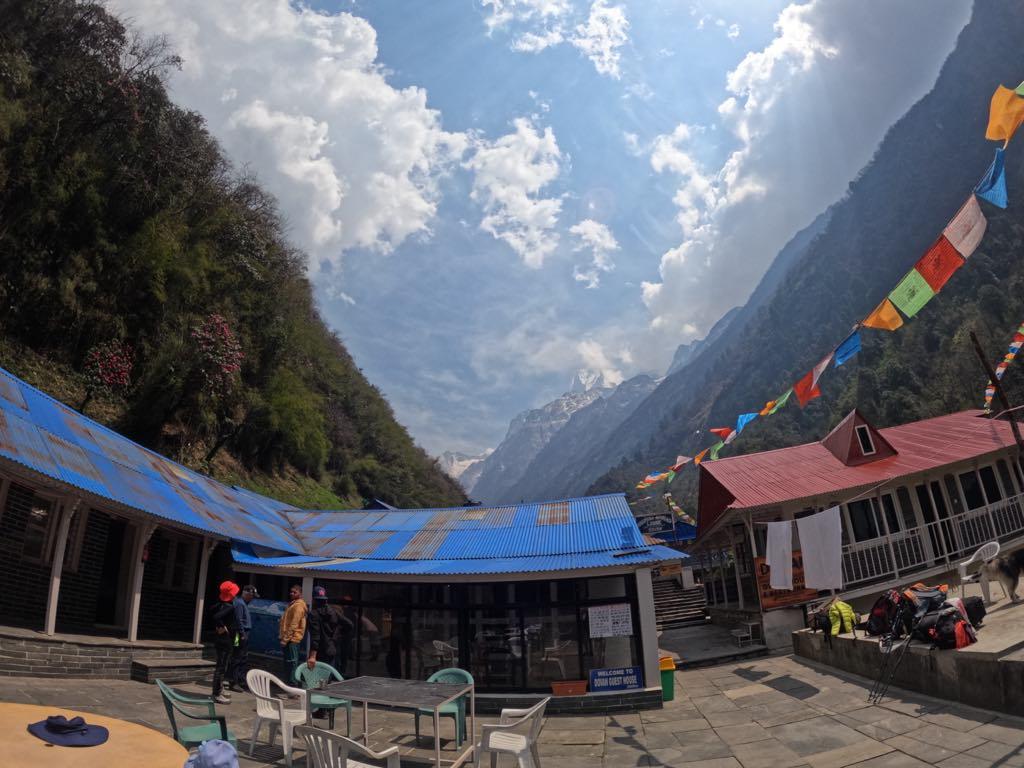
Budget guide to trekking Annapurna Base Camp in Nepal: permits, teahouses, itinerary, costs, and tips for an affordable adventure.
Annapurna Base Camp (ABC) Budget Travel Guide
Introduction
Annapurna Base Camp (ABC) stands as one of Nepal’s most iconic trekking destinations, drawing adventurers from around the globe. Nestled in the heart of the Annapurna Sanctuary, the base camp sits at an altitude of approximately 4,130 meters (13,550 feet) and offers breathtaking views of towering peaks such as Annapurna I (8,091 m), Machhapuchhre (Fishtail), and Hiunchuli. This guide focuses on how to experience the ABC trek on a budget without compromising safety, comfort, or the authentic cultural experience.
Why Choose the ABC Trek?
- Spectacular Scenery: 360-degree panorama of snow‑capped giants.
- Cultural Encounters: Pass through Gurung and Magar villages, observe traditional lifestyles.
- Moderate Difficulty: Suitable for trekkers with reasonable fitness; no technical climbing required.
- Budget‑Friendly: Numerous teahouses, affordable permits, and shared transport options keep costs low.
Best Time to Trek
The optimal seasons are:
- Pre‑monsoon (March–May): Clear skies, blooming rhododendrons, moderate temperatures.
- Post‑monsoon (September–November): Stable weather, excellent visibility, festive atmosphere (Dashain, Tihar).
Avoid the monsoon (June–August) due to landslides and leeches, and the deep winter (December–February) when high passes can be snow‑blocked and temperatures plunge.
Getting There: Transportation on a Budget
International Flight to Kathmandu
Look for deals on carriers like Air India, Qatar Airways, or budget airlines via hubs such as Delhi, Dubai, or Kuala Lumpur. Use flight‑search engines and set price alerts.
Kathmandu to Pokhara
- Tourist Bus: Most economical, $8–$12 USD, 6–8 hours.
- Local Bus: Cheaper (~$5) but less comfortable and longer.
- Flight: Quick (25 min) but $100–$150 USD; consider only if time is limited.
Pokhara to Nayapul (Trailhead)
- Shared Jeep: $4–$6 USD per person, 1.5–2 hours.
- Public Bus: $2–$3 USD, but less frequent.
- Private Taxi: $30–$40 USD; share with other trekkers to split cost.
Permits and Fees
| Permit | Cost (USD) | Where to Obtain |
|---|---|---|
| Annapurna Conservation Area Permit (ACAP) | $30 | Nepal Tourism Board, Kathmandu or Pokhara |
| Trekkers’ Information Management System (TIMS) card | $20 (individual) or $10 (group) | Same offices as ACAP |
| Total | $50 (approx) |
Fees are subject to change; verify before departure.
Budget Accommodation: Teahouses
Teahouses along the ABC route provide basic lodging and meals. Prices per night (including dinner and breakfast) typically range:
- Lower Elevations (Pokhara to Chhomrong): $5–$7 USD
- Mid‑Elevation (Chhomrong to Bamboo): $7–$9 USD
- Higher Altitude (Deurali to ABC): $9–$12 USD
To save money:
- Stay in dormitory‑style rooms when available.
- Eat the set dal bhat (lentil soup, rice, vegetables) – it’s filling, nutritious, and cheapest.
- Avoid bottled water; use water purification tablets or a filter bottle and refill from taps.
Food and Drink on the Trail
- Dal Bhat: $2–$3 USD per meal.
- Noodles, momos, fried rice: $3–$5 USD.
- Snacks (chocolate, biscuits, nuts): $1–$2 USD.
- Hot beverages (tea, coffee): $0.5–$1 USD.
- Alcohol: Generally not recommended at altitude; if desired, expect $3–$5 USD per beer.
Tip: Carry a small stash of energy bars or dried fruit from Kathmandu for emergencies.
Gear Essentials (Budget‑Friendly)
| Item | Suggested Budget Option | Approx. Cost (USD) |
|---|---|---|
| Backpack (30–45 L) | Second‑hand or local brand | $20–$40 |
| Sleeping Bag (−10 °C) | Rent in Pokhara | $5–$8 per night |
| Trekking Poles | Rent or cheap aluminum | $3–$5 |
| Headlamp | Basic LED | $5–$10 |
| Water Purification | Tablets or SteriPen | $5–$10 |
| Clothing | Layer system: base, fleece, down jacket (rent or buy second‑hand) | $30–$60 total |
| Footwear | Sturdy trekking boots (break‑in before trek) | $40–$80 (buy) or rent $2–$3 per day |
Renting gear in Pokhara is a great way to cut upfront costs. Many shops offer package deals for a week.
Sample 7‑Day Budget Itinerary
| Day | Route | Elevation Gain/Loss | Approx. Walking Time | Overnight |
|---|---|---|---|---|
| 1 | Kathmandu → Pokhara (bus) | – | 6–8 h travel | Pokhara |
| 2 | Pokhara → Nayapul (jeep) → Tikhedhunga | +1,000 m | 4–5 h | Tikhedhunga |
| 3 | Tikhedhunga → Ulleri → Ghorepani | +800 m | 5–6 h | Ghorepani |
| 4 | Ghorepani → Poon Hill (sunrise) → Tadapani | +/- 600 m | 4–5 h | Tadapani |
| 5 | Tadapani → Chhomrong | -600 m | 4–5 h | Chhomrong |
| 6 | Chhomrong → Bamboo → Deurali | +800 m | 5–6 h | Deurali |
| 7 | Deurali → Machhapuchhre Base Camp → Annapurna Base Camp → Return to Bamboo | +600 m (to ABC) then -1,200 m | 7–8 h (round) | Bamboo |
| 8 | Bamboo → Jhinu Danda (hot springs) → Nayapul → Pokhara | -1,000 m | 5–6 h travel | Pokhara |
| 9 | Pokhara → Kathmandu | – | 6–8 h travel | Kathmandu |
Budget Estimate (per person):
- International flight: $500–$800 (varies)
- Kathmandu‑Pokhara bus: $10
- Pokhara‑Nayapul jeep: $5
- Permits: $50
- Accommodation (8 nights): $60
- Meals (9 days): $45
- Gear rental (sleeping bag, poles): $20
- Miscellaneous (snacks, water, tips): $15
- Total (excluding international flight): $205 USD
Add international flight for overall budget.
Safety and Health Tips
- Acclimatization: Spend at least one night at 2,500–3,000 m before ascending above 3,500 m. The itinerary includes gradual ascent.
- Hydration: Drink 3–4 liters of water daily; use purification.
- Altitude Sickness: Know symptoms (headache, nausea, dizziness). Descend if severe; carry acetazolamide only after consulting a doctor.
- Travel Insurance: Ensure coverage for high‑altitude trekking and emergency evacuation.
- Guides/Porters: Hiring a local guide ($15–$20/day) or porter ($10–$15/day) adds safety and supports the economy; share costs with fellow trekkers.
- Weather: Pack a waterproof jacket and layers; weather can change rapidly.
Cultural Etiquette
- Greet locals with 'Namaste' and a slight bow.
- Ask permission before photographing people or religious sites.
- Dress modestly; cover shoulders and knees in villages.
- Remove shoes before entering homes or monasteries.
- Respect prayer flags, mani walls, and stupas; do not walk over them.
Environmental Responsibility
- Leave No Trace: Pack out all trash; use designated toilets.
- Stick to Trails: Prevent soil erosion.
- Use Eco‑Friendly Products: Biodegradable soap, reusable water bottle.
- Support Local Economy: Buy meals and souvenirs directly from teahouses and village shops.
Frequently Asked Questions (FAQs)
Q1: Do I need a guide for the ABC trek?
A: Not mandatory if you are experienced and confident with navigation, but a guide enhances safety, provides cultural insight, and helps with logistics. Many budget trekkers opt for a guide only for the higher sections.
Q2: Can I trek ABC solo?
A: Yes, solo trekking is common. Ensure you inform someone of your itinerary, carry a map/GPS, and stay in teahouses where other trekkers gather.
Q3: What is the difficulty level?
A: Moderate. Daily walks range from 4–8 hours with steady ascents. No technical skills required, but good fitness helps.
Q4: Are ATMs available on the trail?
A: No. Carry enough Nepali rupees for the entire trek (approx. 15,000–20,000 NRS for meals and accommodation). ATMs are available in Pokhara and Kathmandu.
Q5: Is Wi‑Fi available?
A: Some teahouses offer paid Wi‑Fi (≈ $1–$2 per hour) but connectivity is unreliable. Consider purchasing a local SIM card (NTC or Ncell) for limited data in lower elevations.
Q6: What should I do in case of an emergency?
A: Contact your guide or the nearest teahouse for help. Helicopter evacuation can be arranged via your travel insurance provider; ensure you have insurance that covers high‑altitude rescue.
Q7: Can I do the trek in the winter?
A: Possible, but temperatures at ABC can drop below −10 °C and trails may be icy. Proper gear and experience with winter trekking are essential.
Conclusion
The Annapurna Base Camp trek offers an unparalleled blend of natural grandeur, cultural immersion, and personal achievement—all attainable on a thoughtful budget. By planning transportation wisely, securing the necessary permits, staying in modest teahouses, eating local dal bhat, and renting gear where possible, you can experience the Himalayas without breaking the bank. Remember to prioritize safety, respect local customs, and leave the mountains as pristine as you found them. Lace up your boots, pack your sense of adventure, and set forth toward the awe‑inspiring sanctuary of Annapurna Base Camp.