
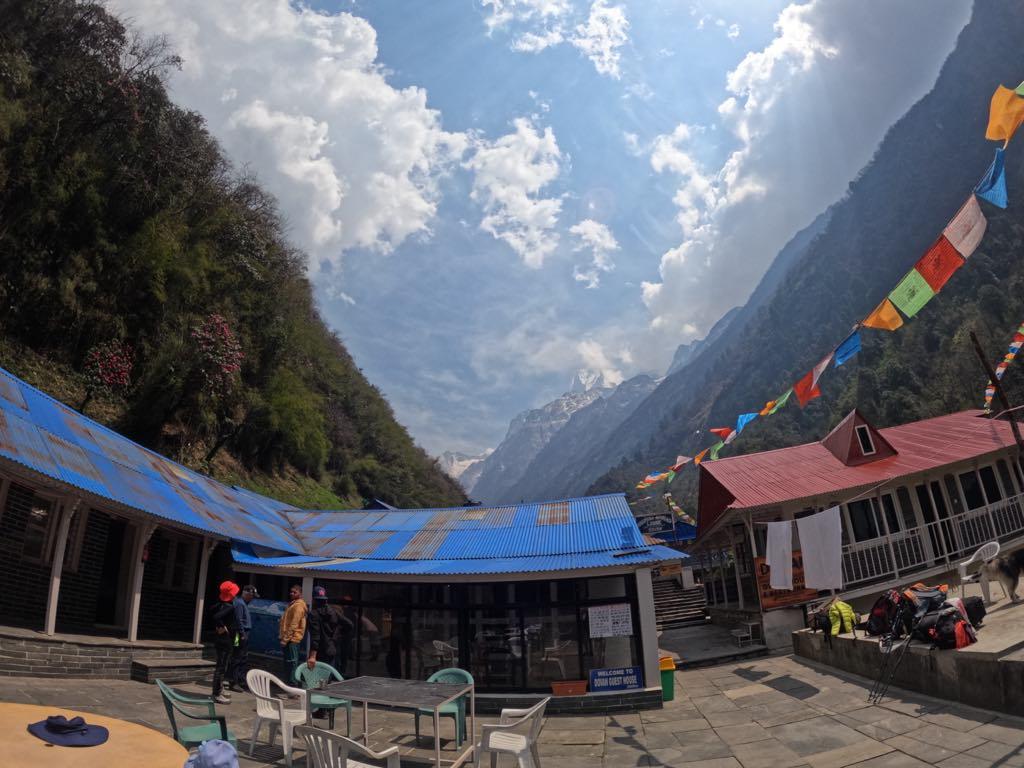
Discover the top activities, travel tips, and FAQs for an unforgettable trek to Annapurna Base Camp (ABC) in Nepal.
Best Things to Do in Annapurna Base Camp (ABC) Nepal
Annapurna Base Camp (ABC) Nepal sits at 4,130 meters inside a natural amphitheater of snow‑capped giants. The trek delivers a rare mix of high‑altitude drama, vibrant Gurung culture, and accessible tea‑house comfort, making it a bucket‑list adventure for hikers of all levels. Whether you have ten days or two weeks, the following highlights ensure you capture the essence of the Annapurna Sanctuary. In this guide you’ll discover the Best Things to Do in Annapurna Base Camp (ABC) and practical advice for a safe, memorable journey.
1. Trek to the Base Camp – The Core Experience
The classic route from Nayapul passes through rhododendron forests, terraced fields, and the bustling village of Ghandruk before climbing into the alpine zone. Each day reveals new vistas: the towering Annapurna I (8,091 m), the iconic Machhapuchhre (Fishtail), and the graceful Hiunchuli. Most itineraries allocate 7‑9 days for the round trip, allowing ample time for acclimatization and side excursions.
2. Sunrise at Annapurna Base Camp
Waking before dawn at the base camp rewards you with a golden glow spilling across the glacier‑carved bowl. The first light paints Annapurna South and the massive icefall in shades of rose and amber. Bring a headlamp, a warm layer, and a thermos of ginger tea; the temperature can drop to –10 °C even in spring.
3. Explore the Annapurna Sanctuary
The sanctuary is a glacial cirque surrounded by 7,000‑meter peaks. Short walks from the main camp lead to viewpoints such as the “Machhapuchhre Viewpoint” and the “Annapurna South Ridge”. These trails are gentle enough for a rest day yet deliver panoramic photos that rival any postcard.
4. Visit Machhapuchhre Base Camp (MBC)
A two‑hour detour from the main trail brings you to Machhapuchhre Base Camp at 3,700 m. The peak is sacred to locals and climbing is prohibited, preserving its pristine silhouette. The camp offers a quieter atmosphere, ideal for meditation or a solo sunrise session.
5. Cultural Immersion in Gurung Villages
Ghandruk, Chhomrong, and Landruk showcase traditional stone houses, intricate wood carvings, and lively festivals. Spend an evening in a family‑run tea house, share a bowl of dal‑bhat, and learn a few Gurung greetings. The cultural exchange enriches the trek beyond the physical challenge.
6. Photography Hotspots
Key frames include:
- The suspension bridge over the Modi Khola near Jhinu Danda.
- The rhododendron bloom in March‑April, turning hillsides magenta.
- The star‑filled night sky at base camp, perfect for astrophotography.
Carry a lightweight tripod and spare batteries; cold drains power quickly.
7. Acclimatization Hikes
Built‑in rest days at Chhomrong (2,170 m) and Deurali (3,200 m) let your body adjust. Use these days for short hikes to nearby viewpoints or the hot springs at Jhinu Danda. Proper acclimatization reduces the risk of altitude sickness, a common concern on the Annapurna Base Camp trek.
8. Tea House Experience
Tea houses provide simple but hearty meals—dal‑bhat, momos, and thukpa—and a chance to meet fellow trekkers. Most lodges now offer solar‑heated showers and Wi‑Fi in lower villages. Booking ahead during peak season (October‑November, March‑April) guarantees a bed.
9. Optional Side Treks
If time permits, extend the itinerary to:
- Poon Hill for a classic sunrise over Dhaulagiri and Annapurna.
- Khopra Ridge for a less‑crowded ridge walk with community‑run lodges.
- Mardi Himal for a steeper, more alpine experience.
Each side trek adds 2‑4 days and showcases different facets of the Annapurna region.
10. Responsible Trekking Practices
Leave no trace: pack out all waste, use refillable water bottles, and respect local customs. Hire a licensed guide or porter through a registered agency to support the local economy and ensure safety. Follow the “Trekking Permit” regulations (TIMS card and Annapurna Conservation Area Permit) to keep the sanctuary protected.
Travel Tips for Annapurna Base Camp (ABC) Nepal
- Best time to trek: Pre‑monsoon (March‑May) and post‑monsoon (September‑November) offer stable weather and clear skies.
- Packing essentials: Layered clothing, down jacket, waterproof shell, sturdy boots, headlamp, trekking poles, sleep‑sheet liner, and a 0 °C rated sleeping bag.
- Altitude preparation: Spend at least two nights above 3,000 m before reaching base camp; consider Diamox after consulting a doctor.
- Cash: ATMs are scarce beyond Pokhara; carry enough Nepalese rupees for tips, snacks, and emergency expenses.
- Insurance: Choose a policy covering high‑altitude trekking up to 5,000 m and helicopter evacuation.
- Connectivity: Local SIM (Ncell or Ntc) works in most villages; purchase a data pack in Pokhara.
- Health: Bring a basic first‑aid kit, water purification tablets, and any personal medication.
Frequently Asked Questions (FAQs)
Q: How difficult is the Annapurna Base Camp trek?
A: It rates as moderate. Daily walking 5‑7 hours on well‑marked trails with gradual altitude gain suits fit beginners who prepare physically.
Q: Do I need a guide?
A: Not mandatory, but a licensed guide enhances safety, cultural insight, and logistics, especially for first‑time high‑altitude trekkers.
Q: What permits are required?
A: TIMS (Trekkers’ Information Management System) card and Annapurna Conservation Area Permit (ACAP). Both are obtainable in Kathmandu or Pokhara.
Q: Can I charge devices on the trail?
A: Most tea houses have solar charging stations for a small fee. Carry a power bank for backup.
Q: Is there a risk of altitude sickness?
A: Yes, especially above 3,500 m. Ascend slowly, stay hydrated, and descend if symptoms worsen.
Q: What food options exist for vegetarians/vegans?
A: Dal‑bhat, vegetable curries, momos (veg), and thukpa are widely available. Inform the lodge owner of dietary preferences.
Q: How long does the full round‑trip take?
A: Typical itineraries range from 7 to 11 days, depending on acclimatization days and side trips.
Conclusion
Annapurna Base Camp (ABC) Nepal delivers an unforgettable blend of dramatic Himalayan scenery, rich Gurung heritage, and manageable trekking logistics. By following the highlighted activities—sunrise at the base camp, cultural nights in Ghandruk, side trips to Machhapuchhre Base Camp, and responsible trekking habits—you’ll return with stunning photos, new friendships, and a deeper appreciation for the world’s tenth‑highest mountain range. Plan your dates, secure permits, pack smart, and let the Annapurna Sanctuary write its own chapter in your travel story.