
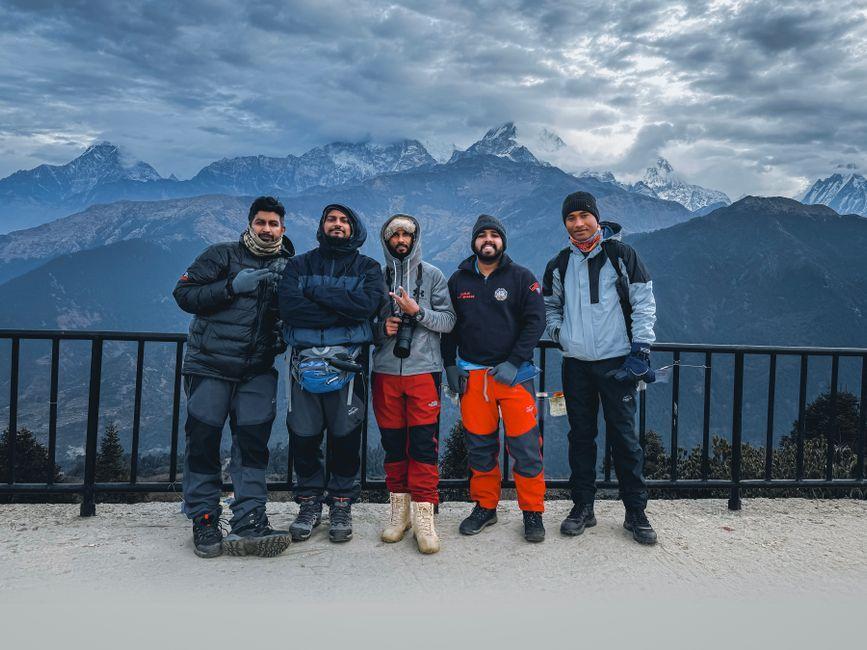
Best things to do in Ghorepani, Nepal: sunrise at Poon Hill, rhododendron forests, cultural villages, and essential trek advice.
Best Things to Do in Ghorepani
Destination: Ghorepani, Nepal
Context: Nestled in the Annapurna region of Nepal, Ghorepani is a charming hill-side village that serves as the gateway to the world-renowned Poon Hill trek. Famous for its breathtaking sunrise views over the Annapurna and Dhaulagiri ranges and vibrant rhododendron forests, it offers trekkers an unforgettable blend of natural beauty and cultural warmth. Whether youre a seasoned hiker or a first-time adventurer, Ghorepani promises a magical Himalayan experience.
Why Ghorepani Should Be on Your Nepal Itinerary
Ghorepani sits at an altitude of approximately 2870 meters (9416 feet), making it accessible yet high enough to offer spectacular Himalayan vistas. Unlike the bustling trails of Everest Base Camp, Ghorepani provides a more intimate encounter with the mountains, combined with the warm hospitality of the local Gurung and Magar communities. The village is perched on a ridgeline, offering panoramic views that change colors with the suns movement, from golden sunrise to crimson sunset. Its strategic location makes it the final major stop before the ascent to Poon Hill, and it serves as a cultural gateway where trekkers can acclimatize, refuel, and enjoy traditional Nepali cuisine before continuing their journey. The trek to Ghorepani itself is an adventure, winding through terraced farmlands, deep gorges, and rhododendron groves that burst into bloom during spring, painting the hills in vivid shades of red and pink.
Top Things to Do in Ghorepani
1. Witness the Sunrise at Poon Hill
The crown jewel of any Ghorepani visit is undoubtedly the sunrise view from Poon Hill (3210m). A short 30- to 45-minute hike from the village leads you to the summit in time for dawn. As the first rays of light pierce the horizon, the Annapurna and Dhaulagiri massifs awaken, their snow-capped peaks glowing in hues of gold, pink, and orange. The vista includes iconic mountains such as Machapuchare (Fishtail), Annapurna South, and Nilgiri. Photographers and nature lovers rise before 5 AM to secure the best spots, and the effort is handsomely rewarded with a 360-degree panorama that remains etched in memory forever.
2. Trek Through Rhododendron Forests
Ghorepani is enveloped by some of the most beautiful rhododendron forests in the Annapurna region. Between March and May, the woods explode into a spectacular display of red, pink, and white blossoms, creating a tunnel of color along the trekking trails. Even outside peak bloom season, the evergreen forests host diverse wildlife, including langur monkeys, Himalayan foxes, and a variety of pheasants. The trail from Ghorepani to Tadapani or Ghandruk meanders through these woods, offering gentle gradients and ample opportunities for birdwatching and nature photography.
3. Explore the Gurung and Magar Villages
Ghorepani is home to predominantly Gurung and Magar communities, whose cultures are deeply intertwined with the Himalayan landscape. Visitors can stroll through the village lanes, interact with locals, and learn about traditional customs, livelihoods, and folklore. Many households welcome trekkers with a cup of sweet Nepali chiya (tea) and a warm smile. You may also witness traditional dances, try on local attire, or participate in a community meal, gaining insight into the highland way of life that has remained largely unchanged for generations.
4. Visit the Ghandruk Cultural Museum
A short trek or drive from Ghorepani brings you to Ghandruk, a larger Gurung village that houses a small cultural museum. The museum showcases artifacts, weaponry, traditional clothing, and photographs that document the history and bravery of the Gurung soldiers, many of whom served in the British Gurkha regiments. Its an enriching stop that adds historical depth to your natural surroundings, and the entry fee often supports community projects.
5. Enjoy Birdwatching and Nature Walks
The Annapurna Conservation Area surrounding Ghorepani is a haven for bird enthusiasts. Keep an eye out for the impeyan pheasant (Himalayan monal), Nepals national bird, as well as sunbirds, cuckoos, and various raptors soaring over the ridgelines. Gentle nature walks from the village, especially at dawn or dusk, offer the best chances to spot these creatures in their natural habitat. The crisp mountain air and lush surroundings make every walk a rejuvenating experience.
6. Savor Local Cuisine and Nepali Tea
Ghorepanis teahouses serve some of the most comforting meals on the trail. Dal bhat (lentil soup with rice) is the staple, often accompanied by vegetable curries, achar (pickle), and sometimes meat. The energy-rich dish is perfect for trekkers needing sustained fuel. Dont miss the chance to sip freshly brewed Nepali tea, often spiced with cardamom and cinnamon, which provides warmth and a burst of flavor after a day of hiking. Many teahouses also serve momo dumplings, potato curry, and fresh fruit, depending on the season.
Best Time to Visit Ghorepani
The ideal seasons for visiting Ghorepani are spring (March to May) and autumn (September to November). Spring brings rhododendron blooms, clear skies, and moderate temperatures, making it the most popular time for the Poon Hill trek. Autumn offers crisp air, stable weather, and spectacular mountain visibility post-monsoon. Winter (December to February) sees colder temperatures, occasional snow at higher passes, and fewer crowds, which can be appealing for those seeking solitude. The monsoon months of June to August bring heavy rainfall, leeches, and obscured views, so trekking is less advisable during this period. Regardless of when you go, always check local weather forecasts and trail conditions before departure.
How to Get to Ghorepani
Most trekkers reach Ghorepani by starting from Nayapul, a roadhead town accessible by bus or private vehicle from Pokhara. The trail from Nayapul to Ghorepani typically takes 6 to 7 hours of hiking, passing through Tikhedhunga and Ulleri, with a steady uphill climb through stone steps and terraced fields. From Pokhara, daily buses and shared jeeps head to Nayapul, the common starting point for the Annapurna Circuit and Poon Hill routes. Alternatively, some travelers fly into Pokhara from Kathmandu and then take ground transport to Nayapul. For those short on time, a drive directly to Ghorepani via Besisahar is possible, though it misses the traditional trekking experience. Always arrange permits (Annapurna Conservation Area Permit and TIMS card) before setting off, which can be obtained in Kathmandu or Pokhara.
Accommodation and Dining in Ghorepani
Ghorepani offers a range of teahouses and lodges catering to different budgets. Basic teahouses provide shared rooms with communal bathrooms, hearty meals, and a cozy common area with a fireplaceideal for resting after a long trek. Mid-range lodges often feature private rooms with attached bathrooms, hot showers (solar or gas-heated), and better food variety. Luxury options are limited but include boutique lodges with panoramic windows, comfortable bedding, and delicious Nepali and continental dishes. Popular teahouses such as the Paradise Resort, Silverline Lodge, and The Good View Lodge are praised for their friendly staff, clean facilities, and spectacular mountain views from the balcony. Meals are typically served on a set menu due to supply logistics, but the quality remains consistently high, and vegetarian options are widely available.
Travel Tips for Ghorepani
- Acclimatization: Though Ghorepani is at 2870m, ascending gradually from lower elevations helps prevent altitude sickness. Stay hydrated, avoid alcohol the first night, and listen to your body.
- Gear: Pack sturdy trekking boots, warm layers for cold mornings and evenings, a reliable headlamp for the early Poon Hill start, and a waterproof jacket. Trekking poles are highly recommended for the steep stone steps.
- Permits: Carry your Annapurna Conservation Area Permit (ACAP) and Trekking Information Management System (TIMS) card at all times. Checkpoints are common, and fines apply if documents are missing.
- Cash: ATMs are unavailable in Ghorepani. Carry sufficient Nepali rupees from Pokhara or Kathmandu for accommodation, meals, and tips.
- Respect Local Customs: Dress modestly, ask permission before taking photos of people or religious sites, and greet locals with Namaste. Supporting local businesses by purchasing handicrafts or enjoying their food enriches the community.
- Environmental Responsibility: Carry a reusable water bottle, avoid single-use plastics, and dispose of waste properly. Many teahouses now offer water refill stations to reduce plastic bottle waste.
- Health Precautions: Bring a basic first-aid kit, altitude sickness medication (like Diamox after consulting a doctor), and any personal prescriptions. Mobile network coverage is limited; consider a local SIM for emergencies.
Frequently Asked Questions (FAQs)
Q: Do I need a guide to trek from Ghorepani to Poon Hill?
A: Not strictly required, as the trail is well-marked and popular. However, a local guide enhances the experience with cultural insights, navigation confidence, and emergency support, especially for first-time trekkers.
Q: Can I do the Ghorepani-Poon Hill trek in 2 days?
A: Yes. Many travelers start from Nayapul on day one, hike to Ghorepani, wake early for Poon Hill sunrise, and descend via Tadapani or Ghandruk on day two, covering the highlights in a compact itinerary.
Q: Are there ATMs or banks in Ghorepani?
A: No. There are no ATMs in or around Ghorepani. Ensure you bring enough cash from Pokhara or Kathmandu to cover your stay and trek expenses.
Q: What is the altitude of Ghorepani, and is altitude sickness a concern?
A: Ghorepani sits at 2870 meters. While altitude sickness is less common at this elevation, proper acclimatization, hydration, and a gradual ascent from lower points are still recommended.
Q: Is Ghorepani suitable for beginner trekkers?
A: Absolutely. The trek to Ghorepani from Nayapul is moderate in difficulty, with well-maintained paths and teahouse accommodations along the way, making it ideal for beginners and families with older children.
Q: Can I charge electronic devices in Ghorepani?
A: Most teahouses offer charging services for a small fee, often powered by solar panels or generators. Bring a portable power bank as backup, especially during cloudy days or peak trekking seasons.
Q: What should I pack for the rhododendron season?
A: Light layers for daytime warmth, a waterproof jacket for sudden showers, sturdy hiking boots, and a camera with extra batteries. The trails can be slippery with fallen blooms, so gaiters or careful footing are advised.
Q: Are there mobile network signals in Ghorepani?
A: Some teahouses have weak 3G or 4G coverage, but connectivity is unreliable. Dont rely on mobile networks for navigation or communication; inform someone of your itinerary before departing.
Q: Is it possible to do a day hike from Ghorepani without overnight stay?
A: Yes. You can hike to Poon Hill for sunrise and return to Ghorepani for breakfast, or explore nearby viewpoints like Poon Hill and then descend the same day. However, overnight stay is recommended to fully enjoy the sunrise experience and village culture.
Q: What permits are required for the Ghorepani-Poon Hill region?
A: You need an Annapurna Conservation Area Permit (ACAP) and a Trekking Information Management System (TIMS) card. These can be obtained in Kathmandu or Pokhara before starting the trek.
Conclusion
Ghorepani is more than just a waypoint on the Poon Hill trek; it is a destination that captivates with its natural splendor, cultural richness, and warm hospitality. From the iconic sunrise over the Annapurna and Dhaulagiri ranges to the vibrant rhododendron forests that cloak the hillsides in spring, every moment in Ghorepani feels like a brushstroke on a Himalayan canvas. Whether youre chasing sunrise panoramas, immersing yourself in Gurung traditions, or simply enjoying a hearty bowl of dal bhat by a fireplace, Ghorepani delivers an authentic and unforgettable Nepali adventure. Plan your trip with respect for the environment and local culture, and youll leave with memoriesand photos that last a lifetime.
Final Travel Tips Recap
- Always start your Poon Hill hike by 4:30 AM for the best sunrise light.
- Keep your ACAP and TIMS permits handy for checkpoint inspections.
- Use water purification tablets or a filter instead of buying bottled water.
- Respect the rhododendron forests by staying on marked trails.
- Engage with locals; their stories are as valuable as the mountains themselves.
- Book teahouse accommodations in advance during peak spring and autumn seasons.
- Carry cash, a first-aid kit, and a spirit of adventure.