
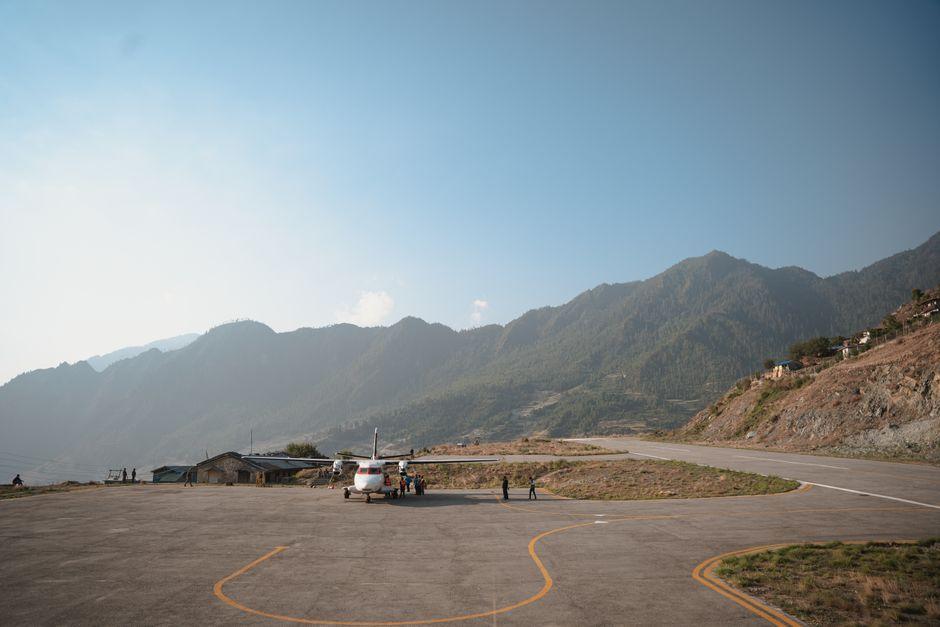
Discover the best things to do in Helambu, Nepal – from scenic treks and Sherpa monasteries to homestays and waterfalls in this accessible Himalayan valley.
Best Things to Do in Helambu
Nestled just a short drive north of Kathmandu, the Helambu region offers a refreshing escape into lush valleys, terraced hillsides, and vibrant Sherpa villages. Whether you’re seeking a short trek through pristine forest walks or an immersive dive into authentic Sherpa culture, Helambu delivers unforgettable scenery and warm hospitality. Discover why this hidden gem is quickly becoming a must‑visit destination for adventurous travelers.
Getting to Helambu
Helambu lies about 70 kilometres (43 mi) north of Kathmandu, reachable by a scenic drive along the Araniko Highway to Sundarijal, followed by a gradual ascent into the valley. Most visitors arrange a private jeep or take a local bus from Kathmandu’s Gongabu Bus Park to Sundarijal (≈1.5 hours), then hire a jeep or shared taxi to the trailhead at Sundarijal or Melamchi Gaon. The total journey typically takes 3–4 hours, depending on road conditions.
Tip: Travel during the dry season (October–May) to avoid landslides that occasionally affect the road after heavy monsoon rains.
When to Visit Helambu
| Season | Weather | Highlights |
|---|---|---|
| Spring (Mar‑May) | Mild temperatures, rhododendron blooms | Ideal for trekking; clear mountain views |
| Summer/Monsoon (Jun‑Sep) | Warm, frequent showers; trails can be slippery | Lush greenery, fewer crowds |
| Autumn (Oct‑Nov) | Cool, dry, excellent visibility | Peak trekking season; festivals like Dashain & |
| Winter (Dec‑Feb) | Cold, occasional snow at higher elevations | Quiet trails, clear vistas; need warm gear |
For the best combination of comfortable trekking conditions and cultural events, aim for late September to early November or mid‑March to May.
Top Things to Do in Helambu
1. Trek the Helambu Circuit
The Helambu Circuit is a moderate 4‑ to 5‑day trek that connects Sundarijal with Melamchi Gaon, passing through picturesque villages such as Chisapani, Kutumsang, Thadepati, and Tarke Ghyang.
- Day 1: Sundarijal → Chisapani (≈5 km, 3‑4 hrs) – ascend through pine forests, enjoy views of the Kathmandu Valley.
- Day 2: Chisapani → Kutumsang (≈7 km, 4‑5 hrs) – traverse terraced fields and rhododendron groves.
- Day 3: Kutumsang → Thadepati (≈6 km, 3‑4 hrs) – reach the highest point (~3,600 m) for panoramic vistas of Langtang Lirung and Dorje Lakpa.
- Day 4: Thadepati → Tarke Ghyang (≈5 km, 3‑4 hrs) – descend into a Sherpa village famed for its ancient monastery.
- Day 5 (optional): Tarke Ghyang → Melamchi Gaon → Sundarijal (via jeep) – complete the loop or return to Kathmandu.
The trail is well‑marked, with teahouses offering basic lodging and meals. No special permits are required for the Helambu trek, though a TIMS (Trekkers’ Information Management System) card is recommended for safety.
2. Explore Sherpa Culture and Monasteries
Helambu is home to several Sherpa communities that have preserved their traditions for centuries.
- Tarke Ghyang Monastery – a 17th‑century gompa adorned with intricate murals and prayer wheels. Visitors can observe monks chanting and participate in butter‑lamp offerings.
- Melamchi Gaon – known for its traditional Sherpa houses with carved wooden windows. Engage with locals over a cup of butter tea and learn about yak herding.
- Festivals – If your visit coincides with Losar (Tibetan New Year) or Dumje (a Sherpa harvest festival), you’ll witness masked dances, music, and communal feasts.
3. Visit Sacred Waterfalls and Lakes
- Melamchi Waterfall – a cascading plunge near Melamchi Gaon, perfect for a refreshing break and photo opportunities.
- Gosainkunda Lake – although technically just beyond Helambu’s border, many trekkers extend their route to this holy alpine lake (≈4,380 m) revered by Hindus and Buddhists alike.
- Bhairav Kund – a smaller glacial lake near Thadepati, often visited for its serene setting and sunrise views.
4. Experience Homestays and Farm Stays
For a deeper cultural immersion, opt for a homestay in villages like Kutumsang or Thadepati. Host families provide home‑cooked meals featuring dal bhat, buckwheat pancakes (dhindo), and seasonal vegetables. You can join them in daily activities such as milking yaks, weaving traditional wool, or preparing momos.
5. Mountain Biking and Nature Walks
The lower ridges around Sundarijal and Chisapani offer gentle gradients suitable for mountain biking. Several local operators rent bikes and guide riders through forested trails, past terraced farms, and alongside bubbling streams.
If you prefer a slower pace, numerous nature walks lead to hidden groves, meditation caves, and viewpoints where you can spot Himalayan monal, barking deer, and various butterfly species.
6. Photography and Sunrise Spots
Helambu’s varied topography creates dramatic light conditions. Prime sunrise locations include:
- Thadepati Ridge – 360° panorama of the Langtang and Ganesh Himal ranges.
- Tarke Ghyang Village Square – golden light illuminating prayer flags and stone houses.
- Sundarijal Viewpoint – early morning mist over the Kathmandu Valley, perfect for landscape shots.
Bring a polarizing filter to enhance sky contrast and a spare battery; cold temperatures at altitude can drain power quickly.
Practical Travel Advice
Permits and Fees
- TIMS Card – Required for all trekkers in Nepal; obtainable at the Nepal Tourism Board in Kathmandu or via trekking agencies.
- National Park Entry – Not needed for Helambu itself, but if you continue to Langtang National Park or Gosainkunda, purchase the relevant permit at the park entrance.
Health and Safety
- Altitude – The highest point on the Helambu Circuit is Thadepati (~3,600 m). Most trekkers experience mild altitude symptoms; stay hydrated, ascend gradually, and consider acetazolamide if prone to AMS.
- Water – Treat all drinking water with chlorine tablets, a filter, or boil for at least three minutes.
- Insurance – Ensure your travel insurance covers trekking up to 4,000 m and includes emergency evacuation.
- Guides and Porters – While the trek can be done independently, hiring a local guide adds cultural insight and supports the community. Porters typically carry up to 20 kg.
Gear Checklist
| Item | Reason |
|---|---|
| Sturdy trekking boots | Rocky, uneven terrain |
| Layered clothing (base, fleece, wind‑proof) | Variable temperatures |
| Sun hat, sunglasses, SPF 50+ | Strong UV at altitude |
| Headlamp + extra batteries | Early starts / tea‑house evenings |
| Trekking poles | Reduces knee strain on descents |
| Water purification tablets or filter | Safe drinking water |
| Snacks (energy bars, nuts) | Quick energy between meals |
| Basic first‑aid kit | Blisters, minor cuts |
Food and Accommodation
Teahouses along the circuit serve simple but wholesome meals: dal bhat (lentil soup with rice), Tibetan bread, noodle soups, and occasional meat dishes. Vegetarian options are abundant. Expect to pay USD 5‑8 per night for a shared room with meals.
If you prefer more comfortable lodges in Sundarijal; they offer hot shower, and Wi‑Fi at an.
Cultural experiences may include home‑cooked meals in homestays, often priced slightly higher but offering authentic flavors.
Connectivity
Mobile coverage is decent in larger villages (Kutumsang, Tarke Ghyang) via Ncell and Nepal Telecom. In more remote sections, signal may be intermittent; consider buying a local SIM card in Kathmandu before departure.
Frequently Asked Questions (FAQs)
Q1: Do I need a guide for the Helambu trek?
A: The trail is well‑marked and safe for independent trekkers with basic navigation skills. However, a guide enriches the experience with cultural stories, helps with language barriers, and supports local employment.
Q2: Is Helambu suitable for beginners?
A: Yes. The maximum altitude is moderate, daily walking distances are manageable (5‑8 km), and teahouse infrastructure reduces logistical complexity.
Q3: Can I combine Helambu with other treks?
A: Absolutely. Many trekkers extend the Helambu Circuit into the Langtang Valley or continue to Gosainkunda Lake, creating a 7‑ to 10‑day adventure.
Q4: What is the best way to avoid crowds?
A: Trek during weekdays in the shoulder seasons (early March or late November) and start early each morning to enjoy the trails before larger groups arrive.
Q5: Are there ATM or banking facilities?
A: No ATMs exist on the trail. Carry sufficient Nepali rupees (approx. USD 2‑3 k for a 5‑day trek) and exchange in Kathmandu before departure.
Q6: What wildlife might I see?
A: Look for Himalayan monal (Nepal’s national bird), red‑pawed langur, barking deer, and, if lucky, the elusive Himalayan black bear at higher elevations.
Conclusion
Helambu offers a compelling blend of accessible trekking, vibrant Sherpa culture, and tranquil natural beauty—all within a short journey from Kathmandu. Whether you’re seeking a short weekend escape, a moderate multi‑day trek, or an authentic cultural immersion, Helambu delivers unforgettable experiences without the crowds of more‑traversed regions. Pack your boots, bring an open mind, and let the terraced hills and welcoming villages of Helambu reveal why this hidden gem is fast becoming a favorite among discerning travelers to Nepal.
—
Ready to explore? Start planning your Helambu adventure today and discover the best things to do in Helambu, Nepal.