
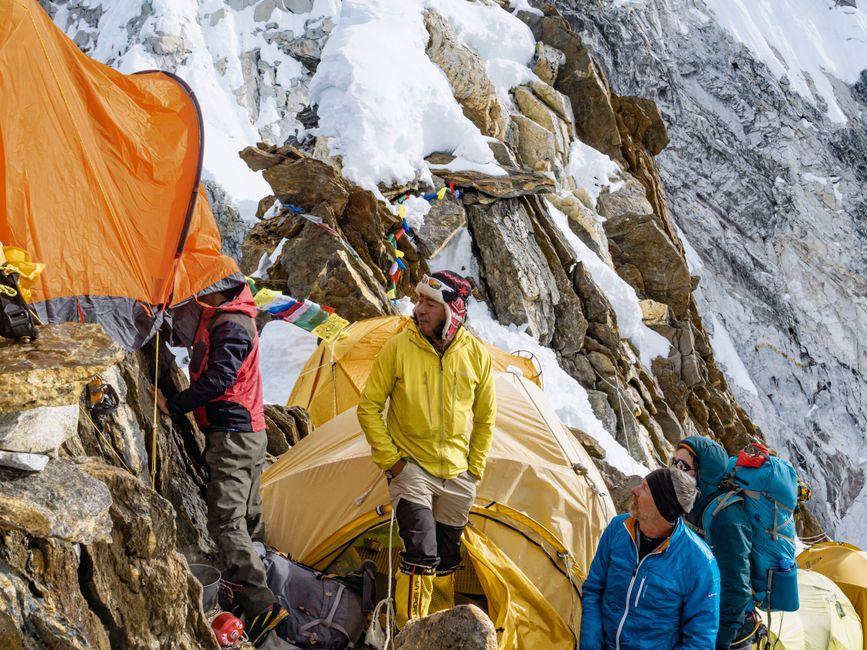
Discover the top activities, travel tips, and essential info for trekking to Kanchenjunga Base Camp – Nepal’s hidden Himalayan gem.
Best Things to Do in Kanchenjunga Base Camp
Overview of Kanchenjunga Base Camp
Nestled in the far‑eastern corner of Nepal, Kanchenjunga Base Camp sits at the foot of the world’s third‑highest mountain, Kanchenjunga (8,586 m). The trek to this remote sanctuary winds through lush rhododendron forests, alpine meadows, and high‑altitude glaciers, offering trekkers a rare glimpse of untouched Himalayan biodiversity and the vibrant cultures of the Limbu, Rai, and Sherpa peoples. Because the region sees far fewer visitors than the Everest or Annapurna circuits, the trails feel pristine, and the sense of isolation adds to the adventure.
Getting There
Most trekkers fly from Kathmandu to Biratnagar (≈45 minutes) and then take a domestic flight to Suketar (Taplejung) Airport. From Suketar, a jeep ride brings you to the trailhead at Mitlung or Phunki, depending on whether you choose the north or south approach. The journey itself is part of the experience: winding mountain roads, terraced fields, and glimpses of distant snow‑capped peaks.
Best Time to Visit
The optimal trekking windows are pre‑monsoon (late March to early June) and post‑monsoon (late September to November). During these periods, skies are clear, temperatures are moderate, and the rhododendron blooms (March‑April) paint the hillsides in brilliant reds, pinks, and whites. Winter brings heavy snow and limited lodge availability, while the monsoon (June‑August) makes trails slippery and leech‑infested.
Top Activities
1. Trek to Kanchenjunga Base Camp (North and South)
The classic trek can be undertaken via the north base camp (Pangpema) or the south base camp (Oktang). Both routes converge at the iconic viewpoint of Kanchenjunga’s massive south face. The north route offers dramatic views of the Yalung Glacier and the stark beauty of the Kanchenjunga South Face, while the south route winds through the verdant Kanchenjunga Conservation Area, passing through traditional villages and dense forests.
2. Explore the Rhododendron Forests
Lower elevations (1,500‑2,500 m) host some of Nepal’s most spectacular rhododendron forests. In spring, the canopy erupts in color, creating tunnels of blossoms that are a photographer’s dream. Trails such as the Ghunsa‑Kambachen segment are lined with these trees, providing shade and a fragrant trekking experience.
3. Wildlife Spotting
Kanchenjunga Conservation Area is a haven for elusive fauna. Keep an eye out for the Himalayan black bear, red panda, snow leopard (though sightings are extremely rare), and the Himalayan tahr. Birdwatchers can spot the impeyan pheasant, blood pheasant, and various species of laughingthrush and flycatcher.
4. Visit Traditional Villages
Scattered along the trail are settlements like Ghunsa, Kambachen, Lhonak, and Yamphudin. Here you can observe Limbu and Rai architecture, sample local dishes such as gundruk (fermented leafy greens) and dhido (buckwheat porridge), and participate in festivals if your timing aligns. Homestays offer an authentic glimpse into daily life and provide valuable cultural exchange.
5. High‑Altitude Lakes and Glaciers
At higher altitudes, glacial lakes such as the Kanchenjunga Glacier Lake (near Pangpema) mirror the surrounding peaks. The Yalung Glacier, one of the largest in the region, offers a dramatic landscape of crevasses and ice seracs. Trekkers often pause here for reflection, photography, and a sense of awe at the scale of ice.
6. Photography Opportunities
From sunrise over the Kanchenjunga massif to macro shots of rhododendron petals, the region provides endless photographic subjects. Early morning light bathes the peaks in alpenglow, while night skies are remarkably clear, perfect for astrophotography. Bring a sturdy tripod, extra batteries (cold drains them fast), and lens cloths for dew.
7. Cultural Experiences with Limbu and Rai Communities
Engage with local communities through cultural shows, traditional dance performances, and handicraft workshops. Many villages offer weaving demonstrations where you can see the intricate patterns of Limbu textiles. Participating in a community‑led clean‑up trek not only supports conservation but also fosters goodwill.
8. Meditation and Yoga Retreats
The serene environment makes Kanchenjunga an ideal spot for mindfulness practices. Several eco‑lodges and community centers organize short yoga and meditation sessions at sunrise, allowing trekkers to synchronize breath with the mountain’s rhythm.
Practical Travel Advice
Permits and Regulations
Trekkers need a Kanchenjunga Conservation Area Permit (KCAP) and a Trekkers’ Information Management System (TIMS) card. Both can be obtained in Kathmandu or through a registered trekking agency. Since the region is restricted, you must travel with a licensed guide and a minimum group size of two.
Gear and Packing List
- Clothing: Layered system – base layers, insulating fleece, down jacket, waterproof shell.
- Footwear: Sturdy trekking boots with good ankle support; gaiters for snow.
- Accessories: UV‑blocking sunglasses, sun hat, warm gloves, balaclava, scarf.
- Equipment: Trekking poles, headlamp with extra batteries, water purification tablets or filter, first‑aid kit, multi‑tool.
- Miscellaneous: Snacks (energy bars, nuts), sunscreen (SPF 50+), lip balm, camera gear, power bank, travel insurance documents.
Acclimatization Tips
Ascend gradually; follow the “climb high, sleep low” principle. Spend an extra night at Ghunsa (≈3,500 m) before pushing to higher camps. Hydrate well (3‑4 L/day) and avoid alcohol. If symptoms of altitude sickness appear (headache, nausea, dizziness), descend immediately.
Health and Safety
- Carry a basic medical kit (Diamox for altitude, anti‑diarrheal, rehydration salts).
- Ensure your travel insurance covers high‑altitude trekking and emergency evacuation.
- Stay on marked trails to avoid crevasse hazards on glaciers.
- Respect wildlife: keep distance, do not feed animals.
Responsible Trekking
- Pack out all non‑biodegradable waste.
- Use biodegradable soap and minimize detergent use.
- Support local economies by staying in community‑run lodges and hiring local guides/porters.
- Follow the Leave No Trace principles.
FAQs
Q: How difficult is the Kanchenjunga Base Camp trek?
A: It is considered a strenuous trek due to long daily walks (6‑8 hours), high altitude (up to 5,140 m at Pangpema), and remote terrain. Prior trekking experience and good fitness are recommended.
Q: Do I need a guide?
A: Yes. The region is a restricted area; a licensed guide is mandatory, and you must trek in a group of at least two.
Q: What is the altitude of Kanchenjunga Base Camp?
A: The north base camp (Pangpema) sits at approximately 5,140 m, while the south base camp (Oktang) is around 4,730 m.
Q: Are there ATM or banking facilities on the trail?
A: No. Carry sufficient Nepali rupees for the entire trek; you can exchange money in Kathmandu or Biratnagar before departure.
Q: Can I trek independently without a porter?
A: While possible, hiring a porter is strongly advised to carry gear, especially given the length and weight of supplies needed for high‑altitude camping.
Q: What is the typical duration of the trek?
A: Most itineraries range from 20 to 25 days, including travel to/from the trailhead and acclimatization days.
Q: Is mobile phone coverage available?
A: Coverage is spotty and generally limited to larger villages like Ghunsa and Suketar. Satellite phones are recommended for emergency communication.
Travel Tips (Quick Checklist)
- Book flights and permits at least 2‑3 months in advance.
- Pack layers; temperatures can drop below ‑10 °C at night even in spring.
- Carry a reusable water bottle and refill at safe sources.
- Learn a few basic Limbu or Rai greetings – a smile and “Namaste” go a long way.
- Start each day early to maximize daylight and avoid afternoon clouds.
- Keep a journal; the experience is unforgettable.
- Respect local customs: remove shoes before entering homes, ask before photographing people.
- Have a flexible itinerary; weather can change rapidly in the mountains.
Conclusion
Kanchenjunga Base Camp offers a trek that is as much about inner journey as it is about summit views. The combination of dramatic landscapes, vibrant flora and fauna, and the warm hospitality of eastern Nepal’s indigenous communities creates an experience that lingers long after you leave the trails. Whether you’re seeking solitude amidst towering peaks, hoping to capture the perfect sunrise over Kanchenjunga, or eager to immerse yourself in ancient mountain cultures, this remote corner of the Himalayas delivers adventure in its purest form. Prepare well, travel responsibly, and let the majesty of the world’s third‑highest peak inspire your next great trek.