Discover the top attractions, spiritual activities, travel tips, and a 2-day itinerary for Lumbini Nepal, the Buddha's birthplace.
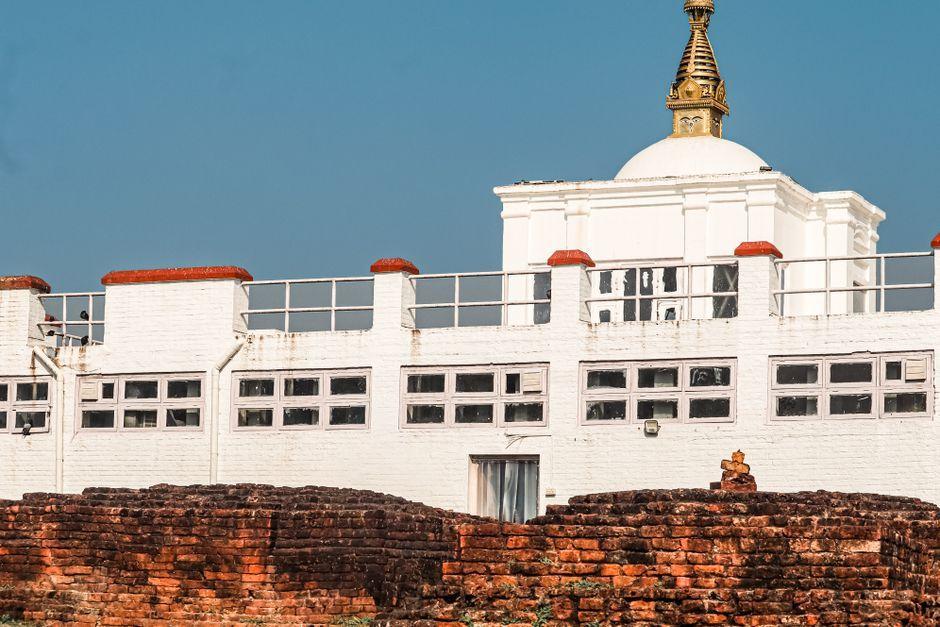
Best Things to Do in Lumbini: A Complete Travel Guide\n\nLumbini Nepal is not just a dot on the map; it is the spiritual heart where Prince Siddhartha Gautama took his first breath over two millennia ago. As a UNESCO World Heritage Site, the sacred garden draws pilgrims, history buffs, and curious travelers alike. Whether you seek quiet meditation beneath the Bodhi tree or a deep dive into ancient archaeology, this guide covers the best things to do in Lumbini so you can plan a meaningful journey.\n\n## Why Visit Lumbini Nepal?\n\nLumbini sits in the Rupandehi District of southern Nepal, close to the Indian border. The site spreads across 4.8 square kilometres of gardens, monasteries, and museums. Its universal value lies in the convergence of faith, history, and architecture. Visitors experience a palpable sense of peace while walking the same paths once trodden by the Buddha.\n\n## Top Attractions: Best Things to Do in Lumbini\n\n### 1. Maya Devi Temple\nThe centrepiece of the complex, Maya Devi Temple marks the exact spot of the Buddha's birth. Inside, the marker stone and the nativity sculpture are revered by devotees. Early morning light filters through the prayer flags, creating a serene atmosphere for reflection.\n\n### 2. Sacred Garden & Pushkarini Pond\nSurrounding the temple, the Sacred Garden contains the Ashoka Pillar, erected by Emperor Ashoka in 249 BCE, and the sacred Pushkarini pond where Queen Maya Devi is said to have bathed. Strolling the shaded pathways offers a living timeline of Buddhist heritage.\n\n### 3. Ashoka Pillar\nInscribed with Brahmi script, the pillar confirms Lumbini as the birthplace. The pillar stands 6.7 metres tall and is a favourite photo spot for travelers documenting their pilgrimage.\n\n### 4. Monastic Zone\nDivided into an eastern Theravada section and a western Mahayana/Vajrayana section, the Monastic Zone hosts over 30 monasteries built by Buddhist communities from around the world. Each monastery showcases unique architectural styles - from Thai teak roofs to Tibetan prayer wheels.\n\n### 5. Lumbini Museum\nThe museum houses artefacts, photographs, and manuscripts that trace the spread of Buddhism from Lumbini to the rest of Asia. Interactive displays make the history accessible for all ages.\n\n### 6. World Peace Pagoda\nBuilt by Japanese Buddhists, the white stupa dominates the skyline. Climbing its steps rewards you with panoramic views of the entire complex and the surrounding plains.\n\n### 7. Eternal Peace Flame\nA constantly burning flame symbolises the enduring wish for world peace. It is a quiet spot for a moment of silent prayer.\n\n## Spiritual Experiences & Activities\n\n- Guided Meditation Sessions - Many monasteries offer daily meditation led by resident monks. No prior experience is needed.\n- Pilgrimage Walk - Follow the 2.5 km circuit that links the major shrines, allowing you to absorb the sacred geography at a gentle pace.\n- Chanting & Prayer Ceremonies - Join evening pujas at the Thai or Korean monasteries for an immersive auditory experience.\n- Photography Walks - Early morning and late afternoon light accentuates the stupas, prayer flags, and reflective ponds.\n\n## Practical Travel Advice\n\n### Getting There\n- By Air - Fly into Gautam Buddha Airport (Bhairahawa), 22 km from Lumbini. Domestic flights from Kathmandu take 35 minutes.\n- By Road - Tourist buses and private taxis run from Kathmandu (approx. 7-8 hours) and Pokhara (5-6 hours). The highway is well-maintained but can be congested during festival seasons.\n\n### Best Time to Visit\nOctober to March offers cool, dry weather ideal for outdoor exploration. April-June can be hot, while July-September brings monsoon rains that may limit access to some garden areas.\n\n### Accommodation\nOptions range from budget guesthouses near the main gate to mid-range hotels in Bhairahawa and luxury resorts within the monastic zone. Booking ahead during major Buddhist festivals (Vesak, Lhabab Duchen) is advisable.\n\n### Entry Fees & Permits\n- Foreign nationals: NPR 1,000 (approx. USD 7.5) for the main site.\n- SAARC nationals: NPR 200.\n- Students with ID: NPR 100.\nTickets are purchased at the entrance gate; keep the receipt for re-entry.\n\n### Dress Code & Etiquette\n- Shoulders and knees must be covered.\n- Remove shoes before entering temples and monasteries.\n- Speak softly; photography is allowed but flash is discouraged inside shrines.\n\n## Sample 2-Day Itinerary\n\n**Day 1**\n- 06:30 - Arrive, check-in, light breakfast.\n- 07:30 - Visit Maya Devi Temple and Sacred Garden.\n- 10:00 - Explore Monastic Zone (eastern side).\n- 12:30 - Lunch at a local vegetarian restaurant.\n- 13:30 - Lumbini Museum.\n- 15:30 - World Peace Pagoda, sunset views.\n- 18:30 - Evening puja at a nearby monastery.\n\n**Day 2**\n- 06:00 - Guided meditation session.\n- 07:30 - Walk the pilgrimage circuit.\n- 09:30 - Visit western monastic zone (Tibetan, Korean, Vietnamese temples).\n- 11:30 - Pushkarini Pond, quiet reflection.\n- 12:30 - Lunch, then depart.\n\n## Food & Dining\n\nLumbini's culinary scene leans vegetarian. Try dal bhat (rice, lentils, seasonal vegetables), momo (steamed dumplings), and thukpa (noodle soup). Many monasteries serve free community meals (langar) to visitors - an excellent way to experience Buddhist hospitality.\n\n## Travel Tips for Lumbini Nepal\n\n1. Carry a reusable water bottle; refill stations are available near the main gate.\n2. Purchase a local SIM (Ncell or Ntc) for cheap data; coverage is reliable.\n3. Hire a bicycle or e-rickshaw to cover the large area efficiently.\n4. Respect monastic schedules - some temples close for lunch between 12:00-13:00.\n5. Keep a small donation (NPR 50-100) for monasteries that offer free meditation.\n6. Learn a few Nepali greetings: Namaste (hello), Dhanyabad (thank you).\n\n## FAQs\n\n**Q: Is Lumbini Nepal wheelchair accessible?**\nA: The main pathways around Maya Devi Temple and the Sacred Garden are paved and suitable for wheelchairs. Some older monasteries have steps; check ahead.\n\n**Q: Can I stay overnight inside the monastic zone?**\nA: Yes, several monasteries provide simple guest rooms for pilgrims. Advance reservation is required.\n\n**Q: Are there ATMs in Lumbini?**\nA: ATMs are available in Bhairahawa (about 20 minutes by taxi). Carry enough cash for entry fees and small purchases.\n\n**Q: What language do guides speak?**\nA: English, Hindi, and Nepali are common. Many monasteries also have monks fluent in Chinese, Thai, or Korean.\n\n**Q: Is photography allowed everywhere?**\nA: Photography is permitted in open areas. Inside the inner sanctum of Maya Devi Temple flash and tripods are prohibited.\n\n## Conclusion\n\nLumbini Nepal offers a rare blend of profound spirituality, living history, and tranquil landscapes. By following the best things to do in Lumbini outlined above - from the sacred birthplace at Maya Devi Temple to the international monastic architecture - you will leave with a deeper understanding of Buddhism's origins and a sense of inner calm that lingers long after the journey ends. Pack your curiosity, respect the customs, and let the birthplace of the Buddha inspire your next chapter.