Discover the top adventures in Solukhumbhu (Everest Region) Nepal, from Everest Base Camp trekking to Sherpa culture and hidden gems.
Best Things to Do in Solukhumbhu (Everest Region)
Solukhumbhu (Everest Region) Nepal is a magnet for adventurers seeking high‑altitude scenery, rich Sherpa heritage, and the iconic trek to Everest Base Camp. This guide unpacks the Best Things to Do in Solukhumbhu (Everest Region) so you can plan a journey that balances challenge, culture, and unforgettable vistas.
Why Solukhumbhu (Everest Region) Nepal Is a Trekker's Dream
The region stretches from the bustling hub of Lukla to the glacial shores of Gokyo, offering a corridor of towering peaks, suspension bridges, and ancient monasteries. Trekkers gain altitude gradually, allowing acclimatisation while soaking in panoramic views of Ama Dablam, Lhotse, and the mighty Everest itself. The well‑established tea‑house network makes multi‑day hikes accessible to a wide range of fitness levels.
Top Adventures in the Everest Region
1 Trek to Everest Base Camp
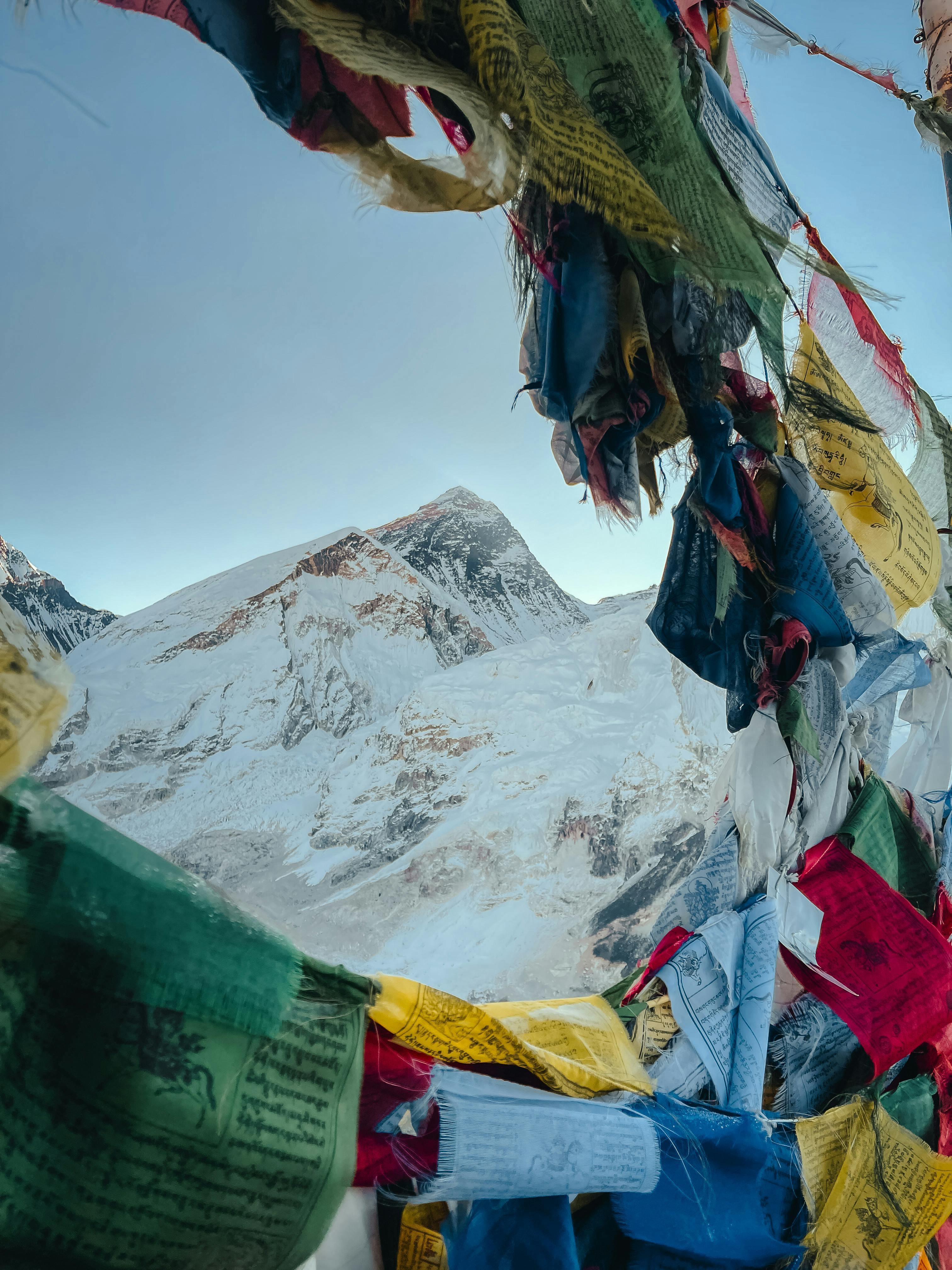
The classic Everest Base Camp trek remains the crown jewel of Solukhumbhu (Everest Region) Nepal. Starting from Lukla, the route follows the Dudh Koshi valley through Phakding, Namche Bazaar, Tengboche, Dingboche, and Lobuche before reaching the base camp at 5,364 metres. Along the way you cross iconic suspension bridges, walk beside turquoise glacial rivers, and sleep in cozy tea houses that serve dal bhat and hot tea. Acclimatisation days in Namche and Dingboche are essential to reduce altitude sickness risk.
2 Explore Namche Bazaar
Namche Bazaar, perched at 3,440 metres, is the cultural and commercial heart of the Khumbu. Its winding alleys host bakeries, gear shops, and a weekly Saturday market where locals trade yak cheese, handicrafts, and fresh produce. A short hike to the Everest View Hotel rewards you with sunrise over Everest, Lhotse, and Ama Dablam without the need for a full summit push.
3 Visit Tengboche Monastery
Tengboche Monastery sits at 3,867 metres and is the spiritual centre for Sherpa Buddhists. The main prayer hall houses a towering statue of Guru Rinpoche and intricate thangka paintings. Visitors can join the evening puja, hear the resonant chant of monks, and capture the monastery framed by the jagged peaks of Ama Dablam.
4 Hike to Gokyo Lakes
For a quieter alternative, the Gokyo Lakes trek branches off from Namche and leads to a chain of six turquoise lakes at 4,700‑5,000 metres. The highlight is Gokyo Ri (5,357 metres), offering a 360‑degree panorama that many argue surpasses the view from Kala Patthar. The route also crosses the Ngozumpa Glacier, the longest glacier in the Himalaya.
5 Experience Sherpa Culture
Sherpa hospitality defines the Everest experience. Stay in family‑run lodges, learn to butter tea, and attend a traditional dance performance in villages like Khumjung or Thame. Visiting the Sir Edmund Hillary School in Khumjung provides insight into the community’s commitment to education and environmental stewardship.
6 Scenic Flights and Helicopter Tours
If time is limited, a 30‑minute mountain flight from Kathmandu or a helicopter drop‑off at Everest Base Camp delivers aerial perspectives of the Khumbu Icefall, the Western Cwm, and the summit ridge. These options are popular for photographers and those wanting a taste of the Himalaya without a multi‑week trek.
Practical Travel Advice for Solukhumbhu (Everest Region) Nepal
Permits: Obtain a TIMS card and Sagarmatha National Park entry permit in Kathmandu or Lukla. Carry multiple photocopies.
Acclimatisation: Follow the climb high sleep low rule; spend at least two nights in Namche and one in Dingboche.
Gear: Layered clothing, a four‑season sleeping bag, sturdy trekking boots, and a reliable headlamp are non‑negotiable.
Health: Carry a basic medical kit, water‑purification tablets, and consider a portable altitude‑sickness medication after consulting a physician.
Connectivity: Wi‑Fi is available in most tea houses but can be slow; a local SIM with data works in Lukla and Namche.
Frequently Asked Questions
What is the best time to visit?
The pre‑monsoon window (late March to May) and post‑monsoon window (late September to November) offer stable weather, clear skies, and moderate temperatures.
Do I need a guide for Everest Base Camp?
While independent trekking is legal, a licensed guide enhances safety, handles logistics, and provides cultural context. Many trekkers hire a guide‑porter team for a balanced experience.
How do I obtain the TIMS card and Sagarmatha National Park permit?
Both can be arranged through a registered trekking agency in Kathmandu or directly at the Nepal Tourism Board office. Online pre‑application speeds up the process.
Travel Tips for a Smooth Journey
- Pack light but warm; weight limits on Lukla flights are strict.
- Carry cash in small denominations; ATMs are scarce above Namche.
- Respect local customs: remove shoes inside monasteries, ask before photographing people.
- Stay hydrated; drink at least three litres of water daily at altitude.
- Keep a flexible itinerary; weather can delay flights from Lukla for days.
Conclusion
Solukhumbhu (Everest Region) Nepal delivers an adventure portfolio that few destinations can match. Whether you chase the legendary Everest Base Camp trek, wander the vibrant lanes of Namche Bazaar, or find serenity beside the Gokyo Lakes, each experience stitches together natural grandeur and Sherpa spirit. Use this guide to craft an itinerary that fits your timeline, fitness, and curiosity, and you will return home with stories that echo the roar of the Himalaya.