
Discover the magic of Swayambhunath Stupa Nepal. Our guide covers the best things to do, travel tips, and essential advice for visiting the iconic Monkey Tem...
Best Things to Do in Swayambhunath Stupa: A Complete Guide to the Monkey Temple
Discover the spiritual essence of Kathmandu with our ultimate guide to the Swayambhunath Stupa Nepal. Whether you are a devout Buddhist, a curious historian, or a photography enthusiast, this ancient site offers an experience unlike any other.
Introduction: The Mystical Charm of the Monkey Temple
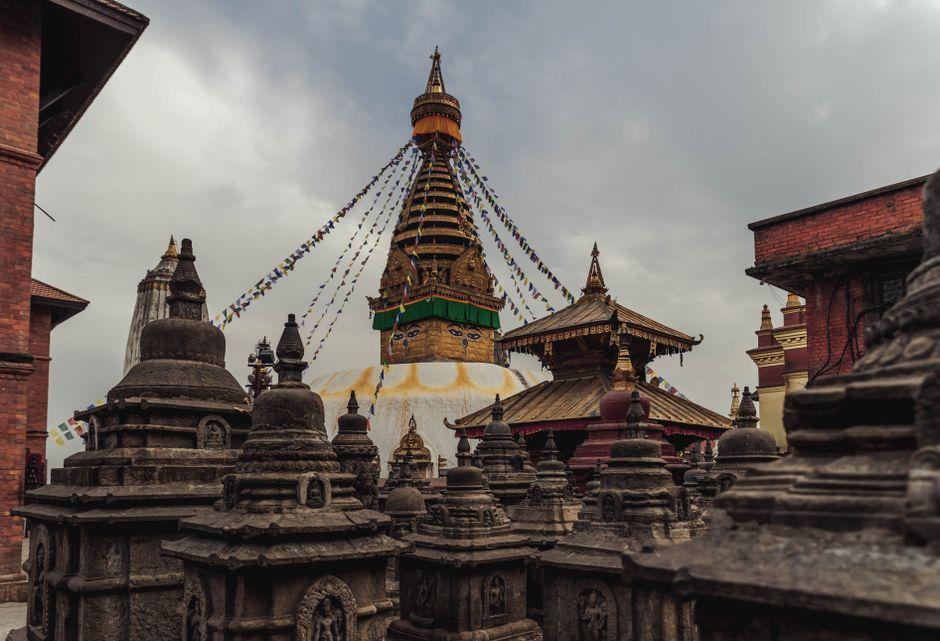
Perched majestically on a hilltop overlooking the Kathmandu Valley, the Swayambhunath Stupa—affectionately known as the 'Monkey Temple'—stands as one of the most iconic symbols of Nepal. This UNESCO World Heritage site is not just a religious landmark; it is a spiritual heartbeat that has pulsed through the valley for over a thousand years.
As you climb the iconic 365 steps, the chaotic energy of Kathmandu begins to fade, replaced by the rhythmic chanting of monks, the gentle fluttering of prayer flags, and the scent of burning incense. This guide explores the best things to do in Swayambhunath Stupa, helping you navigate this sacred labyrinth with ease and reverence.
The Spiritual Heart: Understanding Swayambhunath Stupa Nepal
Before diving into the activities, it is essential to understand the significance of this site. Swayambhunath is a complex of stupas, shrines, and monasteries. According to legend, the valley was once a vast lake, and the stupa marks the spot where a lotus flower bloomed, signifying the divine presence of the Buddha.
The Architecture and Symbolism
The stupa itself is a masterclass in Buddhist iconography. The whitewashed dome represents the earth, while the gilded spire reaching towards the heavens symbolizes the path to enlightenment. The 'eyes' painted on the four sides of the spire represent the wisdom of the Buddha, watching over all directions.
Best Things to Do in Swayambhunath Stupa
To truly experience Swayambhunath, you must move beyond a simple walk-through. Here are the top activities to enhance your visit.
1. Witness the Sacred Rituals
One of the most profound experiences is observing the morning or evening puja (worship). As the sun rises, you will see locals and monks circumambulating (walking around) the stupa in a clockwise direction. The sight of colorful butter lamps being lit creates a mesmerizing atmosphere that bridges the gap between the earthly and the divine.
2. Photography and Golden Hour Views
For photographers, Swayambhunath is a goldmine. The best time to visit is during the 'Golden Hour'—either just after sunrise or shortly before sunset. During these times, the golden spire glows against the sky, and the lights of the Kathmandu Valley begin to twinkle below. The panoramic views of the city are unparalleled.
3. Explore the Surrounding Monasteries
Don't just stick to the main stupa. The complex is filled with smaller shrines, Tibetan Buddhist monasteries, and ancient statues. Take the time to wander through the stone-paved paths. Many of these smaller shrines are dedicated to different deities and offer quiet spots for meditation.
4. Encounter the Resident Macaques
True to its nickname, the 'Monkey Temple' is home to a large population of monkeys (macaques). While they are a part of the site's charm, visitors should be cautious. They are playful but can be cheeky if they spot food! They add a sense of lively energy to the sacred site.
5. Meditation and Spiritual Reflection
If you are seeking peace, find a quiet corner away from the main path. The energy at Swayambhunath is palpably tranquil. Many travelers find that sitting in silence amidst the spinning prayer wheels helps them achieve a sense of mental clarity.
Practical Travel Advice for Visitors
To ensure your trip to Swayambhunath Stupa Nepal is smooth, keep these tips in mind:
When to Visit
- Best Time of Year: The post-monsoon (September to November) and pre-monsoon (March to May) seasons offer the clearest skies and most pleasant weather.
- Avoid Crowds: If you want a peaceful experience, arrive early in the morning (around 6:00 AM) or visit late in the afternoon.
How to Get There
- By Taxi/Rickshaw: This is the easiest way. Most hotels in Kathmandu can arrange a taxi to the base of the hill.
- On Foot: If you are staying in areas like Thamel or Patan, it is a scenic (though steep) walk to the base of the stupa.
Respectful Etiquette
- Dress Appropriately: Since this is a sacred site, ensure your shoulders and knees are covered.
- Circumambulate Clockwise: Always walk around the stupa and religious monuments in a clockwise direction.
- No Meat or Alcohol: While it is a public site, it is respectful to avoid consuming alcohol or meat in the immediate vicinity of the stupa.
Essential Travel Tips
- Wear Comfortable Shoes: You will be climbing many stairs and walking on uneven stone surfaces. Sturdy walking shoes are a must.
- Carry Small Change: You may want to offer small donations at the shrines or buy incense.
- Stay Hydrated: The climb can be strenuous, especially in the midday heat.
- Watch Your Belongings: As with any crowded tourist destination, keep a close eye on your bags, especially around the monkeys.
- Learning Basic Nepali: A simple "Namaste" goes a long way in connecting with the locals.
FAQs: Frequently Asked Questions
Q: Is there an entrance fee for Swayambhunath Stupa?
A: There is typically a small entrance fee for foreign tourists to enter the complex. Local residents usually enter for free.
Q: Is it safe to visit the Monkey Temple?
A: Yes, it is generally very safe. However, be mindful of the monkeys; do not stare at them directly or carry visible food in your hands, as they can become aggressive to get it.
Q: Is the climb to the top difficult?
A: It involves 365 steps. While it is manageable for most with a reasonable level of fitness, it can be tiring. There are also paths that allow for a slightly easier ascent.
Q: Are there vegetarian options nearby?
A: Yes, many cafes in the surrounding hills and at the base of the stupa offer delicious vegetarian and vegan meals, reflecting the local dietary culture.
Conclusion: A Journey for the Soul
Swayambhunath Stupa is more than just a landmark; it is a testament to the enduring spirituality of Nepal. From its breathtaking views of the Kathmandu Valley to the profound peace found within its shrines, it offers something for every traveler. Whether you come to study its history, photograph its beauty, or find spiritual solace, Swayambhunath Stupa Nepal is a destination that will leave a lasting impression on your heart.
Plan your visit carefully, respect the local traditions, and prepare to be awestruck by the magic of this ancient hill-top sanctuary.