
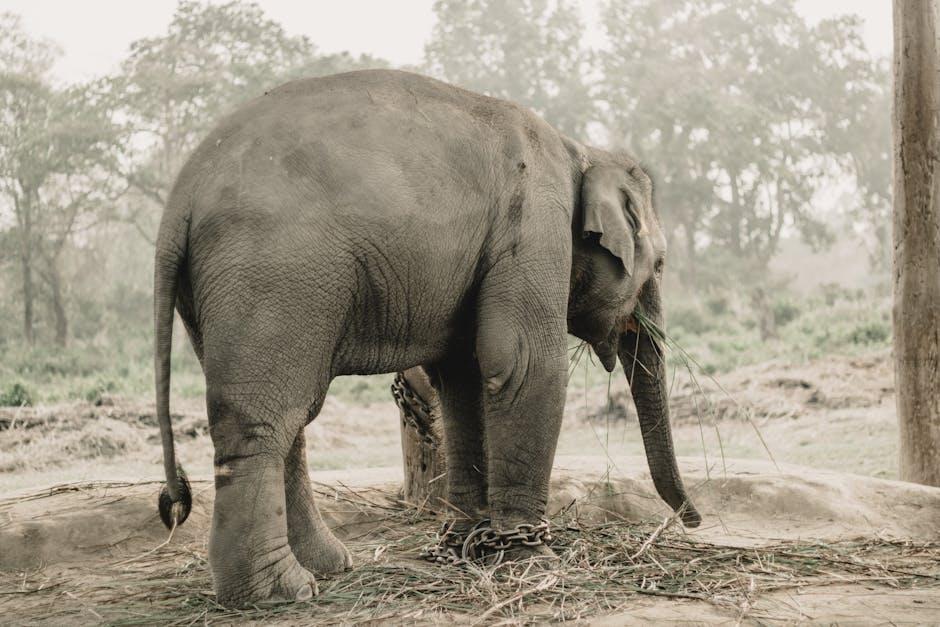
Discover the best times to visit Chitwan National Park, Nepal, for wildlife encounters, culture, and unforgettable experiences.
Best Time to Visit Chitwan National Park
Introduction
Nestled in the lowland Terai region of Nepal, Chitwan National Park is a UNESCO World Heritage site that teems with diverse wildlife and lush scenery. Spanning over 932 square kilometers, this beautiful national park is not only a sanctuary for a variety of flora and fauna but also a prime destination for adventure seekers and nature lovers. From thrilling jungle safaris to serene bird-watching experiences, Chitwan offers something for everyone. One of the most frequently asked questions by tourists is about the best time to visit Chitwan National Park. This guide will help you determine the ideal periods for exploring this enchanting destination.
Why Visit Chitwan National Park?
Chitwan National Park is renowned for its rich biodiversity, featuring rare and endangered species like the one-horned rhinoceros and the royal Bengal tiger. The park is equally famous for its vibrant bird populations, boasting over 500 species, making it a birdwatcher’s paradise. Whether embarking on guided jungle safaris, canoeing on the park's rivers, or immersing yourself in the local culture, Chitwan offers unique experiences that leave lasting memories.
Understanding the Seasons
Chitwan’s climate can be categorized into four primary seasons: Winter, Spring, Monsoon, and Summer. Each season brings distinct weather patterns and experiences, and understanding these can significantly enhance your visit.
1. Winter (December to February)
- Temperature: 7°C to 20°C (45°F to 68°F)
- Best for: Wildlife viewing, photography, and comfort
Winter is often regarded as the best time to visit Chitwan National Park. The cool weather ensures a comfortable stay while going on wildlife excursions. The clear skies make for perfect photography. Additionally, during this time, animals are more active and visible, making it easier to spot the elusive tiger and the mighty rhinoceros.
2. Spring (March to May)
- Temperature: 12°C to 35°C (54°F to 95°F)
- Best for: Flora, bird watching, and adventure activities
Spring ushers in warmer temperatures, which can lead to vibrant wildflowers blooming across the landscape. This is the time when migratory birds return, adding to the park's bird species. The wildlife encounters remain excellent, but as temperatures rise, some animals may be less visible during peak heat hours. Early morning and late evening safaris are particularly rewarding.
3. Monsoon (June to August)
- Temperature: 22°C to 30°C (72°F to 86°F)
- Best for: Lush landscapes
The monsoon season brings heavy rainfall and can lead to increased humidity. While the park's lush greenery becomes intoxicatingly beautiful, access may be limited due to muddy trails and river swelling. Wildlife sighting is challenging, as many animals seek shaded areas. However, if you prefer solitude and don’t mind the rain, this off-season holds its own charm.
4. Summer (September to November)
- Temperature: 15°C to 30°C (59°F to 86°F)
- Best for: Warm weather and wildlife spotting
As the rainy season ends, Chitwan transforms again. The refreshing atmosphere post-monsoon brings excellent wildlife viewing opportunities. Animals are drawn to the park’s lush vegetation for grazing. The weather is generally mild, creating another peak season for visitors wishing for sunny weather and thriving wildlife.
Wildlife Viewing Tips
- Best Times to Visit: Early morning and late afternoon are optimal for spotting wildlife.
- Guided Safaris: Hiring trained guides can enhance your experience; they know the best spots and times for wildlife sightings.
- Stay Quiet: Maintain a low profile, as loud noises may scare animals away.
Cultural Experiences in Chitwan
Chitwan is not just about wildlife; immerse yourself in the rich cultural heritage of the Tharu people indigenous to this area. Engage in local crafts, enjoy traditional Tharu dance performances, and savor the local cuisine. Many community-based tours offer a chance to experience the everyday life of the Tharu community.
Practical Travel Tips
- Health Precautions: Consult your healthcare provider about vaccinations and malaria prevention before heading to Chitwan.
- Travel Insurance: It’s advisable to secure travel insurance, especially if you plan to partake in adventure activities.
- Stay Hydrated and Protected: Bring water bottles and sunscreen since you’ll spend extended hours outdoors.
- Photography: Pack a good camera; the scenery and wildlife of Chitwan National Park deserve to be captured.
Frequently Asked Questions (FAQs)
Q1: What is the entrance fee for Chitwan National Park?
A1: The entrance fee varies depending on nationality and activity, typically around NPR 1,500 for SAARC citizens and NPR 3,000 for foreigners.
Q2: Are there accommodations available near the park?
A2: Yes, Chitwan has a range of accommodations from budget lodges to upscale hotels, many of which offer safari packages.
Q3: Can I explore Chitwan National Park solo?
A3: While it's possible to self-explore certain areas, hiring a guide is recommended for a comprehensive and safe experience.
Q4: What wildlife can be seen in Chitwan?
A4: Besides the one-horned rhinoceros and Bengal tiger, you can also encounter elephants, deer, leopards, and numerous bird species.
Conclusion
In summary, the best time to visit Chitwan National Park depends on your interests and the experiences you seek. Whether you prefer the vibrant wildlife of winter or the lush scenery of the monsoon, Chitwan National Park offers unforgettable experiences year-round. Its rich biodiversity and welcoming culture make it a essential stop for anyone traveling through Nepal. So plan your visit to this majestic destination, and prepare for an adventure of a lifetime in the heart of the Terai jungles!