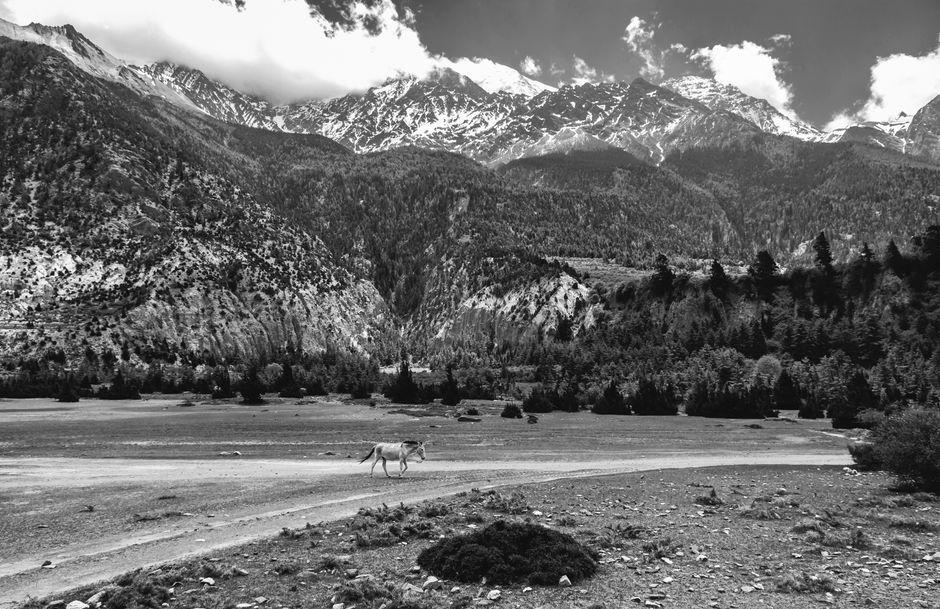
Discover the best time to visit Dhorpatan Hunting Reserve, Nepal’s remote sanctuary for solitude and rare wildlife encounters.
Best Time to Visit Dhorpatan Hunting Reserve, Nepal
Introduction
Discover the raw allure of Dhorpatan Hunting Reserve Nepal, a secluded sanctuary in the western Himalayas. This remote reserve offers a rare escape from crowded tourist hotspots, blending pristine alpine landscapes with thrilling wildlife encounters. Ideal for nature lovers and adventure seekers, Dhorpatan is Nepal’s last remaining hunting reserve turned conservation hub. This guide explores the best time to visit Dhorpatan Hunting Reserve to maximize your experience.
Why Visit Dhorpatan Hunting Reserve?
Dhorpatan Hunting Reserve is a paradise for wildlife enthusiasts. Home to the Himalayan markhor, blue sheep, and numerous bird species, it provides untouched beauty and ecological diversity. The reserve spans 135 km² at elevations ranging from 2,800 to 5,840 meters. Its secluded location ensures minimal human interference, making it perfect for solitude seekers.
Best Time to Visit Dhorpatan Hunting Reserve
Choosing the right season is crucial for your Dhorpatan adventure. The best time to visit Dhorpatan Hunting Reserve is from October to May, aligning with the dry season. Here’s a breakdown:
Dry Season (October–May)
- October–November: Post-monsoon clarity. Weather is stable, ideal for trekking and wildlife spotting.
- December–February: Cold but clear skies. Perfect for photography against snowy backdrops.
- March–May: Spring blooms and migratory birds. Wildlife activity peaks as animals prepare for summer.
Monsoon Season (June–September)
Avoid this period due to heavy rainfall, landslides, and slippery trails. The reserve becomes inaccessible in many areas, and wildlife is harder to spot.
Travel Tips for Dhorpatan Hunting Reserve
- Permits: Obtain an entry permit from the Institute of Sahyog (IOSS) in Kathmandu. Cost: ~USD 500–600 per person.
- Guided Treks: Hire a local guide familiar with terrain and wildlife. Recommended agencies include Nepal Tourism Board partners.
- Gear Up: Waterproof clothing, thermal layers, and sturdy boots are essential. Binoculars for birdwatching.
- Patience: Wildlife sightings require early mornings or late afternoons. Avoid midday heat, especially in summer.
- Sustainability: Respect conservation efforts. Dhorpatan pioneers eco-tourism in Nepal.
Essential Information
- Accessibility: Start via Jumlang or Mir blink. Fly to Pokhara or Kathmandu, then hike or drive to the reserve.
- Health: Altitude acclimatization is key. Consult a doctor before high-altitude travel.
- Cultural Sensitivity: Respect local Tabitebga community traditions.
FAQs
Q: When is the best time for wildlife viewing?
A: October–April, as animals are active during colder months.
Q: Are hunting activities allowed?
A: No. Hunting is banned since 1998; the reserve now focuses on conservation.
Q: How safe is the reserve?
A: Generally safe with a guide. Risk of altitude sickness or weather changes exists.
Q: Can I visit without a guide?
A: Not recommended. The rugged terrain and unpredictable weather demand expert navigation.
Q: What’s the cost of a trip?
A: Permits (~USD 500) + guide fees + accommodation. Basic lodges are available.
Conclusion
Dhorpatan Hunting Reserve is a testament to Nepal’s hidden natural wonders. By timing your visit between October and May, you ensure optimal weather, wildlife encounters, and unforgettable solitude. Embrace the challenge of this remote adventure, and let Dhorpatan redefine your notion of wilderness.
Travel Advice
- Plan permits at least 2 months in advance.
- Combine your trip with a Pokhara or Annapurna trek for a balanced itinerary.
- Stay updated on weather forecasts—conditions change rapidly.