Discover the best time to visit Everest Base Camp in Nepal for stunning Himalayan views. Expert tips, itinerary, and essential advice for an unforgettable trek.
Best Time to Visit Everest Base Camp: A Comprehensive Nepal Travel Guide
Introduction
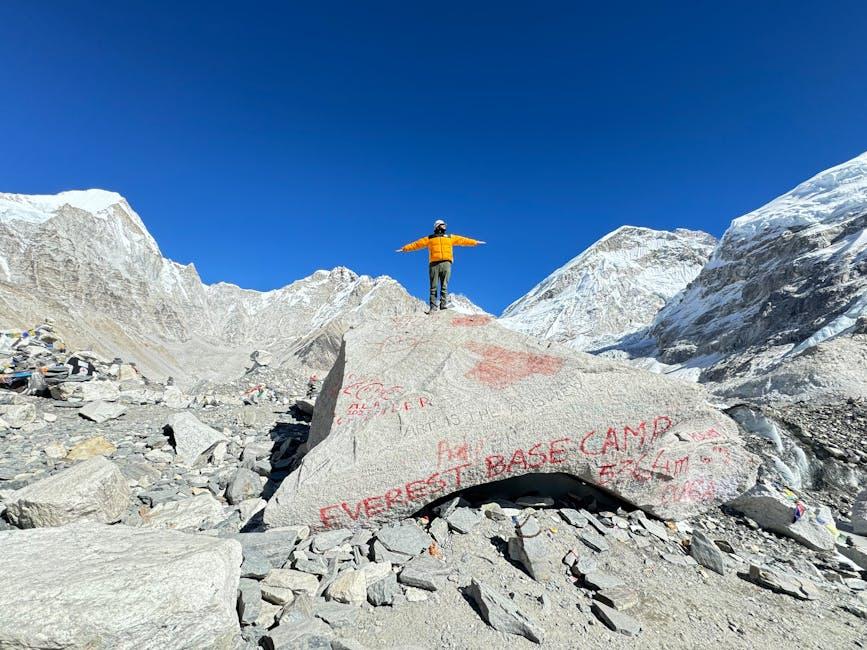
Everest Base Camp (EBC) in Nepal is a dream destination for trekkers worldwide. This iconic journey, nestled in the majestic Sagarmatha National Park, offers unparalleled views of Mount Everest and other Himalayan peaks. As one of the most sought-after trekking routes, the best time to visit Everest Base Camp is critical to ensure safety, optimal weather, and memorable experiences. Whether you're an adventurous trekker or a cultural enthusiast, understanding the ideal seasons and practical considerations will transform your Everest Base Camp Nepal adventure into a seamless and awe-inspiring expedition.
Why Everest Base Camp is a Must-Visit
Everest Base Camp isn't just about conquering altitude; it’s an immersive journey into Sherpa culture, ancient monasteries, and vibrant Himalayan flora. The trek spans 13-14 days, covering diverse terrains from lush forests to barren high-altitude zones. Key highlights include:
- UNESCO World Heritage Sites like Tengboche Monastery
- Panoramic mountain vistas at Namche Bazaar and Gokyo Lakes
- Unique Sherpa hospitality that enriches the trekking experience
For visitors, the best time to visit Everest Base Camp ensures clear skies, manageable snow conditions, and warmer temperatures, making the trek more enjoyable and safer.
Understanding the Climate of the Himalayas
Nepal’s climate is highly variable due to its geography. The Everest region experiences four distinct seasons:
Spring (March to May)
- Weather: Mild temperatures (5°C to 20°C), minimal rainfall
- Advantages: Snow-free trails, blooming rhododendrons, and clear skies
- Challenges: Occasional cloud cover limiting mountain views
Monsoon (June to August)
- Weather: Heavy rainfall, landslides, and slippery trails
- Disadvantages: Higher risk of altitude sickness due to dropping temperatures
- Not recommended for most trekkers
Autumn (September to November)
- Weather: Crisp air, clear skies, and minimal rain
- Advantages: Best visibility for Everest views, post-monsoon trail stability
- **Best time to visit Everest Base Camp for photographers and solitude-seekers
Winter (December to February)
- Weather: Freezing temperatures (-5°C to -20°C) and heavy snowfall
- Challenges: Risk of extreme weather and trail closures due to snow
- **Only viable for experienced trekkers with proper gear
Key Factors Influencing the Best Time to Visit
When planning your Everest Base Camp Nepal journey, consider these elements:
- Altitude acclimatization: Spring and autumn allow gradual ascent, reducing altitude sickness risks
- Crowd levels: Autumn sees more tourists; spring offers a quieter experience
- Permits: Sagarmatha National Park permits and TIMS cards are mandatory year-round
- Local festivals: Tetuma Dashain (Autumn) adds cultural value but may increase crowds
Essential Travel Advice for EBC Trek
Permits and Documentation
- Sagarmatha National Park Permit: Required for entry beyond 7,000m
- TIMS Card: Mandatory for all trekkers in restricted areas
- Visa: Ensure an 8-week visa before departure
Packing Essentials
- Apparel: Layered clothing (base layers, fleece, down jacket, waterproof shell)
- Footwear: Waterproof trekking boots with good traction
- Gear: Headlamp, portable oxygen supply, reusable water bottles
Health and Safety
- Acclimatization: Plan rest days in Namche Bazaar or Dingboche
- Hydration: Drink at least 3 liters of water daily at high altitudes
- Travel insurance: Cover evacuation and medical evacuation
Frequently Asked Questions
Q: What is the best time to visit Everest Base Camp?
A: The best time to visit Everest Base Camp is during spring (March-May) or autumn (September-November) for optimal weather and trail conditions.
Q: How difficult is the Everest Base Camp trek?
A: It’s a moderate to challenging trek due to high altitude (5,364m EBC) and varying terrain. Prior trekking experience is advisable.
Q: What is the cost of the Everest Base Camp trek?
A: Prices range from $1,500 to $3,500, covering permits, guides, porters, and accommodation. The best time to visit Everest Base Camp budget-wise is autumn.
Q: Can I visit EBC year-round?
A: Technically yes, but winter treks require advanced equipment and are riskier. Spring and autumn are universally recommended as the best time to visit.
Q: Do I need a guide?
A: Hiring a local guide is mandatory in Nepal. They provide safety, cultural insights, and logistical support, especially during the best time to visit.
Travel Tips for a Successful EBC Journey
- Start early: Begin your trek in Kathmandu and acclimatize in Lukla
- Train acclimatization: Spend 2-3 days in Namche Bazaar (3,440m) before ascending
- Hire a porter: Reduces load and allows focus on navigation
- Camera etiquette: Respect local customs while photographing cultural sites
- Emergency contacts: Save local rescue services (e.g., Nepal Police, hotel staff)
Conclusion
The best time to visit Everest Base Camp in Nepal is undeniably spring or autumn, each offering unique rewards. Spring brings vibrant landscapes and fewer crowds, while autumn delivers unmatched mountain views and comfortable weather. By aligning your Everest Base Camp Nepal adventure with these seasons and following professional travel advice, you’ll maximize safety, comfort, and the wonder of the Himalayas. Remember, thorough preparation is key to unlocking the full magic of this once-in-a-lifetime journey.
FAQs
- What is the best time to visit Everest Base Camp?
- How long does the Everest Base Camp trek take?
- What permits are needed for EBC?
- Can I do the trek without a guide?
- What are the temperature ranges during the best time to visit?