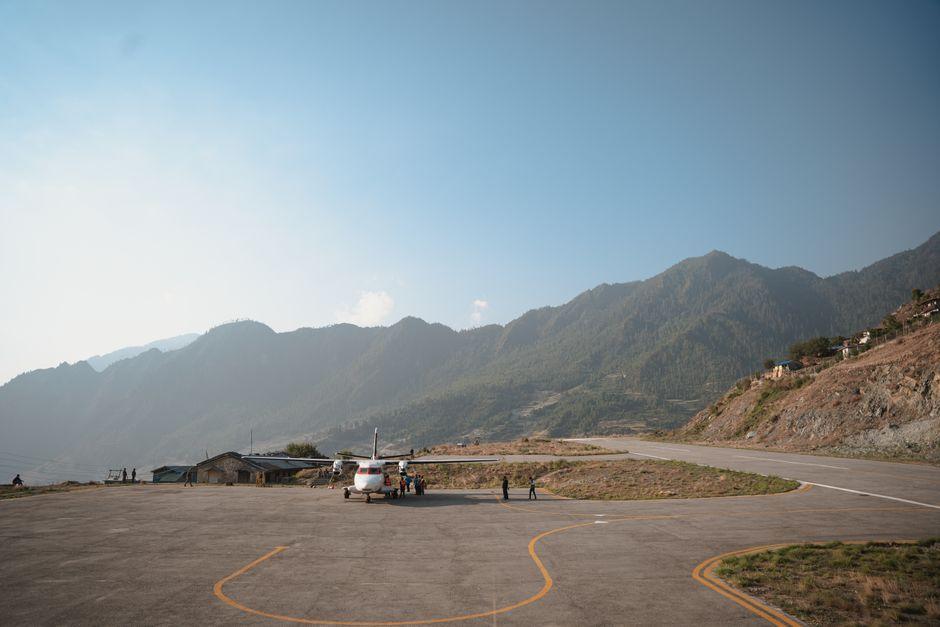
Discover the best time to visit Helambu, Nepal - seasons, trekking routes, culture, and tips for an unforgettable Himalayan adventure.
Best Time to Visit Helambu: A Complete Travel Guide\n\n## Introduction\n\nHelambu Nepal is a serene trekking region located just north of Kathmandu, offering lush valleys, terraced hillsides, and vibrant Sherpa villages. Whether you are looking for a short forest walk or an immersive cultural experience, Helambu delivers unforgettable scenery and warm hospitality. This guide covers the Best Time to Visit Helambu, essential travel advice, trekking routes, cultural highlights, and practical tips to make your journey smooth and memorable.\n\n## Why Choose Helambu?\n\nHelambu stands out for its accessibility and diversity. Unlike the crowded Everest or Annapurna circuits, Helambu provides a peaceful alternative with stunning views of Langtang Lirung, Dorje Lakpa, and the Ganesh Himal. The region is inhabited by Sherpa and Tamang communities, offering authentic cultural encounters, traditional cuisine, and centuries-old monasteries.\n\n## Understanding Helambu's Climate\n\nHelambu experiences a subtropical highland climate with four distinct seasons:\n\n- Spring (March to May): Mild temperatures, blooming rhododendrons, and clear mountain views.\n- Summer/Monsoon (June to August): Warm days, heavy rainfall, and lush green landscapes; trails can be slippery.\n- Autumn (September to November): Cool, dry weather, excellent visibility, and the most popular trekking period.\n- Winter (December to February): Cold temperatures, occasional snow at higher elevations, and fewer crowds.\n\n## Best Time to Visit Helambu\n\nThe Best Time to Visit Helambu depends on your preferences:\n\n### Spring (March-May)\n\n- Temperature: 10 °C to 20 °C in lower valleys, cooler at altitude.\n- Highlights: Rhododendron forests in full bloom, vibrant wildlife, and pleasant trekking conditions.\n- Crowds: Moderate; ideal for photographers and nature lovers.\n- Tip: Pack layers and a good rain jacket for occasional showers.\n\n### Autumn (September-November)\n\n- Temperature: 5 °C to 18 °C, clear skies.\n- Highlights: Best mountain vistas, stable trails, and festive atmosphere with Dashain and Tihar celebrations.\n- Crowds: Peak season; expect more trekkers on popular routes.\n- Tip: Book accommodation early and carry warm clothing for chilly nights.\n\n### Summer/Monsoon (June-August)\n\n- Temperature: 15 °C to 25 °C, high humidity.\n- Highlights: Lush greenery, waterfalls at their peak, and fewer tourists.\n- Challenges: Frequent rain, leeches, and possible landslides on certain trails.\n- Tip: Use waterproof gear, insect repellent, and check trail conditions daily.\n\n### Winter (December-February)\n\n- Temperature: 0 °C to 10 °C, possible snow above 3000 m.\n- Highlights: Snow-capped peaks, tranquil trails, and unique winter photography opportunities.\n- Challenges: Cold nights, limited services in remote villages, and some high passes may be closed.\n- Tip: Bring insulated clothing, sleeping bag rated for sub-zero temperatures, and confirm lodge availability.\n\n## Top Trekking Routes in Helambu\n\n### 1. Helambu Circuit Trek (4-5 days)\n\n- Start/End: Sundarijal -> Melamchi Gaon -> Tarke Gyang -> Sermathang -> Kutumsang -> Sundarijal\n- Highlights: Terraced fields, Sherpa villages, panoramic views of Langtang range, and visits to ancient monasteries.\n- Difficulty: Moderate; suitable for beginners with decent fitness.\n- Accommodation: Tea houses and lodges along the route.\n\n### 2. Langtang-Helambu Trek (7-9 days)\n\n- Combine: Langtang Valley with Helambu for a longer adventure.\n- Highlights: Langtang National Park, Kyanjin Gompa, glacial lakes, and cultural immersion.\n- Difficulty: Moderate to challenging; includes higher passes.\n- Tip: Acclimatize properly and carry a basic first-aid kit.\n\n### 3. Sherpa Village Walk (2-3 days)\n\n- Route: Melamchi Bazaar -> Sherpa Gaon -> Thumpakhar -> back to Melamchi\n- Highlights: Intimate Sherpa culture, traditional architecture, and local festivals.\n- Difficulty: Easy; perfect for families or those short on time.\n- Tip: Engage with locals, try Sherpa tea, and respect religious sites.\n\n## Cultural Experiences\n\nHelambu is home to Sherpa, Tamang, and Hyolou communities. Visitors can:\n\n- Visit Monasteries: Such as Thupten Choling and Melamchi Ghyang.\n- Participate in Festivals: Dashain (October) and Tihar (November) showcase traditional dances, music, and food.\n- Learn Traditional Crafts: Weaving, wood carving, and thangka painting workshops are available in select villages.\n- Taste Local Cuisine: Try dal bhat, Sherpa stew (thukpa), and homemade chang (millet beer).\n\n## Practical Travel Tips\n\n- Permits: No special permit required for Helambu trekking; a TIMS card is recommended for safety.\n- Getting There: From Kathmandu, take a local bus or hire a jeep to Sundarijal (about 1-hour drive). From Sundarijal, start trekking on foot.\n- Accommodation: Tea houses offer basic rooms with shared bathrooms; prices range from $5-$15 per night.\n- Food: Most lodges serve dal bhat, noodles, eggs, and seasonal vegetables. Carry snacks for longer stretches.\n- Health & Safety: Drink only boiled or purified water; carry water purification tablets. Altitude sickness is rare below 3000 m, but stay hydrated and ascend gradually.\n- Gear: Sturdy trekking boots, layered clothing, waterproof jacket, hat, gloves, sunscreen, and a good quality backpack.\n- Guides & Porters: Hiring a local guide enhances cultural insight and supports the community. Porters can be arranged through trekking agencies in Kathmandu.\n- Respect Local Customs: Dress modestly, remove shoes before entering monasteries, and ask permission before photographing people.\n\n## Frequently Asked Questions (FAQs)\n\n**Q1: How many days should I allocate for a Helambu trek?**\nA: The classic Helambu Circuit can be completed in 4-5 days. Adding a day for travel to/from Kathmandu makes a comfortable 6-day itinerary.\n\n**Q2: Is Helambu suitable for beginner trekkers?**\nA: Yes. The trails are well-marked, elevations stay mostly below 3000 m, and tea houses provide regular rest stops.\n\n**Q3: Can I trek Helambu during the monsoon?**\nA: Possible, but be prepared for rain, leeches, and slippery paths. Many trekkers choose the monsoon for fewer crowds and lush scenery.\n\n**Q4: What is the average cost of a Helambu trek?**\nA: Budget travelers can expect $20-$30 per day including accommodation, meals, and guide/porter fees. Luxury options are limited but available in Kathmandu before/after the trek.\n\n**Q5: Are there ATM or banking facilities in Helambu?**\nA: No. Carry enough Nepali rupees for the trek; ATMs are available in Kathmandu and larger towns like Melamchi Bazaar.\n\n**Q6: Do I need travel insurance?**\nA: Strongly recommended. Ensure your policy covers trekking up to 4000 m, medical evacuation, and trip cancellation.\n\n## Conclusion\n\nHelambu Nepal offers a perfect blend of natural beauty, cultural richness, and accessible adventure. By choosing the Best Time to Visit Helambu that matches your interests—whether it’s the floral splendor of spring, the crystal-clear vistas of autumn, the verdant monsoon landscapes, or the serene winter snow—you’ll unlock an unforgettable experience. Plan ahead, respect local traditions, and immerse yourself in the warm hospitality of the Sherpa and Tamang communities. Your journey to Helambu will not only refresh the spirit but also leave you with lasting memories of the Himalayas’ hidden gem.