
Discover the magic of Janakpur, Nepal. Learn the best time to visit, explore the Janaki Mandir, and immerse yourself in the rich Mithila culture and festivals.
Best Time to Visit Janakpur: A Complete Spiritual & Cultural Guide
Welcome to Janakpur, Nepal, a city where the boundaries between the mortal and the divine blur. Nestled in the heart of the Mithila region, Janakpur is not merely a destination; it is a profound sensory experience. As the birthplace of Goddess Sita, this ancient city serves as the spiritual anchor for millions of devotees and a cultural jewel for travelers seeking to understand the roots of the Ramayana epic.
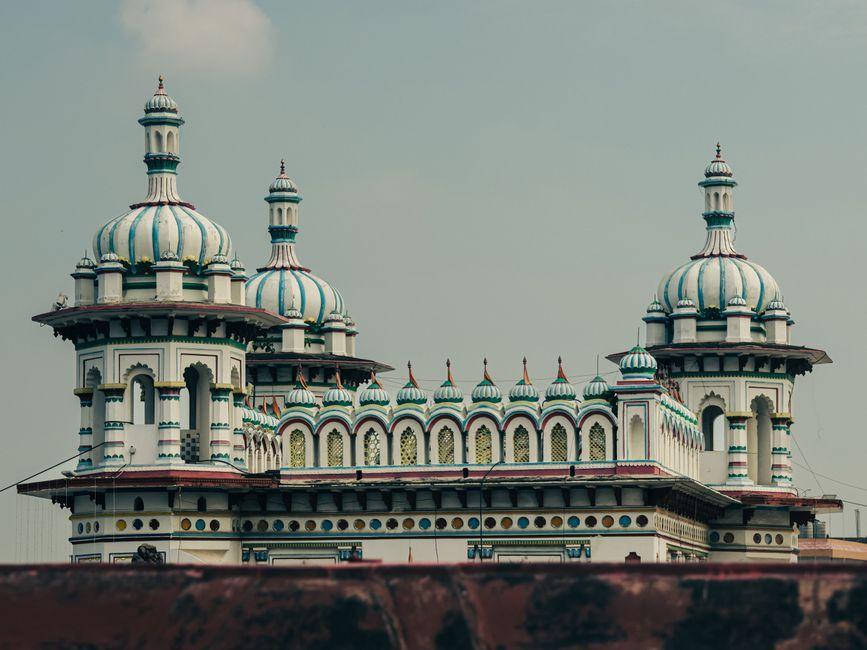
Whether you are drawn by the majestic white domes of the Janaki Mandir or the intricate Madhubani art that adorns every wall, understanding the best time to visit Janakpur is crucial to ensuring your pilgrimage is as harmonious and enriching as possible.
The Essence of Janakpur: Where History Meets Devotion
Janakpur is a living museum of Mithila culture. The city is defined by its unique blend of Mughal and Rajput architectural styles, most notably seen in the grand Janaki Mandir. Unlike the mountain towns of Nepal, Janakpur offers a glimpse into the plains' rich traditions, where the language of Maithili is spoken, and the festivals are celebrated with unparalleled fervor.
For the curious traveler, Janakpur offers a departure from the trekking trails of the Himalayas. Here, the adventure is found in the rhythm of temple bells, the colorful marketplaces, and the deep spiritual resonance that permeates the air. To truly experience the city, one must time their visit to coincide with the seasonal rhythms of the Terai plains.
When is the Best Time to Visit Janakpur?
Because Janakpur is located in the tropical Terai region, the weather plays a significant role in your travel experience. We categorize the best times to visit into three distinct seasons: Peak, Shoulder, and Off-Peak.
1. The Peak Season: Autumn and Spring (October to March)
For most travelers, the best time to visit Janakpur is between October and March. This period falls during the post-monsoon and early spring months, offering the most pleasant conditions for exploration.
- Weather: The temperatures are mild and comfortable. Days are sunny, and nights are cool, making it perfect for walking through the temple complexes and visiting the various shrines.
- Atmosphere: This is the time when religious fervor is at its highest. You will find the city teeming with pilgrims, and the energy in the streets is electric.
- Major Festivals: If you visit during this window, you might witness the vibrant celebrations surrounding the Rama Navami or the various local Mithila festivities.
2. The Monsoon Season: June to September
While many travelers avoid the rains, the monsoon season offers a different kind of beauty to the Mithila region.
- The Landscape: The surrounding plains turn a lush, vibrant green. The heat that characterizes the Terai is significantly relieved by the rain.
- The Risks: Heavy rainfall can occasionally disrupt travel plans, causing waterlogging in certain areas or making road travel slightly slower.
- The Spiritual Benefit: Some devotees prefer the monsoon because of the intense, rain-soaked atmosphere that heightens the spiritual mood during sacred rituals.
3. The Summer Season: April to June
Summer in Janakpur can be quite intense. Before the monsoon arrives, the heat can be quite high.
- The Heat Factor: Temperatures can soar, making outdoor exploration physically demanding. If you choose to visit during these months, it is essential to plan your sightseeing for the early mornings and late evenings.
- The Brightness: The sunlight is intense, which provides excellent photography opportunities for the white marble of the temples, but requires significant sun protection.
Major Festivals: When Janakpur Truly Comes Alive
If your goal is to witness the true soul of Janakpur, Nepal, plan your trip around these major events:
Vivaha Panchami
This is arguably the most important festival in Janakpur. It celebrates the divine wedding of Lord Ram and Goddess Sita. During this time, the city is transformed into a kaleidoscope of colors, music, and ancient rituals. The streets are filled with devotees, and the Janaki Mandir becomes the center of a massive, joyous celebration.
Ram Navami
Celebrating the birth of Lord Ram, this festival sees thousands of pilgrims flocking to the city. The air is thick with the chanting of mantras and the scent of incense. It is a time of profound devotion and communal harmony.
Top Things to Do in Janakpur
To make the most of your visit, ensure your itinerary includes these essential experiences:
1. Explore the Janaki Mandir
No trip to Janakpur is complete without standing in awe before the Janaki Mandir. The architecture is a stunning fusion of various styles. The intricate carvings, the sprawling courtyards, and the serene atmosphere make it a masterpiece of religious art.
2. Discover Madhubani/Mithila Art
Janakpur is a hub for Mithila art. This traditional folk art, characterized by bold outlines and vibrant colors, tells stories of nature and mythology. You can find local artisans demonstrating their craft or browse local markets for authentic pieces to take home.
3. Visit the Dhanushadham Temple
Located a short distance from the city, this temple is believed to be the site where the bow of Lord Shiva was broken by Lord Ram. It is a significant pilgrimage site that adds another layer to your spiritual journey.
4. Boat Ride on Janak Sagar
Relaxing by the Janak Sagar, the massive lake in the heart of the city, provides a peaceful respite from the bustling streets. It is a wonderful place for a sunset stroll.
Essential Travel Tips for Janakpur
To ensure a smooth journey through this historic city, keep these tips in mind:
- Dress Code: As Janakpur is a deeply religious city, dress modestly when visiting temples. Both men and women should ensure their shoulders and knees are covered.
- Transportation: Within the city, rickshaws and local taxis are the most common ways to get around. For travel from Kathmandu, there are several bus options and flights to nearby airports.
- Currency and Connectivity: The Nepalese Rupee (NRP) is used here. While major hotels may accept cards, it is highly recommended to carry enough cash for local markets and smaller vendors.
- Hydration and Food: Stay hydrated! The heat in the Terai can be dehydrating. Try the local Mithila cuisine, which is distinct and flavorful, but always stick to bottled or filtered water.
- Connectivity: Mobile networks are quite strong in Janakpur, making it easy to navigate with GPS.
FAQ: Frequently Asked Questions
Is Janakpur safe for solo travelers?
Yes, Janakpur is generally safe for solo travelers. However, as with any destination, it is wise to remain aware of your surroundings, especially when traveling late at night in less populated areas.
How do I get to Janakpur from Kathmandu?
You can travel by bus, which is an affordable and scenic route, or by flight for a much faster journey. Flights typically land at the nearby airport, followed by a short drive.
Do I need a guide in Janakpur?
While it is possible to explore the city independently, hiring a local guide can greatly enrich your experience, especially regarding the historical and mythological nuances of the sites.
What is the best food to try in Janakpur?
Don't miss out on the local Mithila delicacies. The flavors are unique to the region and often involve specific spices and grains that differ from the hilly regions of Nepal.
Conclusion
Janakpur, Nepal, is a destination that offers much more than just sightseeing. It offers a journey into the heart of a civilization. Whether you are a devout pilgrim seeking blessings or a curious traveler eager to witness the majesty of Mithila culture, Janakpur has something to offer.\n
By choosing the best time to visit Janakpur—ideally during the cool, festive months of October through March—you set the stage for a life-changing encounter with history, art, and spirituality. Pack your bags, open your heart, and prepare to be captivated by the divine charm of the city of Sita.