
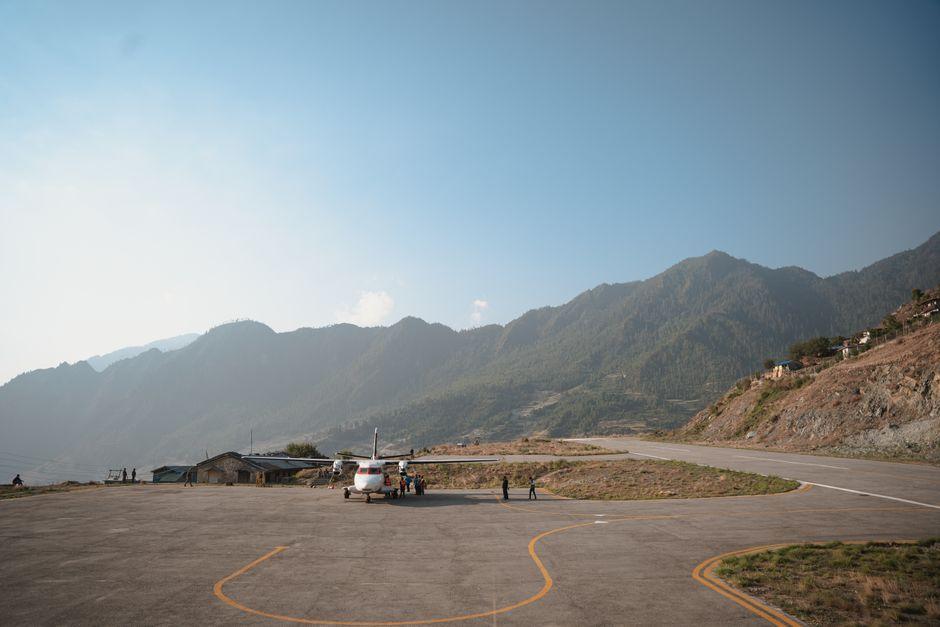
Discover the perfect time to explore Kushma Nepal – adventure, culture, and breathtaking scenery await in Parbat District.
Best Time to Visit Kushma
Introduction
Kushma, nestled in the scenic Parbat District of Gandaki Province, has rapidly become a must‑visit destination for adventure seekers and cultural explorers alike. Often highlighted in recent travel round‑ups, Kushma Nepal offers record‑breaking bungee jumping, a thrilling swing over the emerald George River, and a glimpse into authentic Himalayan culture. This guide tells you exactly when to visit Kushma to experience the best combination of weather, activities, and local festivities.
Overview of Kushma
Located at an altitude of about 1,200 m (3,937 ft), Kushma is a hill town surrounded by terraced fields, rhododendron forests, and the crystal‑clear waters of the George River. The town’s proximity to the famous Kushma Bungee Jump (the world’s highest at 519 m) and the Swing Over George River makes it a hotspot for adrenaline junkies, while its ancient temples and vibrant festivals attract cultural tourists.
When Is the Best Time to Visit Kushma?
Spring (March – May)
- Weather: Mild temperatures (15‑25 °C / 59‑77 °F) with clear skies and occasional showers.
- Why Visit: Perfect for trekking to nearby viewpoints, exploring Kushma’s temples, and trying the local Sel Roti during the Holi celebrations.
- Activities: Short hikes, cultural tours, and a safe window for adventure sports before the monsoon arrives.
Summer (June – August)
- Weather: Hot and humid (25‑30 °C / 77‑86 °F); heavy rains are common.
- Why Visit: Although monsoon swells the George River, making the swing more dramatic, travel becomes tricky due to landslides.
- Activities: If you’re not fazed by rain, you can enjoy jungle treks and witness the Kushma Carnival, a lesser‑known summer festival.
Monsoon (June – September)
- Weather: Very wet, with intense downpours (30‑35 °C / 86‑95 °F). The river’s water level peaks, offering spectacular but risky conditions for the swing.
- Why Visit: Only for the bold. The landscape is lush, and you can experience the region’s biodiversity on guided nature walks.
Autumn (October – November)
- Weather: Cool and crisp (10‑20 °C / 50‑68 °F) with minimal rainfall and clear mountain vistas.
- Why Visit: This is arguably the best time to visit Kushma. The sky is pristine, the temperature ideal for outdoor activities, and the region hosts the Dashain and Tihar festivals, showcasing traditional music, dance, and illuminated homes.
Winter (December – February)
- Weather: Cold nights (5‑12 °C / 41‑54 °F) with sunny days. Light snowfall can occur at higher elevations.
- Why Visit: Great for stargazing and photography of the snow‑capped Annapurna range from higher viewpoints. However, the river’s water level drops, making the swing less scenic.
Activities by Season
Spring & Autumn – Ideal for Bungee & Swing
- The mild climate and stable weather make these seasons perfect for the Kushma Bungee Jump and the Swing Over George River. The clear blue sky also offers the best photo opportunities.
Autumn – Cultural Immersion
- Participate in Tihar, Nepal’s festival of lights. Houses are decorated with diyas, and streets echo with traditional songs. Don’t miss the Kushma Temple Fair, where locals offer prayers to the deity Bhimeshwar.
Winter – Trekking & Photography
- Trek the Kushma to Modi Valley trail. The cooler air makes the trek comfortable, and you’ll encounter waterfalls frozen in mid‑fall, a photographer’s dream.
How to Get to Kushma
- By Air: The nearest airport is Pokhara (about 150 km). Daily flights connect Pokhara to Kathmandu, and you can hire a private driver or join a shared taxi for the remaining distance.
- By Road: Kushma lies on the Pokhara‑Baglung highway. Buses from Pokhara to Baglung stop at Kushma’s main bazaar. The journey is scenic, winding through rice terraces and pine forests.
- From Kathmandu: A 6‑hour drive via the Prithvi Highway, followed by a 30‑km jeep track to reach the town centre.
Accommodation Options
- Eco‑Lodge Kushma: Sustainable wooden cabins with mountain views, ideal for families.
- Heritage Homestays: Local families offer rooms with traditional Nepali cuisine, giving you an authentic cultural experience.
- Adventure Camps: For thrill‑seekers, there are on‑site camps that provide bunk beds, communal dining, and quick access to the bungee and swing sites.
Local Cuisine
- Dal Bhat: The staple meal—lentils, rice, and vegetable curries—served with a side of pickled mango.
- Momos: Steamed dumplings filled with chicken or vegetables, a favorite snack before a bungee jump.
- Thukpa: A hearty noodle soup that warms you after a chilly mountain morning.
- Local Drinks: Try Masto (a traditional herbal cocktail) for a refreshing evening treat.
Cultural Highlights
- Bhimeshwar Temple: The main religious site, dating back to the 17th century, featuring intricate woodcarvings.
- Rani Ghara: An old royal palace turned museum, showcasing artifacts from the region’s ruling families.
Adventure Activities
- Kushma Bungee Jump: At 519 m, it’s the world’s highest commercial bungee, offering a 360° view of the surrounding valleys.
- Swing Over George River: A 200 m swing that lets you glide over the river at 40 km/h; best attempted in autumn when water levels are moderate.
- White‑Water Rafting: Downstream on the George River (moderate difficulty) – best in post‑monsoon when water is brisk but manageable.
Photography Spots
- Sunrise from Talla Dand: Panoramic view of the entire Kushma valley.
- Mid‑River Swing Photo: Capture the swing against the backdrop of the Annapurna range.
- Temple Courtyard: Early morning light on the carved wooden doors of Bhimeshwar Temple.
Sustainable Travel Practices
- Use reusable water bottles and carry biodegradable sunscreen.
- Respect local customs: remove shoes before entering temples and ask permission before photographing residents.
- Support community‑run homestays and guide services to ensure tourism benefits locals.
- Pack out all waste; leave no trace in the pristine mountain environment.
Frequently Asked Questions (FAQs)
Q1: What is the best month to bungee jump in Kushma?
A: September and October provide the most stable weather and optimal river levels for safe, thrilling jumps.
Q2: Do I need a visa to visit Kushma?
A: Yes, all foreign visitors require a Nepal visa, obtainable online (Tourist Visa) or on arrival at airports/ports.
Q3: Is Kushma safe for solo female travelers?
A: Generally safe, especially during daylight. Use reputable homestays and guide services, and keep valuables secured.
Q4: What language is spoken in Kushma?
A: Nepali is the official language. Many locals also speak Hindi due to regional migration.
Q5: Can I combine a visit to Kushma with other destinations?
A: Absolutely. Pokhara, Muktinath, and the Annapurna Circuit are all within a 2‑3‑hour drive, making Kushma a great base for a multi‑city itinerary.
Travel Tips
- Timing: Aim to arrive in early October to miss the post‑monsoon influx but still enjoy festival vibes.
- Gear: Wear comfortable trekking shoes, layered clothing, and bring a waterproof jacket for unexpected rain.
- Currency: Nepali Rupees (NPR) are accepted everywhere; carry small notes for local markets.
- Health: Register for a travel insurance plan covering adventure sports. Bring any personal medications and a basic first‑aid kit.
- Connectivity: Mobile data works well in Kushma; most homestays provide Wi‑Fi for booking and emergency calls.
- Local Guides: Hire a certified guide for the bungee jump and river swing; they ensure safety protocols are followed.
Conclusion
Kushma, Nepal, offers a rare blend of heart‑pounding adventure and rich cultural heritage. By planning your trip during the best time to visit Kushma—primarily autumn—you’ll enjoy comfortable weather, vibrant festivals, and optimal conditions for the world‑class bungee jump and river swing. Whether you’re an adrenaline junkie, a photography enthusiast, or a cultural traveler, Kushma promises memories that will last a lifetime. Pack your bags, respect the local environment, and prepare for an unforgettable journey into the heart of western Nepal.
—
Ready to experience the thrill and tradition of Kushma? Start planning your adventure today!