
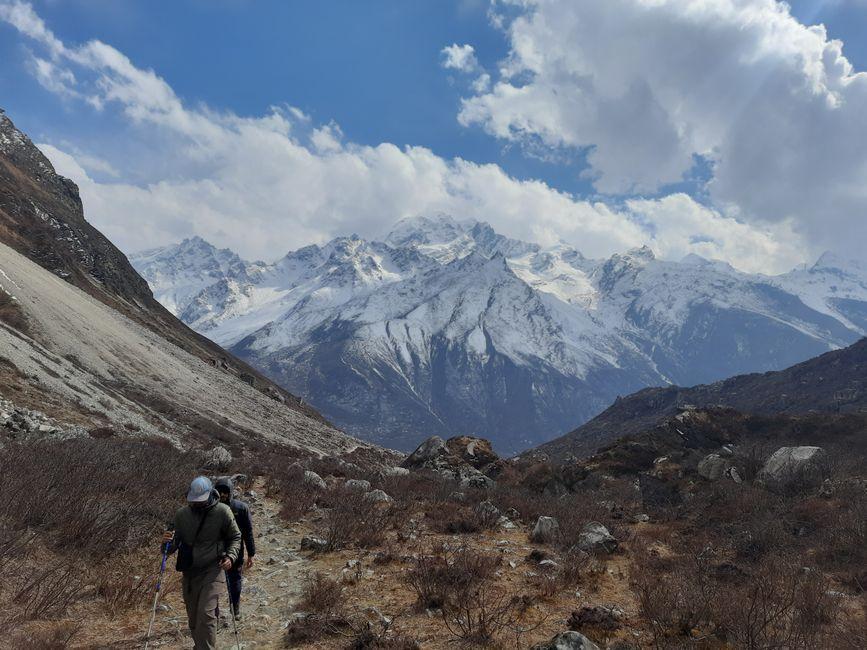
Guide to the best time to visit Langtang Valley Nepal covering seasons weather trekking conditions and Tamang cultural experiences.
Best Time to Visit Langtang Valley: A Complete Guide to Nepal's Hidden Himalayan Gem
Embark on a breathtaking journey through the Langtang Valley, a premier trekking destination where towering Himalayan peaks meet rich Tamang heritage. This guide explores the glacial landscapes and vibrant local life that make this region a must-visit for every adventure enthusiast. Nestled north of Kathmandu and bordering Tibet, Langtang Valley offers some of the most accessible high-altitude trekking in Nepal, yet it remains wonderfully off the beaten path. Whether youre drawn by the promise of rhododendron forests, yak pastures, or panoramic views of Langtang Lirung, Cho Oyu, and Shishapangma, timing your visit is crucial to experiencing the valley at its best.
Why Langtang Valley Should Be on Every Trekker's Radar
Langtang Valley, often called the Valley of Glaciers, is a sanctuary of natural beauty and cultural authenticity. Unlike the crowded Everest Base Camp or Annapurna Circuit routes, Langtang provides a more intimate encounter with the Himalayas. The trail winds through dense bamboo forests, alpine meadows, and rugged glacial moraines, culminating at the spectacular Kyanjin Gompa. Along the way, trekkers are greeted by the warm hospitality of the Tamang people, whose Tibetan-Buddhist traditions, stone houses, and mani walls add a profound cultural dimension to the physical journey. The valley was partially reopened after the 2015 earthquake, with many teahouses rebuilt to reflect resilient local craftsmanship.
Best Time to Visit Langtang Valley - Seasonal Overview
Choosing the right season for your Langtang trek can make the difference between a memorable adventure and a challenging slog. The valley experiences four distinct seasons, each offering unique conditions, temperatures, and scenery. Below, we break down what to expect during each period, helping you align your travel goals with the ideal window.
Spring (March to May)
Spring is widely considered the best time to visit Langtang Valley. As the winter snow melts, the valley bursts into life with blooming rhododendrons, especially in April. Temperatures range from 10°C to 20°C during the day, dropping to around 0°C at night at higher altitudes. The trails are generally dry, and the visibility is exceptional. This season also coincides with the peak blooming of wildflowers, making it a photographer's paradise. However, spring is also the most popular trekking season, so expect more fellow hikers on the trail and fully booked teahouses in Kyanjin Gompa.
Summer/Monsoon (June to August)
The monsoon season brings lush green landscapes, but it also brings frequent rain, slippery trails, and leeches. Daytime temperatures hover between 15°C and 25°C, but high humidity and overcast skies can obscure mountain views. Trekking during this time requires waterproof gear, quick-dry clothing, and a flexible itinerary. While the trails are less crowded, the risk of landslides and leech bites increases. For those who dont mind the rain, the monsoon offers a unique, misty aesthetic and the chance to see the valleys flora at its most vibrant.
Autumn (September to November)
Autumn is arguably the second best time to visit Langtang Valley, and many seasoned trekkers prefer it over spring. The monsoon retreats by late September, leaving behind crisp, clear air and stunning mountain visibility. October and November offer stable weather, moderate temperatures (8°C to 18°C), and festive atmospheres as Nepal celebrates Dashain and Tihar. The trails are dry, the views are postcard-perfect, and the cultural experiences are rich with local festivals. Like spring, autumn is a high-season period, so booking accommodations in advance is recommended.
Winter (December to February)
Winter transforms Langtang into a quiet, snow-draped wonderland. Daytime temperatures can reach 5°C to 10°C at lower elevations, but nights often plunge below -5°C, especially at Kyanjin Gompa (3870m). Snowfall can block high passes and make the trail more demanding, requiring crampons and experience in winter trekking. While the trails are often deserted, the risk of avalanches and extreme cold necessitates proper gear and, ideally, a guided trek. Winter is best for experienced trekkers seeking solitude and enjoying the valleys frozen beauty.
Weather and Climate Insights for Langtang Trekkers
Understanding Langtangs microclimate is essential for proper packing and safety. The valleys elevation ranges from approximately 1500m at Syabru Besi to over 3800m at Kyanjin Gompa, meaning temperatures drop significantly with altitude. Even during optimal seasons, mornings and evenings can be bitterly cold. Daytime sun can be deceptively strong, leading to sunburn at high altitudes. Trekkers should always check weather forecasts from the Nepal Meteorological Department and consult with local guides regarding trail conditions, especially during pre-monsoon and post-monsoon transition periods.
Cultural Highlights: Tamang Heritage and Monastery Life
The Langtang region is home to the Tamang community, whose roots trace back to Tibetan migrants. Trekking through villages like Thulo Syabru, Gatlang, and Chilime offers glimpses into traditional lifestyles unchanged for centuries. Visitors can explore ancient monasteries, participate in butter lamp ceremonies, and sample local cuisine such as shyakpa (vegetable stew), momos, and the famous yak cheese produced in Kyanjin. Respecting local customs such as removing shoes before entering homes and monasteries, and asking permission before photographing people or religious sites enhances the cultural exchange and fosters goodwill.
Essential Travel Tips for Langtang Valley
- Permits Required: Trekkers need a TIMS (Trekkers Information Management System) card and a Langtang National Park entry permit. These can be obtained in Kathmandu or at the park entrance in Dhunche.
- Best Guide or Porter: While the trail is well-marked, hiring a licensed local guide enriches the experience with historical and cultural context. Porters are available to carry gear, allowing you to trek lighter and support the local economy.
- Acclimatization: Kyanjin Gompa sits at 3870m. Follow the climb high, sleep low principle, and consider spending an extra day for acclimatization hikes to Tserko Ri (4984m) for breathtaking panoramas.
- Packing Essentials: Layered clothing is key. Include thermal base layers, a warm fleece, a waterproof and windproof outer shell, sturdy trekking boots, gloves, a hat, and a sleeping bag rated for -10°C. Dont forget a first-aid kit, water purification tablets, and high-energy snacks.
- Connectivity and Power: Teahouses basic electricity and Wi-Fi are available in larger villages, but expect intermittent service. Bring a power bank and consider a solar charger for extended treks.
- Responsible Trekking: Support teahouses that source food locally, avoid single-use plastics, and carry out all non-biodegradable waste. Respect wildlife and stay on designated trails to protect the fragile Himalayan ecosystem.
Frequently Asked Questions (FAQs)
Q: How many days does the Langtang Valley trek take? A: The standard Langtang Valley trek from Syabru Besi to Kyanjin Gompa and back typically takes 7 to 10 days, depending on your pace, acclimatization needs, and side trips such as Tserko Ri or the Gosainkunda Lake detour.
Q: Is the Langtang Valley trek suitable for beginners? A: Yes, the trek is considered moderate and is suitable for first-time trekkers with a good level of fitness. However, altitude awareness is crucial, and hiring a guide is highly recommended for safety and navigation.
Q: What is the altitude of Langtang Valley? A: The valley floor ranges from 1500m to 2500m, with Kyanjin Gompa at 3870m. Proper acclimatization and hydration are essential to prevent altitude sickness.
Q: Can I do the Langtang Valley trek independently? A: Yes, the trail is well-marked and many trekkers do it independently. However, you must carry your permits, and having a map or GPS app is advisable. In remote sections, teahouse availability may vary, so flexibility is key.
Q: What should I pack for Langtang Valley in winter? A: For winter trekking, pack insulated thermal layers, a down jacket, thermal gloves, a warm hat, insulated trekking boots, crampons or microspikes, a four-season sleeping bag, and extra heat packs. Check weather updates regularly, as snowfall can alter trail conditions.
Conclusion
Langtang Valley stands as a testament to Nepals diverse offerings where rugged Himalayan grandeur intertwines with living cultural traditions. By choosing the best time to visit Langtang Valley for your preferences and preparedness level, you unlock the door to unforgettable mountain vistas, serene glacial lakes, and the warm hospitality of the Tamang people. Whether you trek during the rhododendron-filled springs, the clear-autumn days, or the snow-quiet winters, Langtang promises a journey that resonates long after you descend. Plan wisely, trek responsibly, and let the Valley of Glaciers steal your heart.