
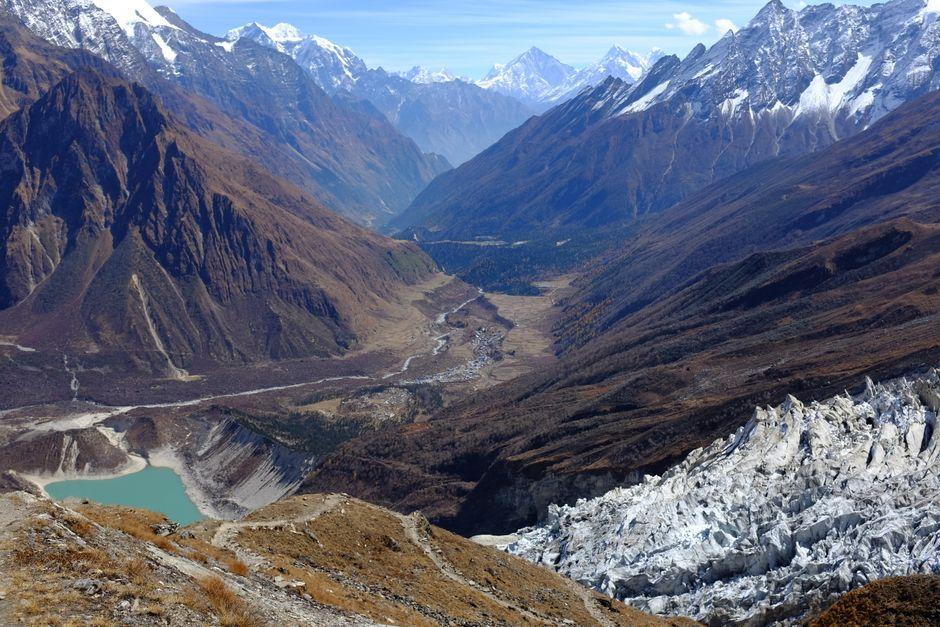
Discover the best time to trek Manaslu Circuit, Nepal – weather, seasons, tips, and FAQs for an unforgettable adventure.
Best Time to Visit Manaslu Circuit
Introduction
The Manaslu Circuit trek is one of Nepal’s most rewarding yet less‑traveled high‑altitude adventures. Circling the eighth‑highest peak in the world, Mount Manaslu (8,163 m), the route offers a blend of rugged terrain, pristine forests, ancient Buddhist monasteries, and warm hospitality from the Gurung and Tibetan‑influenced communities. Choosing the right time to embark on this journey can make the difference between a comfortable trek and a challenging ordeal. This guide explores the best seasons, month‑by‑month weather patterns, packing essentials, cultural highlights, permit requirements, and practical tips to help you plan an unforgettable Manaslu Circuit experience.
Overview of the Manaslu Circuit
Spanning roughly 177 kilometres (110 miles) and typically completed in 14‑18 days (though some itineraries extend to 28 days with side trips), the circuit starts in Soti Khola and finishes in Besisahar, passing the formidable Larkya La Pass at 5,160 m. Along the way trekkers encounter lush sub‑tropical valleys, terraced rice fields, pine and rhododendron forests, alpine meadows, and stark high‑desert landscapes. The trail is also a cultural corridor, dotted with ancient gompas, prayer wheels, and mani walls that reflect the region’s deep Buddhist heritage.
Weather & Seasons
Nepal’s climate is broadly divided into four seasons: pre‑monsoon (spring), monsoon (summer), post‑monsoon (autumn), and winter. For high‑altitude trekking like the Manaslu Circuit, the two most favorable windows are spring (March‑May) and autumn (September‑November). Each season brings distinct advantages and considerations.
Spring (March‑May)
- Temperature: Daytime temps at lower elevations range from 10‑20 °C, while nights can drop below freezing above 3,000 m. At Larkya La, daytime highs hover around 0‑5 °C with night lows often reaching -10 °C.
- Precipitation: Minimal rain; occasional snow showers possible at higher passes early in March.
- Scenery: Rhododendron forests burst into bloom, painting the hillsides with red, pink, and white. Clear skies provide stunning views of Manaslu, Himalchuli, and Ganesh Himal.
- Crowds: Moderate; the trail is less crowded than the Everest or Annapurna circuits but still sees a steady flow of trekkers.
Summer/Monsoon (June‑August)
- Temperature: Warm and humid at lower elevations (15‑25 °C). Higher altitudes remain cool but can experience sudden thunderstorms.
- Precipitation: Heavy rainfall, especially in June and July, leading to leech‑infested trails, slippery paths, and increased risk of landslides.
- Scenery: Lush greenery and numerous waterfalls, but views are often obscured by clouds.
- Crowds: Low; few trekkers venture out due to weather challenges.
Autumn (September‑November)
- Temperature: Similar to spring, with comfortable daytime temperatures (10‑20 °C) at mid‑elevations and crisp cold at night. Larkya La sees daytime highs of -5‑5 °C and night lows around -15 °C.
- Precipitation: Very little rain; skies are generally clear and stable.
- Scenery: Post‑monsoon air is exceptionally clear, offering some of the best mountain panoramas of the year. The trails are dry and firm.
- Crowds: Peak season; the Manaslu Circuit sees its highest number of trekkers, especially October.
Winter (December‑February)
- Temperature: Cold, especially at night; lower valleys can dip below 0 °C, while Larkya La often experiences temperatures of -15 °C to -25 °C with strong winds.
- Precipitation: Snowfall is common at higher altitudes, which can block the Larkya La Pass.
- Scenery: Snow‑capped peaks create a pristine, serene landscape, but daylight hours are short.
- Crowds: Very low; only experienced trekkers with proper gear attempt the circuit.
Month‑by‑Month Guide
| Month | Weather Highlights | Trail Conditions | Recommendation |
|---|---|---|---|
| January | Deep winter, heavy snow above 4,000 m | Larkya La often impassable | Not recommended unless you are an experienced winter mountaineer |
| February | Still cold, snow persists | Pass may open late month | Possible with proper gear, but risky |
| March | Early spring, snow melt begins | Lower trails clear, higher passes still snowy | Good for early‑season trekkers; carry crampons |
| April | Mild temperatures, rhododendron bloom | Trails mostly dry, excellent visibility | Ideal time – recommended |
| May | Warm, pre‑monsoon heat building | Trails dry, occasional afternoon clouds | Great for trekking; start early to avoid heat |
| June | Monsoon onset, heavy rain | Trails slippery, leeches prevalent | Not advised |
| July | Peak monsoon, frequent landslides | Trail conditions deteriorate | Avoid |
| August | Continued rain, high humidity | Similar to July | Avoid |
| September | Monsoon retreat, clear skies returning | Trails drying, excellent views | Excellent – start of peak season |
| October | Stable weather, clear skies | Best trail conditions, vibrant landscapes | Prime month – highly recommended |
| November | Cool, dry, clear skies | Trails firm, fewer crowds than Oct | Great alternative to October |
| December | Onset of winter, cold nights | Possible snow at higher elevations | Only for well‑equipped winter trekkers |
Trekking Preparation
Physical Fitness
The Manaslu Circuit involves sustained walking of 6‑8 hours per day with significant altitude gain. Aim for a training regimen that includes cardio (running, cycling, stair climbing), strength work (legs, core), and long hikes with a loaded backpack (10‑15 kg) to simulate trek conditions.
Gear Checklist
- Clothing: Layering system – moisture‑wicking base, insulating mid‑layer (fleece or down), waterproof/windproof outer shell. Include warm hat, gloves, and a buff.
- Footwear: Sturdy, broken‑in trekking boots with good ankle support; gaiters for snow or mud.
- Sleeping: Four‑season sleeping bag (rated to -20 °C) and a sleeping pad.
- Backpack: 35‑45 L capacity with rain cover.
- Essentials: Headlamp (extra batteries), trekking poles, water purification tablets or filter, sunscreen (SPF 50+), lip balm, basic first‑aid kit, altitude sickness medication (e.g., acetazolamide), multi‑tool, and a reliable map/GPS device.
- Permits: Manaslu Restricted Area Permit (RAP), Annapurna Conservation Area Permit (ACAP), and Trekkers’ Information Management System (TIMS) card. These must be arranged through a registered trekking agency.
Acclimatization Strategy
Follow the “climb high, sleep low” principle. Spend an extra night at Samagaon (3,530 m) before attempting Larkya La, and consider a side trip to Manaslu Base Camp (4,800 m) for additional altitude exposure. Stay hydrated, avoid alcohol, and monitor symptoms of AMS (headache, nausea, dizziness). If symptoms worsen, descend immediately.
Cultural Highlights
- Buddhist Monasteries: Visit the ancient Rachen Gompa and Mu Gompa, where you can observe monks’ daily rituals and spin prayer wheels.
- Mani Walls & Prayer Flags: Throughout the trail, intricately carved stone mantras and colorful flags flutter in the wind, offering photo opportunities and moments of reflection.
- Local Villages: Experience the Gurung culture in villages like Jagat and Deng, where traditional houses, terraced fields, and local cuisine (dal bhat, momo, thukpa) provide a genuine taste of Himalayan life.
- Festivals: If your trek aligns with local festivals such as Lhosar (Tibetan New Year) or Dashain, you may witness vibrant dances, music, and communal feasts.
Safety & Permits
Permits
Because the Manaslu region is a restricted area, trekkers must travel with a registered guide and obtain:
- Manaslu Restricted Area Permit (RAP): USD 70 per person for the first week, plus USD 10 per day thereafter.
- Annapurna Conservation Area Permit (ACAP): USD 30 per person.
- TIMS Card: USD 20 per person (or USD 10 if you’re part of a organized group).
All permits are issued in Kathmandu through authorized agencies.
Health & Safety Tips
- Altitude Sickness: Acclimatize properly; carry Diamox if prescribed.
- Weather Changes: Mountain weather can shift rapidly; always carry extra layers and a waterproof shell.
- Trail Hazards: Watch for loose rocks, especially after rain, and be cautious of yak caravans on narrow paths.
- Communication: Mobile coverage is spotty; consider renting a satellite phone or using a local SIM with limited data for emergencies.
- Insurance: Ensure your travel insurance covers high‑altitude trekking up to 6,000 m and includes evacuation.
FAQs
Q1: How long does the Manaslu Circuit trek take?
A: Most trekkers complete the circuit in 14‑18 days. Extended itineraries that include side trips to Manaslu Base Camp or Tsum Valley can stretch to 22‑28 days.
Q2: Do I need a guide to trek the Manaslu Circuit?
A: Yes. The region is classified as a restricted area, and a licensed guide (or guide‑porter team) is mandatory for permit issuance and safety.
Q3: What is the difficulty level of the Larkya La Pass?
A: Larkya La (5,160 m) is considered a moderate‑to‑high difficulty pass due to altitude, potential snow, and steep ascent/descent. Proper acclimatization and gear are essential.
Q4: Can I trek the Manaslu Circuit solo?
A: Solo trekking is not permitted without a guide because of the restricted‑area regulations. However, you can join a small group organized by a trekking agency.
Q5: What is the best way to reach the trailhead?
A: Fly from Kathmandu to Pokhara, then take a bus or jeep to Soti Khola (the usual starting point). The journey takes about 7‑9 hours by road.
Q6: Are there ATMs or banking facilities on the trail?
A: No. Carry sufficient Nepali rupees for meals, accommodation, and tips. Most teahouses accept cash only.
Q7: Is there Wi‑Fi or internet access on the trail?
A: Some larger villages (e.g., Samagaon, Dharamshala) offer limited Wi‑Fi for a fee, but connectivity is unreliable. Prepare to be offline for most of the trek.
Q8: What wildlife might I encounter?
A: You may see Himalayan tahr, blue sheep, various bird species (including the impeyan pheasant), and, if lucky, the elusive snow leopard at higher elevations.
Travel Tips
- Book Early: Especially for October, secure permits and guide services at least two months in advance.
- Pack Light: Aim for a base weight under 10 kg (excluding food and water) to reduce strain on ascents.
- Stay Hydrated: Drink at least 3‑4 liters of water daily; use purification tablets to avoid gastrointestinal issues.
- Respect Local Customs: Dress modestly, remove shoes before entering monasteries, and ask permission before photographing people.
- Carry Cash: Small denominations are useful for buying snacks, charging devices, or paying for hot showers.
- Leave No Trace: Pack out all trash, use designated toilets, and stay on marked trails to preserve the fragile ecosystem.
- Travel Insurance: Verify that your policy covers helicopter evacuation from high altitude.
- Currency: The Nepali rupee (NPR) is the only accepted currency; exchange rates are better in Kathmandu than on the trail.
- Language: Nepali is the official language; many locals in the Manaslu region also speak Tibetan dialects. Basic greetings in Nepali ("Namaste)) go a long way.
- Emergency Numbers: Tourist Police in Kathmandu: +977‑1‑4247041; keep a copy of your embassy’s contact details.
Conclusion
The Manaslu Circuit offers a rare combination of high‑altitude adventure, cultural immersion, and pristine natural beauty—without the crowds that dominate more famous treks. By timing your journey during the spring (April‑May) or autumn (September‑October) windows, you’ll enjoy stable weather, clear vistas, and comfortable trail conditions. Proper preparation, respect for local traditions, and attention to safety will ensure that your trek around Mount Manaslu becomes a highlight of your Himalayan travel portfolio. Whether you’re drawn by the challenge of Larkya La, the serenity of ancient monasteries, or the simple joy of walking through timeless mountain villages, the Manaslu Circuit awaits as one of Nepal’s hidden gems—ready to be explored at its best.