
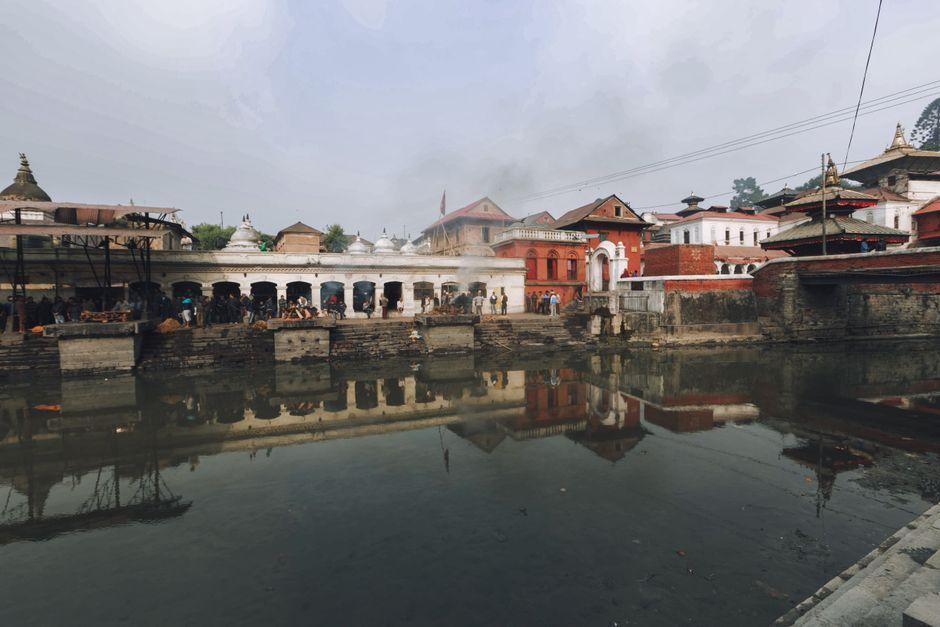
Discover the perfect time to explore Pashupatinath Temple Nepal for spiritual serenity, vibrant festivals, and timeless rituals.
Best Time to Visit Pashupatinath Temple
Introduction
Pashupatinath Temple Nepal stands as one of the world’s most spiritually charged sites, perched on the tranquil banks of the Bagmati River. This sacred Shiva temple, a UNESCO World Heritage site, draws pilgrims and curious travelers alike who seek a profound glimpse into Nepal’s living heritage. Whether you are fascinated by ancient rituals, the solemnity of cremation ghats, or the vibrant festivals that illuminate the night sky, timing your visit can transform a simple trip into an unforgettable spiritual adventure. In this guide, we explore the Best Time to Visit Pashupatinath Temple, practical travel advice, and respectful ways to experience this iconic landmark.
Climate Overview – When Does Pashupatinath Shine?
Autumn (September – November)
The post‑monsoon period offers clear skies, mild temperatures, and crisp air. Daytime highs hover around 25 °C (77 °F), while evenings cool down to a comfortable 15 °C (59 °F). The golden light of sunrise reflects off the river, creating perfect photo opportunities, and the atmosphere is ideal for walking the temple complex and participating in morning aartis.
Spring (March – May)
March marks the onset of Nepal’s spring festival season. Cherry blossoms and rhododendron forests add a splash of color to the Kathmandu valley. Temperatures rise gradually from 20 °C in early March to 30 °C by May. This period is especially rewarding for those who wish to witness the Bhai Tika and Holi festivities, which echo through the temple grounds.
Winter (December – February)
Winter brings cooler weather, with daytime temperatures around 18 °C (64 °F) and occasional night lows near 5 °C (41 °F). While the chill can be brisk, many visitors find the early morning mist over the Bagmati River breathtaking. However, be prepared for foggy mornings that may limit visibility for photography.
Monsoon (June – August)
The monsoon season douses Kathmandu in heavy rain, turning the river turbid and the temple pathways slippery. Although the atmosphere feels intensely mystical during downpours, travel logistics become challenging. Unless you specifically seek lush green scenery, most travelers opt to avoid this window.
What to Experience at Pashupatinath Temple
Ancient Rituals and Daily Aartis
Every day at dawn, the Mahadev and Gauri aartis illuminate the silver‑shingled roofs. The rhythmic chanting, the scent of incense, and the gentle flicker of oil lamps create a serene environment that transports visitors across centuries. The Bhairav aarti in the evening is equally compelling, especially during Maha Shivaratri, when the crowd swells to tens of thousands.
Cremation Ghats and Life‑Death Cycle
The western bank of the Bagmati is a living testament to Hindu beliefs about mortality. Observing the open cremation platforms, known as Ghats, offers a profound perspective on the cycle of life and death. Visitors are encouraged to maintain silence, dress modestly, and avoid photographing the actual cremation process out of respect.
Festivals That Define the Temple
- Maha Shivaratri (February–March): The biggest celebration, where devotees fast, chant, and circumambulate the temple.
- Teej (July–August): A monsoon festival honoring marital bliss, celebrated with processions and traditional songs.
- Diwali (October‑November): Lights and fireworks cascade across the river, casting a golden glow over the temple.
How to Reach Pashupatinath Temple
By Air
The nearest airport is Tribhuvan International Airport (TIA) in Kathmandu, roughly 5 km from the temple. Several international carriers serve TIA, and the airport is well‑connected to major Asian and European hubs.
By Road
Kathmandu’s public buses, taxis, and auto‑rickshaws provide convenient local transport. The temple is clearly signposted from the city center; most guides recommend taking a taxi to avoid traffic congestion, especially during peak hours (7‑12 AM and 5–9PM).
Public Transport Tips
- Cycle Rickshaws: Ideal for short trips within the temple vicinity.
- Metro: The Kathmandu Bagmati Metro is under construction; future lines will pass near Pashupatinath.
- Traffic: Allow extra time during monsoon when roads flood.
Accommodation Near Pashupatinath Temple
Luxury Hotels
- Hotel Himalaya: A 5‑star property with river views and easy access to the temple.
- The St. Regis Kathmandu: Offers exclusive spa treatments and culinary experiences.
Mid‑Range Options
- Hyatt Regency Kathmandu: Contemporary rooms, outdoor pool, and restaurant serving Nepali‑fusion cuisine.
- Kathmandu Marriott Hotel: Business‑focused amenities and a rooftop bar with panoramic views.
Budget Stays
- Guest House Nepal: Simple rooms, communal bathroom facilities, and a rooftop terrace.
- Lumbini Guest House: Located within walking distance of the temple, perfect for pilgrims seeking affordable lodging.
Travel Tips for a Respectful Visit
- Dress Code: Wear modest, loose clothing. Avoid shorts, tank tops, and revealing shirts. A shawl or scarf is useful for covering shoulders and knees when entering the inner sanctum.
- Footwear: Remove shoes before entering the main temple premises. Keep them in a designated pile, and do not wear socks inside the prayer halls.
- Photography: Photography is allowed in public areas but prohibited inside the main shrine. Never photograph cremation ghats or individuals engaged in private rituals.
- Entry Fees: There is no entrance fee for the temple complex. However, donations are expected for maintaining the site.
- Local Customs: Bow slightly or fold hands ("Namaste") when greeting locals. Avoid pointing feet toward the temple or the river.
- Environmental Consideration: Carry reusable water bottles and avoid single‑use plastics. The Bagmati River, though polluted, remains a sacred waterway; respect it by not discarding waste.
FAQs
Q: When is the best time to visit Pashupatinath Temple?
A: The ideal periods are autumn (September‑November) and spring (March‑May). These seasons offer comfortable weather, clear skies, and fewer crowds compared to monsoon or peak winter.
Q: Do I need a visa to visit?
A: Most nationalities can obtain a visa on arrival for up to 30 days. Ensure you have a valid passport and recent photograph.
Q: What should I wear?
A: Modest attire covering shoulders and knees. Comfortable walking shoes are recommended for navigating the temple steps and riverbank.
Q: Are there any restricted areas?
A: The inner sanctum is off‑limits to non‑Hindus. Cremation ghats are respectful spaces; refrain from photographing the actual rites.
Q: Can I bring offerings?
A: Yes, you can bring items like rice, milk, and bilva leaves. Priests accept offerings at the donation counters.
Practical Travel Advice
Entry and Permits
- No official tickets required.
- For groups larger than ten, consider arranging a guide through a reputable travel agency.
Health and Safety
- Altitude is not an issue in Kathmandu, but be mindful of pollution levels, especially during winter.
- Carry a basic medical kit for minor cuts and sun protection.
Money Matters
- The Nepalese rupee (NPR) is the local currency. ATMs are plentiful in the capital.
- Credit cards are accepted in most hotels and restaurants but not in small local eateries.
Communication
- International dialing code: +977.
- Wi‑Fi is widely available in cafés and hotels near the temple.
Local Cuisine
- Sample dal‑bhat, momo (dumplings), and sel roti for a true Nepali experience.
- Many restaurants near Pashupatinath offer vegetarian‑friendly dishes.
Conclusion
The Best Time to Visit Pashupatinath Temple hinges on experiencing Nepal’s spiritual heartbeat amid comfortable weather and cultural vibrancy. Whether you choose the crisp autumn days, the blossoming spring, or the cool winter evenings, each season gifts you a unique perspective on this sacred site. By respecting local customs, dressing modestly, and timing your visit wisely, you’ll walk the hallowed steps of Pashupatinath Temple Nepal with reverence and wonder. This ancient sanctuary, echoing with chants and the gentle flow of the Bagmati, remains a timeless destination that promises profound insight into Nepal’s enduring faith, traditions, and the eternal cycle of life.
Plan your trip now, immerse yourself in the divine aura, and let the timeless rituals of Pashupatinath leave an indelible mark on your travel story.