Discover the best time to visit Shey Phoksundo Lake, Nepal. Learn about seasonal weather, trekking tips, and how to plan your adventure to Dolpo's jewel.
Best Time to Visit Shey Phoksundo Lake: The Ultimate Guide to Dolpo’s Turquoise Jewel
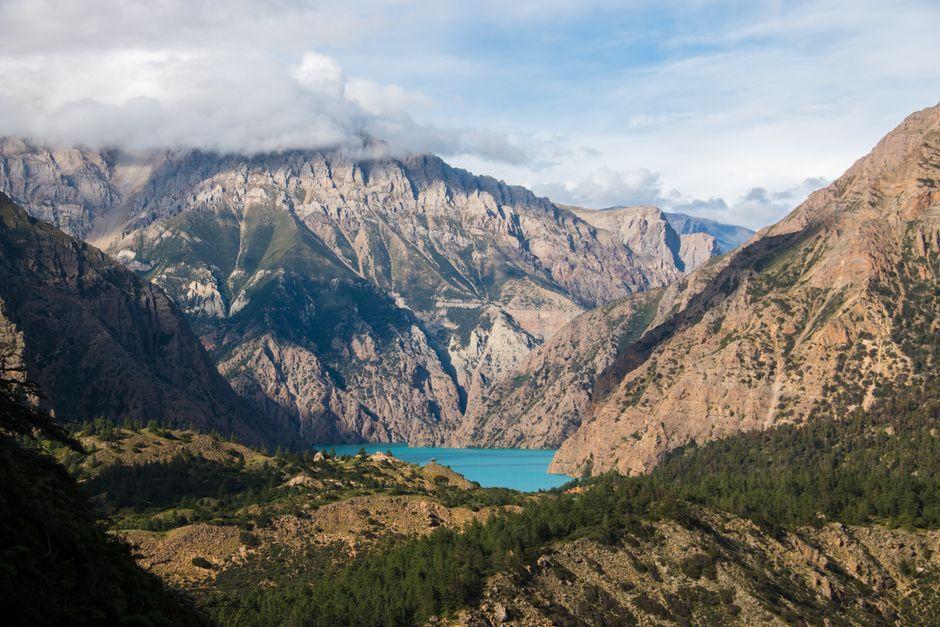
Nestled in the remote Dolpo region of northwestern Nepal, Shey Phoksundo Lake is a breathtaking turquoise lake that captivates trekkers with its pristine waters and dramatic mountain backdrop. At an altitude of 3,611 meters, this glacial jewel is the centerpiece of Shey Phoksundo National Park and offers a true off-the-beaten-path adventure for those seeking solitude and natural grandeur. Whether you are drawn by the vibrant color of the lake, the ancient Buddhist culture of Dolpo, or the challenge of a remote trek, Shey Phoksundo promises an unforgettable Himalayan experience.
However, because of its high altitude and extreme remoteness, timing your journey is critical. Planning a trip to this part of Nepal requires more than just packing warm clothes; it requires an understanding of the Himalayan weather patterns, seasonal accessibility, and the cultural rhythm of the Dolpo people. In this comprehensive guide, we will explore everything you need to know about finding the best time to visit Shey Phoksundo Lake and how to prepare for one of the most rewarding treks in the world.
Understanding the Geography of Shey Phoksundo Lake, Nepal
Before diving into the seasons, it is essential to understand where you are going. Shey Phoksundo Lake is located in the Upper Dolpo region, a high-altitude plateau characterized by trans-Himalayan landscapes. Unlike the lush, green valleys of the Everest or Annapurna regions, Dolpo is a high-altitude desert. The landscape is rugged, arid, and dominated by stark mountains and deep valleys.
This unique geography means that weather changes can be abrupt. The lake itself is fed by glacial meltwater, which directly influences its incredible turquoise hue. This color is most striking when the sunlight hits the minerals in the water under a clear sky. Because the region is so remote, logistics are difficult, and the window of opportunity to visit is much narrower than in more popular trekking circuits.
When is the Best Time to Visit Shey Phoksundo Lake?
When travelers ask about the best time to visit Shey Phoksundo Lake, the answer depends on whether they prioritize clear skies, manageable temperatures, or cultural immersion. Generally, there are two primary windows: the Autumn season and the Spring season.
1. The Autumn Season (Late September to November) — The Gold Standard
Autumn is widely considered the absolute best time to visit Shey Phoksundo Lake. Following the monsoon season, the atmosphere is scrubbed clean of dust and haze, resulting in unparalleled visibility.
- Why Autumn is Ideal: The skies are typically a deep, crisp blue, providing the perfect backdrop for photography. The visibility of the surrounding peaks, such as the Kanjirowa Himal, is at its peak.
- Temperature: Daytime temperatures are moderate and comfortable for trekking, though nights at 3,600m+ will be quite cold.
- Landscape: The landscape begins to show subtle hints of autumn colors, though the arid nature of Dolpo keeps it largely earthy in tone.
- Pros: Best visibility, stable weather, and clear views of the lake's turquoise water.
- Cons: It is the most popular time, so you may encounter more trekkers than in other seasons.
2. The Spring Season (Late March to May) — The Floral Awakening
Spring is the second-best window. As the snow begins to melt and the temperatures rise, the lower elevations of the Dolpo region start to bloom.
- Why Spring is Great: You will see more greenery and wildflowers in the lower valleys. The days are longer, providing more light for trekking.
- Weather Conditions: While the weather is generally stable, spring can occasionally bring unpredictable afternoon showers or lingering snow in high passes.
- Temperature: It is warmer than autumn during the day, making the physical exertion of trekking slightly easier, but the nights remain chilly.
- Pros: Beautiful flora, warmer days, and a sense of renewal.
- Cons: Potential for clouds obscuring the view of the lake and higher humidity.
3. The Monsoon Season (June to August) — The Avoidance Zone
We strongly advise against visiting Shey Phoksundo Lake during the monsoon. While much of Dolpo is in a rain shadow, making it drier than southern Nepal, the monsoon still brings significant challenges:
- Accessibility: Trails become slippery and prone to landslides.
- Visibility: Clouds and mist often shroud the mountains, making it difficult to see the lake or the peaks.
- Logistics: Flight schedules to nearby Jomsom or Nepalgunj can be highly unreliable due to weather.
4. The Winter Season (December to February) — The Extreme Challenge
Winter in Dolpo is extreme. High mountain passes are often blocked by deep snow, and temperatures can drop well below freezing even during the day.
- Who should go: Only highly experienced, high-altitude mountaineers or winter specialists should attempt this.
- Pros: Total solitude; you might have the entire landscape to yourself.
- Cons: Extreme cold, high risk of frostbite, and very limited access to food and supplies.
Detailed Seasonal Breakdown Table
| Season | Months | Weather Stability | Visibility | Temperature | Recommendation |
|---|---|---|---|---|---|
| Autumn | Sept - Nov | Very High | Excellent | Moderate/Cold | Highly Recommended |
| Spring | Mar - May | High | Good | Mild/Cool | Recommended |
| Monsoon | Jun - Aug | Low | Poor | Humid/Warm | Avoid |
| Winter | Dec - Feb | Low | Variable | Extreme Cold | Expert Only |
Essential Travel Tips for Shey Phoksundo
1. Prepare for Remote Logistics
There are no luxury lodges here. You will be trekking through villages where life is dictated by ancient traditions. Expect to stay in tea houses or tented camps. Because the region is so remote, you must carry or arrange for all your essential supplies, including fuel and specific dietary needs.
2. Acclimatization is Non-Negotiable
Shey Phoksundo Lake sits at 3,611 meters, but the trek to get there often involves crossing passes much higher (often above 4,000m or 5,000m). Do not rush. Incorporate "rest days" into your itinerary to allow your body to adjust to the thinning air. Symptoms of Acute Mountain Sickness (AMS) can be dangerous in such a remote area.
3. Respect the Buddhist Culture
Dolpo is a stronghold of Tibetan Buddhism. You will encounter many mani walls (stone carvings), prayer flags, and stupas. Always walk to the left of these sacred structures. Dress modestly, ask permission before taking photos of locals, and approach the local monasteries with reverence.
4. Permits and Regulations
Traveling to Shey Phoksundo requires specific permits, including the Upper Dolpo Restricted Area Permit and the Shey Phoksundo National Park entry permit. These cannot be obtained individually; you must go through a registered Nepalese trekking agency.
5. Pack Smart
- Layers: Use a moisture-wicking base layer, an insulating mid-layer (fleece or down), and a waterproof outer shell.
- Footwear: Sturdy, broken-in waterproof trekking boots are a must.
- Water Purification: Bring purification tablets or a UV filter. Do not rely on bottled water, as it is scarce and environmentally damaging in this region.
Top Things to Do Near Shey Phoksundo Lake
- Explore the Crystal Lake: Spend time sitting by the shore of the lake to witness the changing colors as the sun moves across the sky.
- Visit Shey Gompa: The ancient monastery near the lake is a spiritual hub. It is an incredible opportunity to witness local rituals.
- Wildlife Spotting: Keep an eye out for Himalayan Blue Sheep, Tibetan Gazelles, and if you are extremely lucky, the elusive Snow Leopard.
- Trek the High Passes: For the truly adventurous, the trek around the lake involves crossing challenging high-altitude passes that offer panoramic views of the Himalayas.
Frequently Asked Questions (FAQs)
Q: Is Shey Phoksundo Lake safe for solo travelers?
A: It is not recommended for solo travelers. Due to the restricted area permits and the extreme remoteness, you are legally required to have a guide and a minimum number of trekkers in your group.
Q: How much does a trek to Shey Phoksundo cost?
A: It is one of the more expensive treks in Nepal due to the permit costs, the need for specialized guides/porters, and the logistical difficulty of reaching Dolpo. Budget accordingly for a high-quality experience.
Q: Can I see Shey Phoksundo Lake in the winter?
A: While technically possible for elite expeditions, it is extremely difficult and dangerous due to snow-blocked passes and extreme temperatures.
Q: What is the best way to reach the Dolpo region?
A: Most trekkers fly from Kathmandu or Pokhara to Nepalgunj, then take a domestic flight to Juphal (Jomsom or Talcha), which serves as the gateway to the Dolpo trekking routes.
Conclusion
Finding the best time to visit Shey Phoksundo Lake is the difference between a struggle against the elements and a spiritual journey through one of the last true wildernesses on Earth. If you seek clarity, stunning photography, and stable trekking conditions, aim for the Autumn months of October and November. If you prefer blooming landscapes and slightly warmer days, Spring is your best bet.
Shey Phoksundo Lake, Nepal, is not just a destination; it is a test of endurance and a reward for the soul. By planning your trip around the right season and respecting the rugged nature of the Dolpo region, you will unlock an experience that stays with you long after you have descended from the Himalayas.