Discover the best time to explore Solukhumbhu Everest region for treks to base camp and Namche Bazaar with expert travel tips and seasonal insights.
Best Time to Visit Solukhumbhu (Everest Region) Nepal
Introduction
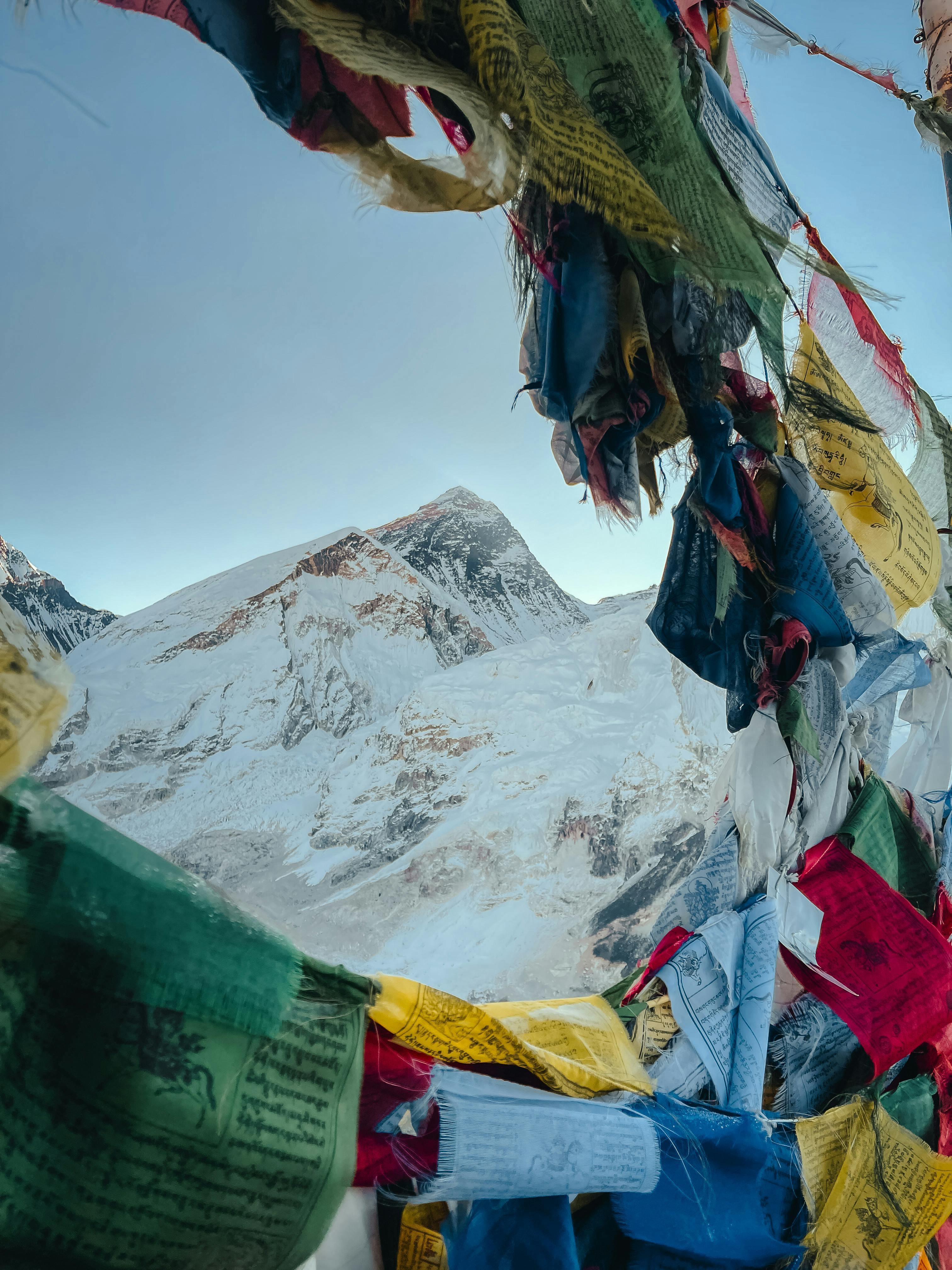
Nestled in the heart of the Himalayas, Solukhumbhu (Everest Region) Nepal is a trekker’s paradise. With iconic peaks like Mount Everest looming in the distance and pristine trails winding through remote villages, this region offers an unforgettable journey into the soul of the Himalayas. Whether you’re trekking to Everest Base Camp (EBC), exploring Namche Bazaar, or simply soaking in the panoramic views, timing your visit strategically is crucial to maximize comfort and safety. This guide will help you uncover the best time to visit Solukhumbhu, along with essential travel advice for navigating this majestic region.
Understanding Solukhumbhu (Everest Region)
Location and Significance
Solukhumbhu is a remote district in Nepal’s Sankhuwasabha County, bordering the Tibetan Autonomous Region of China. It serves as a gateway to the Everest Region, connecting trekkers to the famous Everest Base Camp trek and the vibrant Sherpa villages like Namche Bazaar. The region is home to traditional Sherpa culture, ancient monasteries, and some of the world’s highest peaks, including Everest (8,848m) and Lhotse (8,516m).
Key Trekking Routes
- Everest Base Camp (EBC) Trek: A 14-day journey starting from Lukla, this route explores the Khumbu Valley, passing through villages like Phakding, Namche Bazaar, and Tengboche.
- Namche Bazaar Trek: A shorter, acclimatization-focused trek ideal for experiencing Sherpa culture and mountain vistas.
- Gokyo Lakes Trek: For adventurous travelers, this route offers turquoise lakes and views of Everest’s north face.
Weather and Climate in Solukhumbhu
The Everest Region experiences a high-altitude climate with four distinct seasons:
1. Spring (March - May)
- Weather: Mild daytime temperatures (10-15°C), cold nights (-5 to 5°C), and clear skies.
- Pros: Blooming rhododendrons, fewer crowds, and ideal trekking conditions.
- Cons: Occasional pre-monsoon showers.
2. Summer (June - August)
- Weather: Warm days (15-20°C) but frequent monsoon rains and landslides.
- Pros: Lush greenery, vibrant waterfalls.
- Cons: Heavy rains, muddy trails, and limited visibility due to clouds.
3. Autumn (September - November)
- Weather: Cool, dry days (5-15°C) with clear skies and excellent visibility.
- Pros: Best for photography, stable trekking conditions, and clear views of Everest.
- Cons: Crowds peak during this season.
4. Winter (December - February)
- Weather: Extremely cold (-10 to 5°C) with occasional snowfall.
- Pros: Fewer tourists, serene landscapes.
- Cons: Challenging trekking conditions, road closures to Lukla.
Best Time to Visit Solukhumbhu (Everest Region)
Prime Trekking Seasons
1. Pre-Monsoon (March - May)
- Highlight: Spring offers the most pleasant trekking conditions, with blooming rhododendrons and stable weather. Namche Bazaar buzzes with activity, and the Khumbu Icefall is passable for experienced trekkers.
2. Post-Monsoon (September - November)
- Highlight: Autumn is widely considered the best time to visit Solukhumbhu. Clear skies, low humidity, and comfortable temperatures make this season ideal for acclimatization and enjoying panoramic views. The famous Everest Base Camp Trek is most accessible during this period.
Shoulder Seasons
- Winter (December - February): Suitable for seasoned trekkers with proper gear. Expect icy trails but enjoy solitude and unique winter landscapes.
- Monsoon (June - August): Avoid unless you’re a rain lover. Trekking conditions are harsh, and visibility is poor.
Trekking to Everest Base Camp (EBC)
Route and Duration
The classic EBC Trek starts from Lukla (2,860m), a small airport accessible by domestic flights from Kathmandu. The 14-day trek takes you through high-altitude villages, glacial moraines, and ancient monasteries. Key stops include:
- Phakding (2,610m): The first overnight stop after Lukla.
- Namche Bazaar (3,440m): A bustling Sherpa town for acclimatization and cultural immersion.
- Tengboche (3,870m): Home to the iconic Tengboche Monastery.
- Everest Base Camp (5,364m): The ultimate destination for many trekkers.
Acclimatization Tips
- Spend Extra Days: Add 2-3 days for acclimatization in Namche Bazaar.
- Hydrate: Drink plenty of water to prevent altitude sickness.
- Move Slowly: Ascend gradually to allow your body to adjust.
Exploring Namche Bazaar
Namche Bazaar, the largest settlement in the Everest Region, is a must-visit for its cultural richness and stunning location at 3,440m. Highlights include:
- Sherpa Culture: Interact with local communities and learn about their traditions.
- Shopping: Purchase handicrafts, pashmina, and trekking gear.
- Acclimatization Activities: Hike to nearby villages like Khunde or visit the Khumbu Glacier for breathtaking views.
Travel Advice for Solukhumbhu
Permits and Regulations
- TIMS Card: Required for all trekkers (US$10 for foreigners).
- ACAP Permit: Mandatory for the Everest Region (US$20 for foreigners).
- Visa: Obtain a Nepal Tourist Visa at the airport (valid for 30 days).
Transportation and Logistics
- Flights to Lukla: Book in advance; flights are weather-dependent.
- Guides and Porters: Hiring a licensed guide is recommended for navigation and safety.
Packing Essentials
- Layer Clothing: Thermal base layers, fleece, and waterproof jackets.
- Footwear: Sturdy, broken-in hiking boots.
- Health Kit: Altitude sickness medication (Diamox), first-aid supplies.
Frequently Asked Questions (FAQs)
1. When is the best time to visit Solukhumbhu for the Everest Base Camp Trek?
Answer: The best times are March-May (spring) and September-November (autumn). October is particularly ideal for clear skies and comfortable temperatures.
2. How long does the Everest Base Camp Trek take?
Answer: The trek typically takes 14-18 days for the standard route, including acclimatization days.
3. Do I need a guide for the Namche Bazaar Trek?
Answer: While not mandatory, hiring a licensed guide is highly recommended for safety and navigation.
4. What are the main challenges of trekking in Solukhumbhu?
Answer: High altitude, unpredictable weather, and remote terrain require careful planning and preparation.
5. Can I visit Solukhumbhu in winter?
Answer: Yes, but expect snow-covered trails and limited flight availability to Lukla. Best for experienced trekkers.
Practical Travel Tips
- Book Flights Early: Lukla flights are often canceled due to weather.
- Carry Cash: ATMs are scarce in remote areas.
- Respect Local Culture: Dress modestly and seek permission before photographing locals.
- Practice Responsible Tourism: Follow the Leave No Trace principles to preserve the region’s fragile ecosystem.
Conclusion
Solukhumbhu (Everest Region) Nepal is a destination that demands respect for both its natural beauty and cultural heritage. By timing your visit during the prime trekking seasons (spring or autumn) and preparing adequately, you can embark on an adventure filled with awe-inspiring landscapes, meaningful interactions, and personal growth. Whether trekking to Everest Base Camp, exploring Namche Bazaar, or simply marveling at the Himalayas, Solukhumbhu promises an unforgettable journey. Plan wisely, pack smart, and let the magic of the Everest Region unfold before you.
—