
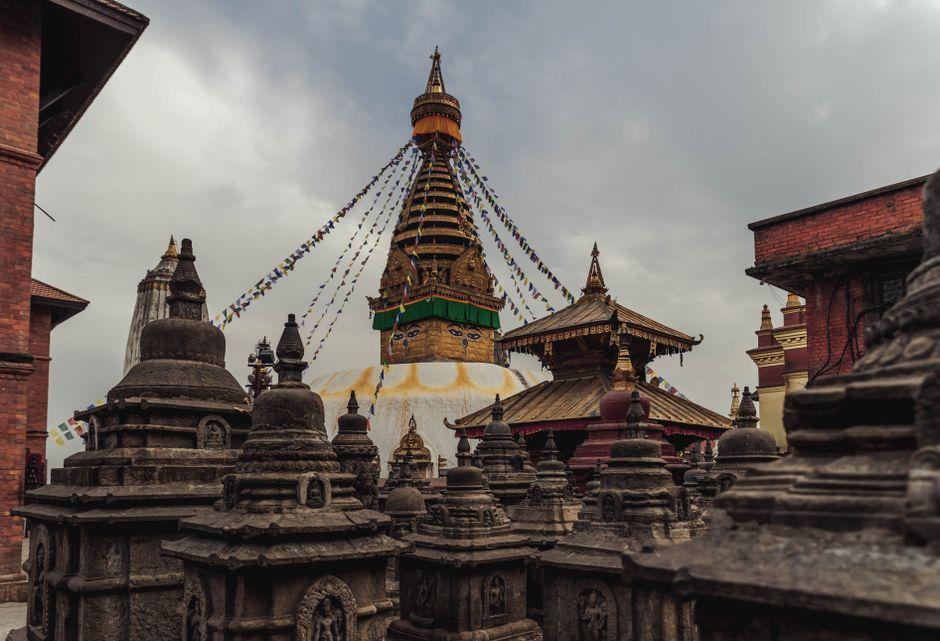
Discover the best time to visit Swayambhunath Stupa Nepal with seasonal advice travel tips and cultural insights for an unforgettable experience.
Best Time to Visit Swayambhunath Stupa
Perched atop a verdant hill overlooking the bustling Kathmandu Valley, Swayambhunath Stupa stands as one of Nepal's most iconic spiritual landmarks. Known colloquially as the Monkey Temple, this ancient UNESCO World Heritage Site blends Buddhist and Hindu traditions, offering visitors a serene yet vibrant atmosphere. Whether you are a pilgrim, a photographer, or a curious traveler, understanding the best time to visit Swayambhunath Stupa is key to experiencing its full magic. In this comprehensive guide we will explore seasonal weather crowd patterns festival calendars and practical tips to help you plan your journey perfectly.
What Is Swayambhunath Stupa?
Swayambhut literally self existent is believed to be over 2500 years old. The white domed stupa topped with a gilded spire and the all seeing eyes of Buddha watches over the valley below. Surrounded by prayer wheels chaityas and mischievous monkeys the site is a living museum of Newar culture and spirituality. Visitors climb 365 steps one for each day of the year to reach the plateau where the panoramic view of Kathmandu Patan and the surrounding hills is simply unbeatable.
Best Time to Visit Swayambhunath Stupa Seasonal Breakdown
Spring March to May
Spring is widely considered the best time to visit Swayambhunath Stupa. The weather is mild with temperatures ranging from 15°C to 25°C. Rhododendrons bloom across the hills painting the landscape in vivid reds and pinks. The sky is generally clear offering stunning visibility for photography. This season also marks the lead up to Buddha Jayanti the celebration of Buddha's birth enlightenment and passing which draws devotees from across the region. If you do not mind moderate crowds spring provides the most pleasant overall experience.
Summer and Monsoon June to August
Summer coincides with the monsoon season in Kathmandu. Temperatures hover between 20°C and 28°C and afternoon thunderstorms are common. The lush greenery is at its peak but frequent rain can make the stone steps slippery and the pathways muddy. Monsoon also brings higher humidity which may feel uncomfortable for some visitors. However this season sees the fewest tourists meaning you will have the site almost to yourself if you do not mind the rain. Just pack a waterproof jacket and quick dry shoes.
Autumn September to November
Autumn is another peak season and for good reason. The monsoon rains taper off by late September leaving the air crisp and the skies beautifully clear. Temperatures are comfortable ranging from 10°C to 23°C. This is when major festivals like Dashain and Tihar unfold filling the stupa with colorful decorations butter lamps and vibrant rituals. The atmosphere is electric but expect larger crowds and higher accommodation prices in Kathmandu. If you want to experience Swayambhunath at its most festive autumn is the time to go.
Winter December to February
Winter brings cooler temperatures often dropping to 2°C at night and reaching 12°C during the day. The skies are usually clear offering breathtaking views but the chill can be biting especially in the early morning and late afternoon. Frost is rare but possible on the highest points. Winter is the least crowded season making it ideal for those seeking solitude. Just dress in layers and bring a warm coat for the ascent. The stark snow dusted Himalayas on the horizon create a magical contrast against the white stupa dome.
Weather Patterns and What to Expect
The Kathmandu Valley enjoys a temperate climate but microclimates vary. Swayambhunath's hilltop location means it can be windier and slightly cooler than the city below. Rainfall is heaviest from June to September while the dry season spans October to May. Humidity is moderate year round but the monsoon months bring the highest levels. Regardless of when you visit mornings are typically clearer and less crowded while afternoons may see groups of tourists and pilgrims arriving after sightseeing in the valley.
Crowds Festivals and Special Events
Understanding the festival calendar enhances any visit. Buddha Jayanti April May transforms the stupa with butter lamps chanting and a sea of devotees in white. Dashain October November and Tihar October November bring similar fervor with families offering flowers incense and tika vermillion blessings. During these times the atmosphere is profoundly spiritual but the pathways can become congested. If your goal is photography and quiet reflection aim for weekdays outside of festival periods. For cultural immersion however festival visits are unparalleled.
Practical Information Hours Entry Fees and Location
Swayambhunath is open daily from 9:00 AM to 6:00 PM but many locals and devout pilgrims access the site as early as 7:00 AM for morning prayers. The entry fee for foreign visitors is approximately NPR 200 including a small donation for site maintenance. SAARC citizens pay a reduced fee. The site is located about 4 kilometers northwest of Kathmandu city center; taxis local buses and guided tours easily reach the base. From there the climb begins. Wear comfortable shoes as the 365 step ascent is a workout especially in humid or hot weather.
What to Wear and Bring
Dress modestly out of respect for the religious nature of the site. Shoulders and knees should be covered and shoes must be removed before entering certain shrine areas. Layers are recommended as temperatures can shift from warm at the base to cool at the summit. Essentials to pack include:
- A reusable water bottle there are tap water stations but bring your own filter if needed
- Sunscreen and a hat for sun protection
- Insect repellent especially during monsoon months
- A small flashlight or phone torch for exploring darker shrines
- Cash for offerings incense or donation boxes
Cultural Etiquette at Swayambhunath
Respect is paramount at Swayambhunath. Always walk clockwise around the stupa and avoid pointing your feet toward the Buddha eyes. Photography is welcome but always ask permission before photographing monks or devotees in prayer. Monkeys are abundant and can be bold keep your belongings zipped and avoid feeding them. If you are spinning prayer wheels do so in a clockwise direction as well. Remember this is an active place of worship not merely a tourist attraction.
Nearby Attractions to Enhance Your Trip
The Swayambhunath area is rich with complementary sites. Just a short walk downhill is the Kasthamandap a legendary wooden structure believed to be made from a single tree. The surrounding Bouddhanath Stupa another massive Buddhist monument offers a quieter alternative if Swayambhunath feels too crowded. Art lovers can explore the Thamel district's galleries or venture to Patan Durbar Square for medieval Newar architecture. For a nature break Shivapuri Nagarjun National Park offers hiking trails with panoramic valley views.
FAQs
Q: Is Swayambhunath the same as the Monkey Temple?
A: Yes the nickname Monkey Temple comes from the resident rhesus macaques that inhabit the hilltop. While the name is popular with tourists locals and practitioners prefer Swayambhunath or Swayambhu.
Q: What is the best time of day to visit?
A: Early morning around opening time is ideal for avoiding crowds and capturing the best light for photos. The sunrise view over the valley is particularly spectacular.
Q: Are there guided tours available?
A: Many local guides offer half day tours that include Swayambhunath Kasthamandap and nearby cultural sites. Hiring a guide enriches the experience with historical context and stories you would not find in guidebooks.
Q: Can I visit Swayambhunath during religious festivals?
A: Absolutely. Festivals are a highlight but expect larger crowds longer wait times and more vibrant but noisier rituals. Dress respectfully and be prepared for crowds.
Q: Is the site accessible for people with mobility issues?
A: The traditional route involves climbing 365 steps. However there is an alternative path via the western side that is less steep though still uneven. It is best to inquire locally about the most accessible route.
Travel Tips for Swayambhunath Stupa
- Arrive at sunrise: You will beat the crowds enjoy cooler temperatures and witness the stupa awakening with morning prayers.
- Bring small denominations of Nepali rupees: For offerings incense and donations many vendors do not accept large notes or foreign currency.
- Stay hydrated: The ascent can be taxing especially in summer. Carry water and sip regularly.
- Respect the monkeys: They are entertaining but mischievous. Keep food out of sight and avoid direct eye contact.
- Combine with Bouddhanath: Visiting both stupas in one day gives you a broader perspective of Kathmandu Valley's Buddhist heritage.
- Check the lunar calendar: Many Hindu and Buddhist events follow the lunar cycle so festival dates shift yearly. A quick check before your trip will help you align your visit with desired events.
- Use a local SIM card: For offline maps and ride hailing apps which work reliably in Kathmandu Valley.
Conclusion
Swayambhunath Stupa is more than a hilltop landmark it is a living testament to Nepal's spiritual depth and natural beauty. By choosing the best time to visit Swayambhunath Stupa whether you seek spring blossoms autumn festivals winter solitude or monsoon tranquility you will tailor your experience to match your travel style. Combine practical preparation with cultural respect and your visit will be not just a tick on a checklist but a meaningful journey into the heart of the Kathmandu Valley. Pack your bags lace up your walking shoes and let the all seeing eyes of Swayambhunath guide your adventure.