
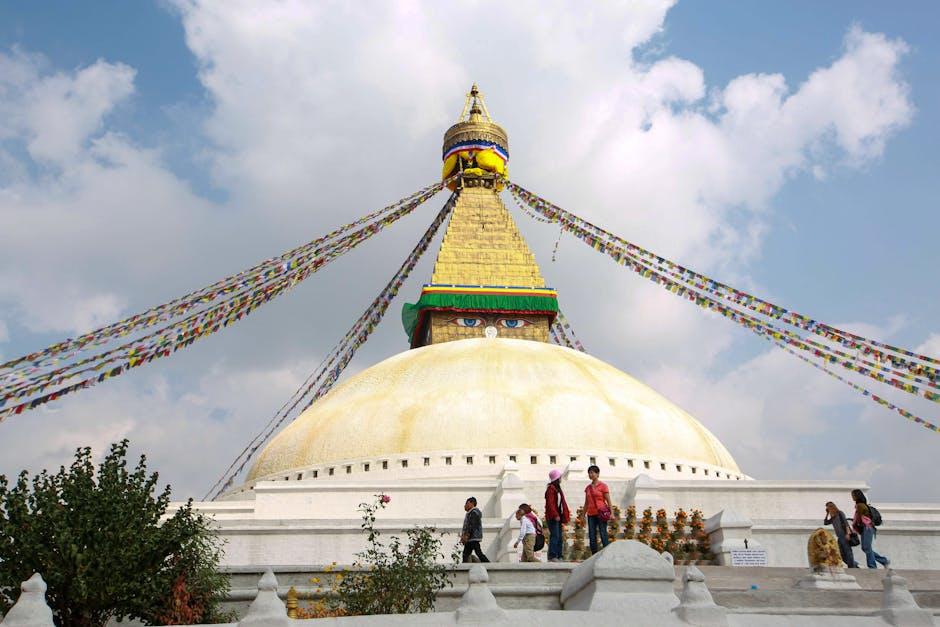
Discover the magic of Boudhanath Stupa, Nepal. Our complete guide covers history, best time to visit, cultural tips, and practical advice for your trip.
Complete Travel Guide to Boudhanath Stupa
Boudhanath Stupa Nepal
Introduction: The Spiritual Heart of Kathmandu
Nestled in the vibrant chaos of the Kathmandu Valley, there lies a sanctuary of profound peace, color, and ancient tradition. If you are looking for the soul of Kathmandu, look no further than the Boudhanath Stupa Nepal. As one of the largest stupas in the world, this UNESCO World Heritage site is more than just an architectural marvel; it is the beating heart of the Tibetan Buddhist community in Nepal.
For many, visiting Boudhanath is a pilgrimage. For others, it is an opportunity to witness the mesmerizing ritual of kora (circumambulation) as monks and devotees walk clockwise around the massive white dome. Whether you are a spiritual seeker looking for mindfulness, a photographer hunting for the perfect golden hour shot, or a culture enthusiast wanting to dive into Tibetan traditions, this Complete Travel Guide to Boudhanath Stupa will ensure your journey is transformative and seamless.
—
The History and Significance of Boudhanath
The Architecture of Enlightenment
The design of the Boudhanath Stupa is a physical representation of the path to enlightenment. Each component of the structure holds deep symbolic meaning:
- The Base: Represents the earth.
- The Dome: Represents the water.
- The Spire: Symbolizes the fire.
- The Thirteen Steps: Represents the thirteen stages of enlightenment required to reach the pinnacle.
- The Eyes of Buddha: The most striking feature, these "all-seeing eyes" look out in all four directions, symbolizing the wisdom and compassion of the Buddha.
A Tibetan Cultural Hub
While Kathmandu is the capital of Nepal, Boudhanath serves as a cultural enclave for the Tibetan diaspora. Following the historical migration of Tibetans into Nepal, this area has evolved into a bustling hub of monasteries, prayer halls, and shops selling traditional handicrafts. This makes Boudhanath unique; it doesn't feel like a museum, but a living, breathing community where the scent of juniper incense and the sound of chanting bells are constant companions.
—
Best Time to Visit Boudhanath Stupa Nepal
Nepal's weather plays a significant role in your travel experience. To make the most of your trip to Boudhanath, consider these seasonal guidelines:
Spring (March to May)
This is arguably the best time to visit. The weather is pleasant, and the sky is often clear, providing excellent visibility for photography. This is also when several local festivals occur, adding vibrant layers to the atmosphere.
Autumn (September to November)
Post-monsoon, the air is crisp and the skies are incredibly clear. This is the peak tourist season. While it is busier, the views of the surrounding valley are unparalleled, and the spiritual energy is palpable during religious festivals.
Winter (December to February)
If you prefer cooler temperatures and fewer crowds, winter is an option. However, be prepared for morning mist and occasional chilly winds.
Summer/Monsoon (June to August)
The monsoon season brings heavy rains. While the stupa looks beautiful in the rain, many of the outdoor activities (like rooftop dining) might be limited by the weather.
—
Top Things to Do in Boudhanath
1. Perform the Kora (Circumambulation)
To experience Boudhanath like a local, join the devotees in the kora. This involves walking clockwise around the stupa. You will see locals spinning prayer wheels and chanting mantras. It is a meditative practice that creates a sense of unity among everyone present.
2. Explore the Surrounding Monasteries
Don't just stay near the stupa. Wander into the narrow alleys to find hidden monasteries (Gompas). Many of these allow visitors to observe prayer ceremonies. Remember to always ask for permission before photographing monks or sacred rituals.
3. Rooftop Café Hopping
One of the most iconic experiences in Boudhanath is dining on a rooftop cafe overlooking the stupa. As the sun sets, the golden spire glows, and the smell of butter lamps wafts through the air. It is the perfect place to reflect on your day.
4. Shop for Authentic Tibetan Artifacts
From singing bowls and prayer flags to intricate Thangka paintings and hand-woven carpets, the shops around Boudhanath offer high-quality Tibetan crafts. It is an excellent place to find meaningful souvenirs.
—
Practical Travel Advice for Your Trip
Getting There
Boudhanath is located on the eastern side of Kathmandu.
- By Taxi/Rideshare: This is the easiest way. Use apps like Pathao or Indrive to get a fair price.
- By Bus/Microbus: Local public transport is very cheap but can be crowded and hectic.
- Walking: If you are staying in the Boudhanath area, walking is the best way to explore the narrow, pedestrian-friendly alleys.
Respectful Etiquette
Since this is a sacred site, following local customs is essential:
- Dress Modestly: Ensure your shoulders and knees are covered when entering monasteries or walking near the stupa.
- Walk Clockwise: Always walk in a clockwise direction around the stupa and any religious structures.
- Photography: Always ask permission before taking photos of people praying or inside temples.
- Shoes: You must remove your shoes before entering any temple or monastery.
Budgeting and Expenses
Boudhanath is relatively affordable compared to European or American destinations.
- Meals: You can find budget-friendly Dal Bhat (the Nepali staple) for $4-$7, while high-end rooftop dining might cost $15-$30 per person.
- Souvenirs: Prices can be negotiated, but avoid aggressive haggling; aim for a fair price for both parties.
—
Essential Travel Tips
- Carry Cash: While some high-end cafes accept cards, most small shops and street vendors only accept Nepalese Rupees (NPR).
- Stay Hydical: Kathmandu can be dusty. Always carry a reusable water bottle (look for filtration stations to reduce plastic waste).
- Download Offline Maps: The alleys around the stupa can be a labyrinth. Google Maps offline can save you a lot of time.
- Timing is Everything: Visit in the early morning for a serene experience, or late afternoon to see the evening prayers and enjoy the sunset.
- Stay Nearby: To truly feel the magic of Boudhanath, book a hotel or guesthouse within walking distance of the stupa.
—
Frequently Asked Questions (FAQs)
Is there an entry fee for Boudhanath Stupa?
There is generally no entry fee to walk around the stupa itself, but some specific monasteries or museums in the area may charge a small fee.
Can I climb the stupa?
No. For religious and structural reasons, climbing the stupa is strictly forbidden. You should only walk around the base.
Is Boudhanath safe for solo travelers?
Yes, Boudhanath is generally safe for solo travelers, including women. However, as with any tourist destination, stay aware of your surroundings and keep an eye on your belongings in crowded areas.
What is the best food to try in Boudhanath?
Tibetan cuisine is a highlight. Try Momos (dumplings), Thukpa (noodle soup), or Tsampa (barley flour) for an authentic experience.
—
Conclusion
Boudhanath Stupa Nepal is more than just a landmark; it is a profound experience that engages all the senses. From the mesmerizing sight of the Buddha's eyes to the rhythmic sound of chanting and the delicious aromas of Tibetan cuisine, it is a place that stays with you long after you have left its sacred perimeter. By following this Complete Travel Guide to Boudhanath Stupa, you are now equipped to navigate this incredible site with respect, curiosity, and ease. Pack your bags, bring an open mind, and prepare to be enchanted by the magic of Boudhanath.