
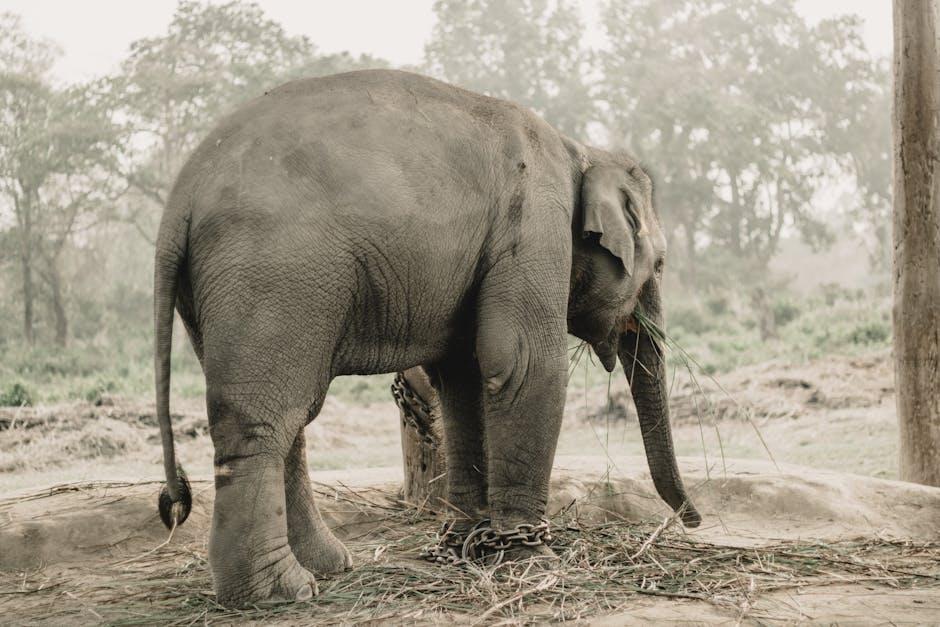
Discover Chitwan National Park with this complete guide, featuring wildlife, activities, travel tips, and more for an unforgettable adventure.
Complete Travel Guide to Chitwan National Park
Introduction
Chitwan National Park, a UNESCO World Heritage site, is a gem nestled in the Terai region of Nepal. Renowned for its rich biodiversity, this national park offers an unforgettable experience for wildlife enthusiasts and adventurers. From encounters with the one-horned rhinoceros to glimpses of the elusive royal Bengal tiger, Chitwan is not just a park; it's a rendezvous with nature at its best.
Come explore the vibrant ecosystem that includes lush greenery, flowing rivers, and a variety of habitats teeming with wildlife. This complete travel guide to Chitwan National Park will provide insights into what to expect, how to plan your trip, and tips for making the most of your adventure.
Overview of Chitwan National Park
History and Background
Founded in 1973 and declared a UNESCO World Heritage site in 1984, Chitwan National Park was established as a conservation area to protect a variety of endangered species and their habitats. Spanning approximately 932 square kilometers, it is home to an array of flora and fauna, making it one of the richest wildlife areas in Asia.
Geographic Features
Chitwan is characterized by its diverse landscape, including grasslands, forests, and rivers. The park is situated in the southern part of Nepal, adjacent to the Indian border, and is intersected by the Rapti and Narayani rivers, which play crucial roles in the ecosystem.
Wildlife in Chitwan National Park
Key Species
- One-Horned Rhinoceros: The park is famous for its population of rhinoceroses, which are primarily found in the grasslands and riverine forests.
- Royal Bengal Tiger: The elusive tiger can be spotted in the dense jungles of Chitwan, making safaris a thrilling experience.
- Bird Species: Over 500 species of birds including the endangered gharial crocodile and the vibrant peacock attract birdwatchers from all over the globe.
Best Time to Visit
The best time to visit Chitwan National Park is from October to March when the weather is pleasant, and animal sightings are more frequent. The monsoon season usually runs from June to September, which can cause flooding and limit access.
Activities and Experiences
Jungle Safaris
Embark on a thrilling jungle safari either on foot, by jeep, or on an elephant. Each method offers a unique perspective and experience of the park's stunning landscapes and wildlife. Guided tours are recommended for safety.
Bird Watching
With its diverse birdlife, Chitwan is a paradise for bird watchers. Early morning is the best time to catch sight of rare bird species and hear their melodic calls.
Cultural Experiences
Engage with the local Tharu community and learn about their traditional lifestyles, culture, and their harmonious coexistence with nature. Visit a Tharu village for an immersive experience.
Canoeing
Take a canoe ride on the Rapti River and glide past crocodiles basking on the riverbanks while enjoying the tranquility of the surroundings.
Nature Walks
Guided nature walks offer a more intimate way to explore the forest, allowing you to discover small animals, plants, and learn about the ecosystem.
Useful Travel Advice
Entry Requirements
Foreign visitors require a valid passport and may need a visa, which can typically be obtained upon arrival. Make sure to check the latest policies before travel.
Health and Safety
Consider getting vaccinations for diseases like hepatitis A, typhoid, and tetanus. Malaria prophylaxis is also recommended. Travel insurance is strongly advised due to the potential for medical emergencies.
Accommodation
Choose from a range of accommodations, including luxury hotels, safari lodges, and budget guesthouses. Popular options include:
- Tigerland Safari Resort: Offers both luxury and adventure.
- Chitwan Village Resort: A more budget-friendly option that also provides a local experience.
Getting There
Chitwan National Park is accessible via road or domestic flights. The nearest major airport is in Bharatpur, which is about 20 km from the park. Buses and taxis are frequently available from Kathmandu and Pokhara.
Suggested Itinerary
- Day 1: Arrive in Bharatpur, transfer to Chitwan, and explore local Tharu culture.
- Day 2: Morning jungle safari and canoeing in the afternoon.
- Day 3: Bird watching early in the morning followed by lunch and departure.
FAQs
What animals can I expect to see in Chitwan National Park?
Expect to see one-horned rhinoceroses, Bengal tigers, elephants, deer, various bird species, and gharial crocodiles.
Is it safe to visit Chitwan National Park?
Yes, as long as you follow park regulations and have a guided safari. Always keep a safe distance from wild animals.
Can I visit Chitwan National Park during the monsoon season?
While you can visit during the monsoon season, heavy rainfall may limit access to certain areas and affect your experience.
Do I need a guide for jungle safaris?
Yes, hiring a guide is advisable for safety and to enhance your experience by having someone knowledgeable about the park's wildlife.
Travel Tips
- Pack Accordingly: Lightweight clothing, good walking shoes, binoculars for bird watching, and insect repellent are essential.
- Be Respectful of Wildlife: Maintain a safe distance and adhere to all park guidelines to ensure the safety of both visitors and wildlife.
Conclusion
Chitwan National Park is a treasure trove of natural beauty and wildlife experiences that will leave you in awe. From breathtaking safaris to cultural interactions with local communities, your journey here will be filled with adventure and profound connections to nature. Whether you are a first-time visitor or returning to absorb more of its wonders, this complete travel guide to Chitwan National Park will help you plan your visit for an unforgettable adventure in the heart of Nepal.