Discover the hidden gem of Nepal with our Complete Travel Guide to Dhorpatan Hunting Reserve. Explore wildlife, trekking, and pristine mountain landscapes.
Complete Travel Guide to Dhorpatan Hunting Reserve
Discover the Untamed Majesty of Dhorpatan Hunting Reserve, Nepal
Are you tired of the crowded trails of Everest and Annapurna? Are you searching for a destination that remains untouched by the heavy footprints of mass tourism? If you crave raw, unfiltered nature and the silence of the high mountains, then this Complete Travel Guide to Dhorpatan Hunting Reserve is your gateway to one of Nepal's best-kept secrets.
Located in the Lumbini Province, the Dhorpatan Hunting Reserve Nepal represents a unique ecological sanctuary. As the only hunting reserve in the country, it offers a landscape unlike any other—a sprawling mosaic of alpine pastures, dense forests, and rugged mountain terrain. This is not just a destination; it is an experience for the soul, designed for trekkers, wildlife photographers, and adventurers who seek solitude amidst pristine landscapes and rare mountain species.
Understanding the Uniqueness of Dhorpatan Hunting Reserve
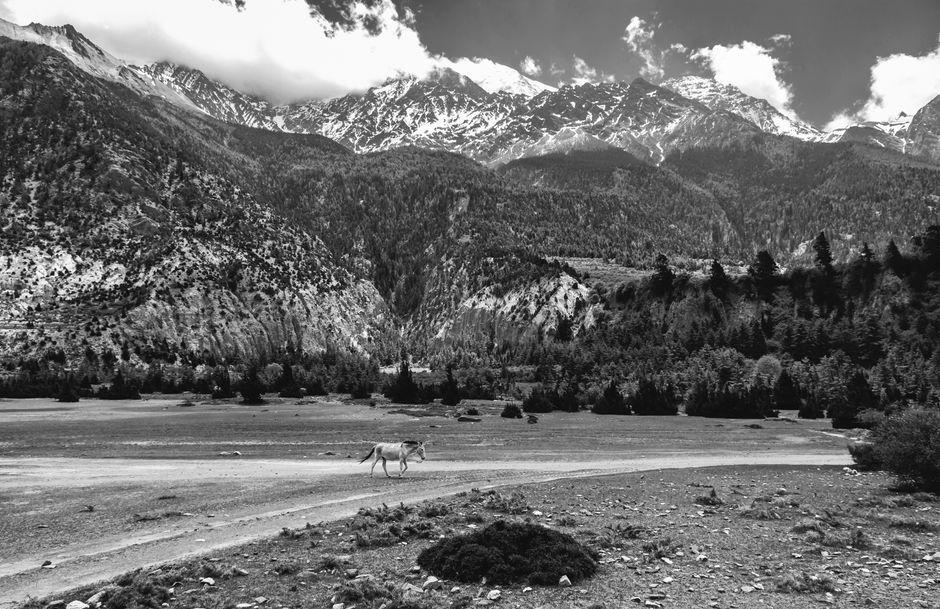
Dhorpatan is fundamentally different from Nepal's national parks like Chitwan or Sagarmatha. While those parks are often geared toward large-scale safari tourism, Dhorpatan remains a niche, high-altitude sanctuary. It is characterized by its massive high-altitude meadows (pashis) and the dramatic backdrop of the Dhaulagiri and Annapurna ranges.
Historically significant for its controlled hunting, the reserve is now primarily a destination for wildlife observation and high-altitude trekking. This transition has allowed the ecosystem to flourish, making it a sanctuary for species that are increasingly rare in other parts of the Himalayas.
Top Activities in Dhorpatan Hunting Reserve
1. Wildlife Observation and Photography
For the wildlife enthusiast, Dhorpatan is a goldmine. Because the reserve is relatively quiet, animals are less stressed by human presence. Keep your eyes peeled for:
- Himalayan Blue Sheep (Bharal): Often seen grazing on the steep slopes.
- Musk Deer: A shy species that calls these high altitudes home.
- Himalayan Tahr: Iconic mountain dwellers.
- Avian Species: From the Danphe (Impeyan Pheasant) to various eagles and vultures.
2. High-Altitude Trekking
The terrain of the reserve is perfect for those who enjoy rugged, non-commercialized trekking. Unlike the well-marked trails of the Annapurna Circuit, paths in Dhorpatan often require navigation skills and a sense of adventure. You will traverse through rhododendron forests, cross crystal-clear streams, and ascend into high-altitude grasslands that feel like the edge of the world.
3. Cultural Immersion
The peripheries of the reserve are home to diverse ethnic groups, including the Magar and Gurung communities. Engaging with these local communities provides a profound understanding of how humans live in harmony with such a sensitive and beautiful ecosystem.
Best Time to Visit
Planning your trip to Dhorpatan Hunting Reserve Nepal requires an understanding of the Himalayan seasons.
- Spring (March to May): The most popular time for trekking. The rhododendron forests are in full bloom, and the weather is temperate. This is also the best time for bird watching.
- Autumn (September to November): This is the peak season for trekking and clear views. After the monsoon, the air is crisp, and the mountain vistas are exceptionally clear.
- Winter (December to February): Extremely cold and potentially snowy. Only recommended for very experienced trekkers and those seeking extreme solitude.
- Monsoon (June to August): Avoid this period due to heavy rains, slippery trails, and the risk of leeches and landslides.
How to Reach Dhorpatan Hunting Reserve
Getting to this remote region requires patience and a spirit of adventure. There are no direct flights to the reserve itself.
By Road from Pokhara or Bhairahawa
Most travelers start from Pokhara or Bhairahawa. From these hubs, you can hire a private Jeep, which is highly recommended due to the rugged, unpaved roads. The journey can take anywhere from 10 to 15 hours depending on your starting point and road conditions.
Local Transport
Once you reach the gateway towns, local buses and shared Jeeps are available, but they are often slow and subject to weather conditions. For a seamless experience, arranging a dedicated 4x4 vehicle is the best way to navigate the mountainous terrain.
Essential Travel Tips for Adventurers
To ensure your journey through the Complete Travel Guide to Dhorpatan Hunting Reserve is successful, keep these tips in mind:
- Pack Layers: Even in spring, temperatures can drop significantly at night. Invest in high-quality merino wool and windproof layers.
- Hydration and Nutrition: Carry water purification tablets. While some tea houses offer food, having high-energy snacks is vital for long trekking days.
- Navigation: Offline maps and a compass are essential. While the trails are navigable, they are not as heavily marked as commercial routes.
- Respect the Wildlife: Always maintain a respectful distance from animals. Using a telephoto lens is much better than approaching a subject.
- Cash is King: Electronic payments are virtually non-existent in the reserve. Carry enough Nepalese Rupees for all your needs.
Sustainable Travel and Conservation
As a traveler, you play a vital role in preserving this delicate ecosystem. Dhorpatan is a sensitive environment.
- Leave No Trace: Carry all your trash back to a major town with proper waste management systems.
- Support Local Economies: Stay in local homestays and eat at local eateries. This ensures that the benefits of tourism reach the communities living near the reserve.
- Minimize Plastic Use: Carry a reusable water bottle to reduce plastic waste in the mountains.
Frequently Asked Questions (FAQs)
Is a permit required for Dhorpatan Hunting Reserve?
Yes, entry to the reserve requires a permit. You can typically obtain this at the reserve's entrance or through your trekking agency. Always check current regulations before traveling.
Are there luxury hotels in Dhorpatan?
No. The region is quite remote. Accommodation usually consists of local guesthouses (tea houses) or homestays. While they are basic and provide an authentic experience, they do not offer 5-star amenities.
Is Dhorpatan suitable for beginners?
It depends on the trek. While a village walk might be easy, the actual trekking routes within the reserve involve steep climbs and uneven terrain, making it more suitable for moderately experienced hikers.
Can I see tigers in Dhorpatan?
No. Dhorpatan is a high-altitude reserve. Large big cats like tigers are found in the lowland jungles of Chitwan, whereas Dhorpatan is home to mountain species like the blue sheep and musk deer.
Conclusion
Dhorpatan Hunting Reserve Nepal is not a place for the faint of heart, but for those willing to brave the bumpy roads and steep climbs, the reward is unparalleled. It is a place where time seems to slow down, where the sky feels closer to the earth, and where wildlife remains wild. If you are ready to escape the mundane and embrace the untamed, add Dhorpatan to your Nepal itinerary immediately. This Complete Travel Guide to Dhorpatan Hunting Reserve has provided the foundation—now, it is time for you to go and experience the magic for yourself.