Discover the ultimate Everest Base Camp Nepal trek with tips on routes, permits, packing, altitude safety, and culture in this complete travel guide.
Complete Travel Guide to Everest Base Camp
Introduction
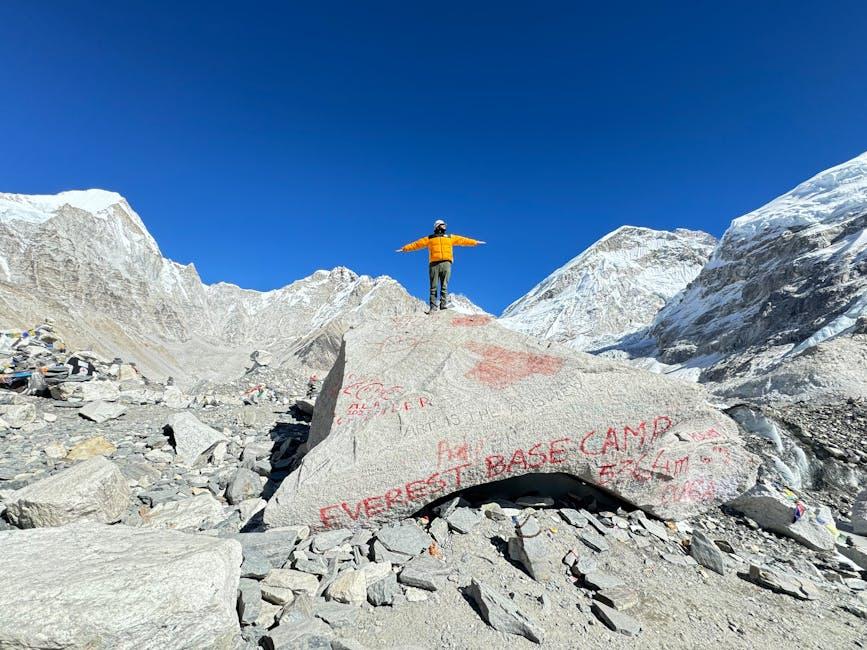
Embarking on the Everest Base Camp trek is a dream for many adventurers worldwide. Situated in the Khumbu region of northeastern Nepal, the trail leads you through rugged terrain, Sherpa villages, and breathtaking vistas that culminate at the foot of the world's highest peak. This guide provides everything you need to know to plan a safe, enjoyable, and memorable journey to Everest Base Camp, from permits and packing lists to altitude advice and cultural insights.
Why Trek to Everest Base Camp
The trek offers unparalleled views of iconic peaks such as Everest, Lhotse, Nuptse, and Ama Dablam. Along the way, you experience the warm hospitality of the Sherpa people, visit ancient monasteries, and witness unique flora and fauna adapted to high altitudes. Whether you are a seasoned trekker or a first-time high‑altitude hiker, the route is well‑marked and supported by numerous teahouses, making it accessible while still delivering a genuine sense of achievement.
Best Time to Go
The optimal trekking windows are pre‑monsoon (late March to early May) and post‑monsoon (late September to November). During these periods, the weather is relatively stable, skies are clear, and temperatures are moderate. Winter months bring heavy snow and extreme cold, while the monsoon season (June to August) brings rain, leeches, and obscured mountain views.
How to Reach the Trailhead
Most trekkers fly from Kathmandu to Lukla's Tenzing-Hillary Airport, a short but thrilling flight that lands on a mountainous runway. From Lukla, the trek begins with a descent to Phakding and then follows the Dudh Koshi River upstream. Alternative routes include a longer trek from Jiri or a helicopter transfer to Lukla for those short on time. Remember to book flights well in advance, especially during peak season.
Permits and Regulations
You need two main permits: the Sagarmatha National Park Entry Permit and the Khumbu Pasang Lhamu Rural Municipality Permit. Both can be obtained in Kathmandu or at the Monjo checkpoint upon arrival. Carry multiple copies of your passport, visa, and passport‑size photos. Trekking with a registered guide or porter is not mandatory but highly recommended for safety and local employment.
Day‑by‑Day Overview
A typical itinerary spans 12 to 14 days, allowing proper acclimatization. Here is a condensed version:
- Day 1: Fly to Lukla, trek to Phakding (2,610 m)
- Day 2: Phakding to Namche Bazaar (3,440 m)
- Day 3: Acclimatization day in Namche (optional hike to Everest View Hotel)
- Day 4: Namche to Tengboche (3,860 m)
- Day 5: Tengboche to Dingboche (4,410 m)
- Day 6: Acclimatization day in Dingboche (hike to Nangkartshang Peak)
- Day 7: Dingboche to Lobuche (4,910 m)
- Day 8: Lobuche to Gorak Shep (5,160 m), then trek to Everest Base Camp (5,364 m) and return to Gorak Shep
- Day 9: Early morning hike to Kala Patthar (5,545 m) for sunrise views, then descend to Pheriche
- Day 10: Pheriche to Namche Bazaar
- Day 11: Namche to Lukla
- Day 12: Fly Lukla to Kathmandu
Adjust days based on personal pace and weather conditions.
Altitude Sickness and Acclimatization
Altitude sickness can affect anyone above 2,500 m. Symptoms include headache, nausea, dizziness, and shortness of breath. To minimize risk, ascend gradually, follow the "climb high, sleep low" principle, stay hydrated, and avoid alcohol. Consider taking acetazolamide (Diamox) after consulting a physician. If symptoms worsen, descend immediately and seek medical help.
What to Pack
Essential gear includes:
- Sturdy trekking boots broken in before the trip
- Layered clothing: moisture-wicking base, insulating mid-layer (fleece or down), waterproof outer shell
- Warm hat, gloves, and buff
- Sleeping bag rated to -15°C (5°F) for teahouse stays
- Trekking poles for stability
- Headlamp with extra batteries
- Sunscreen (SPF 50+), lip balm with UV protection, and sunglasses
- Personal first-aid kit, water purification tablets or filter
- Snacks like chocolate, nuts, and dried fruit
- Camera or smartphone with extra power banks
Pack light; most teahouses provide blankets, but a sleeping bag adds comfort.
Food and Accommodation
Teahouses along the route offer basic rooms with twin beds and shared bathrooms. Meals typically consist of dal bhat (lentil soup with rice), noodles, potatoes, and occasional meat dishes. Vegetarian options are widely available. Prices increase with altitude; budget around $25-$35 per day for food and lodging. Carry some cash in Nepali rupees, as ATMs are scarce beyond Namche.
Culture and Etiquette
Respect local customs by removing shoes before entering homes and monasteries, dressing modestly, and asking permission before photographing people. The Sherpa community follows Tibetan Buddhism; you will see prayer flags, mani walls, and stupas. Participating in a short tea ceremony or offering a small donation at a monastery is appreciated. Always follow the Leave No Trace principles: pack out all waste, stay on marked trails, and avoid disturbing wildlife.
Safety Tips
- Trek with a guide or porter, especially if you are inexperienced.
- Keep a copy of your insurance policy that covers high-altitude evacuation.
- Monitor weather forecasts and be prepared for sudden changes.
- Use a reliable map or GPS device; cell service is limited.
- Know the signs of altitude sickness and have a plan for descent.
- Carry a whistle and a basic emergency blanket.
Estimated Cost
A budget trek can cost between $1,200 and $1,800 per person, including flights, permits, guide/porter fees, accommodation, meals, and gear rental. Luxury options with private guides, hot showers, and premium lodges can exceed $3,000. Always allocate a contingency fund for unexpected expenses.
Frequently Asked Questions
Q: Do I need prior trekking experience?
A: While previous trekking helps, the route is manageable for fit beginners who prepare adequately.
Q: Can I trek solo?
A: Solo trekking is permitted, but hiring a guide enhances safety and supports the local economy.
Q: Is there Wi‑Fi on the trail?
A: Some teahouses offer limited Wi‑Fi for a fee, but connectivity is unreliable.
Q: What is the success rate for reaching Base Camp?
A: Over 90 % of trekkers who follow proper acclimatization reach Everest Base Camp.
Q: Are there ATMs along the route?
A: Only in Lukla and Namche Bazaar; carry enough cash for the remainder of the trek.
Conclusion
The Everest Base Camp trek is more than a physical challenge; it is a journey into the heart of the Himalayas, offering stunning scenery, cultural richness, and a profound sense of accomplishment. By planning ahead, respecting the environment, and listening to your body, you can turn this adventure into a lifelong memory. Start preparing today, and soon you’ll stand at the foot of Everest, gazing up at the summit that has inspired explorers for generations.