
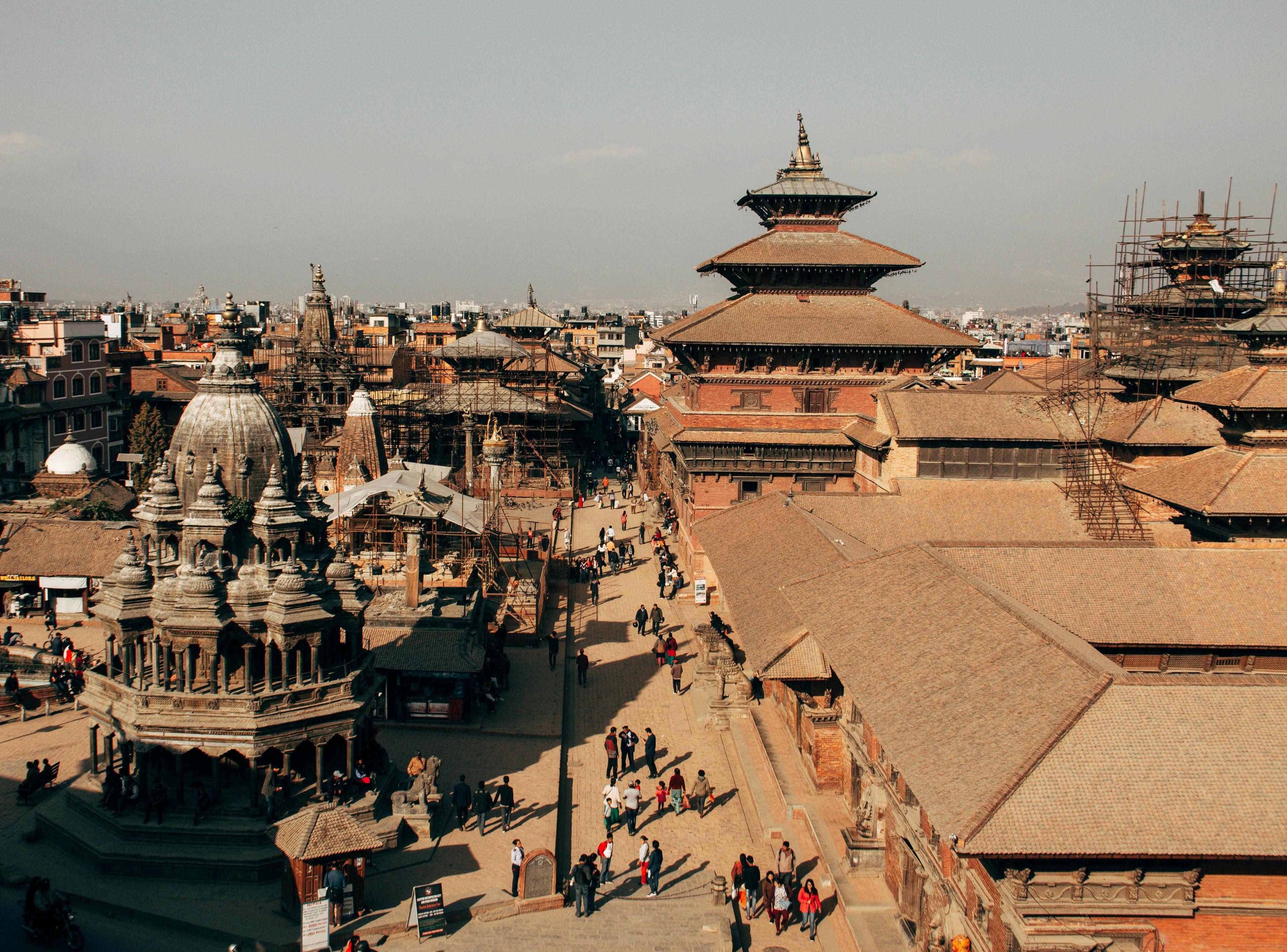
Explore Patan (Lalitpur) Nepal’s UNESCO Durbar Square, traditional crafts, and cultural heritage. A Complete Travel Guide to Patan (Lalitpur) offers tips for...
Complete Travel Guide to Patan (Lalitpur), Nepal
Introduction
Patan (Lalitpur), nestled in the heart of Nepal’s Kathmandu Valley, is a city where ancient traditions meet vibrant artistry. Known for its stunning Durbar Square and traditional crafts, Patan offers travelers a unique glimpse into Nepal’s cultural heritage. This Complete Travel Guide to Patan (Lalitpur) will take you through its historical landmarks, artisanal neighborhoods, and practical tips to explore this lesser-known gem.
Why Visit Patan (Lalitpur)?
Patan is a city frozen in time, where centuries-old architecture, intricate metalwork, and handwoven textiles thrive. Unlike the bustling landscapes of Kathmandu or Pokhara, Patan provides a serene escape into Nepal’s past. Its Lalitpur Durbar Square is a UNESCO World Heritage Site, showcasing elaborately carved wooden temples and palatial halls. For craft lovers, Patan’s workshops and markets are unparalleled, producing intricate pottery, masks, and jewelry.
Getting to Patan (Lalitpur)
Patan is accessible via a short 15-minute drive or a scenic bus ride from Kathmandu. The city is well-connected by local taxis and rickshaws. If arriving from abroad, Tribhuwan International Airport in Kathmandu is your gateway, followed by a seamless transfer to Patan. Renting a bike or using local e-bikes is ideal for exploring the city’s narrow alleys.
Best Time to Visit Patan (Lalitpur)
The optimal time to visit is spring (March to May) or autumn (September to November) when the weather is clear and ideal for exploration. These seasons also align with local festivals like Patan Indra Jatra, a vibrant celebration of deities, which offers a lively cultural experience.
Must-See Attractions in Patan (Lalitpur)
Lalitpur Durbar Square
The crown jewel of Patan, Lalitpur Durbar Square, is a maze of historical temples like the Khaste Narayan Temple and the golden-roofed Patan Hashir Khana. Don’t miss the Temple of Taleju Bhawani, dedicated to the mother goddess, and the Chauk Ghar, a three-story wooden palace known for its intricate wood carvings.
Patan Museum
Housed in a 17th-century temple, the Patan Museum showcases an extensive collection of traditional Nepali artifacts, including textiles, metalwork, and bronzes. It’s a must-visit for understanding the city’s artisan legacy.
Cotton Market (Kawtharchunkaman)
Wander through Patan’s Cotton Market, a sensory delight filled with vibrant fabrics, wooden carvings, and handmade souvenirs. This market is a hub for local crafts and an excellent place to buy authentic Nepali products.
Bhimsen Temple
Dedicated to Lord Bhimsen, this temple is renowned for its hammered copper designs and a massive 10-meter-long image of the deity. It’s a prime example of Patan’s metalwork mastery.
Exploring Traditional Crafts
Patan is a paradise for artisans. Visit workshops to witness the creation of Patan pottery, copperware, and wooden masks. The city is famous for its Patan-style carpets and metal jewelry, often featuring traditional designs. Many artisans offer trial-making sessions, allowing visitors to participate in the creative process.
Travel Tips for Patan (Lalitpur)
- Hire a local guide: They can navigate you through hidden gems and share storytelling about the city’s history.
- Bargain in markets: Prices in Patan’s markets are often negotiable. Start at 50-60% of the quoted price.
- Dress modestly: When visiting temples or workshops, cover shoulders and knees.
- Try local cuisine: Savor momos, dal bhat, and yomari (a sweet rice cake) at local eateries.
- Avoid crowds: Visit popular sites early morning or late afternoon for a peaceful experience.
FAQs
Q: Is Patan (Lalitpur) safe for solo travelers? A: Yes, Patan is relatively safe, but standard precautions like safeguarding belongings in crowded areas are advised.
Q: How much time is needed to explore Patan? A: A 2-3 day visit covers major attractions, but staying longer allows deeper exploration of crafts and local culture.
Q: Can I buy traditional crafts in Patan? A: Absolutely! Patan is renowned for its authentic handmade souvenirs, especially in the Cotton Market and artisan workshops.
Q: Are there accommodation options in Patan? A: Yes, from budget guesthouses to mid-range hotels. Booking in advance during festivals is recommended.
Q: Is Patan worth visiting compared to Kathmandu? A: If you seek tranquility and cultural immersion, Patan offers a more authentic experience than the capital’s bustling environment.
Conclusion
Patan (Lalitpur) Nepal is a destination that blends history, art, and serenity. Its Durbar Square, artisanal heritage, and untouched charm make it a must-visit for travelers seeking a deeper connection with Nepal’s soul. Armed with this Complete Travel Guide to Patan (Lalitpur), you’re ready to uncover the city’s timeless beauty and craftsmanship.
Additional Resources
- Patan Tourism Board
- [Cultural Affairs Department, Government of Nepal]