
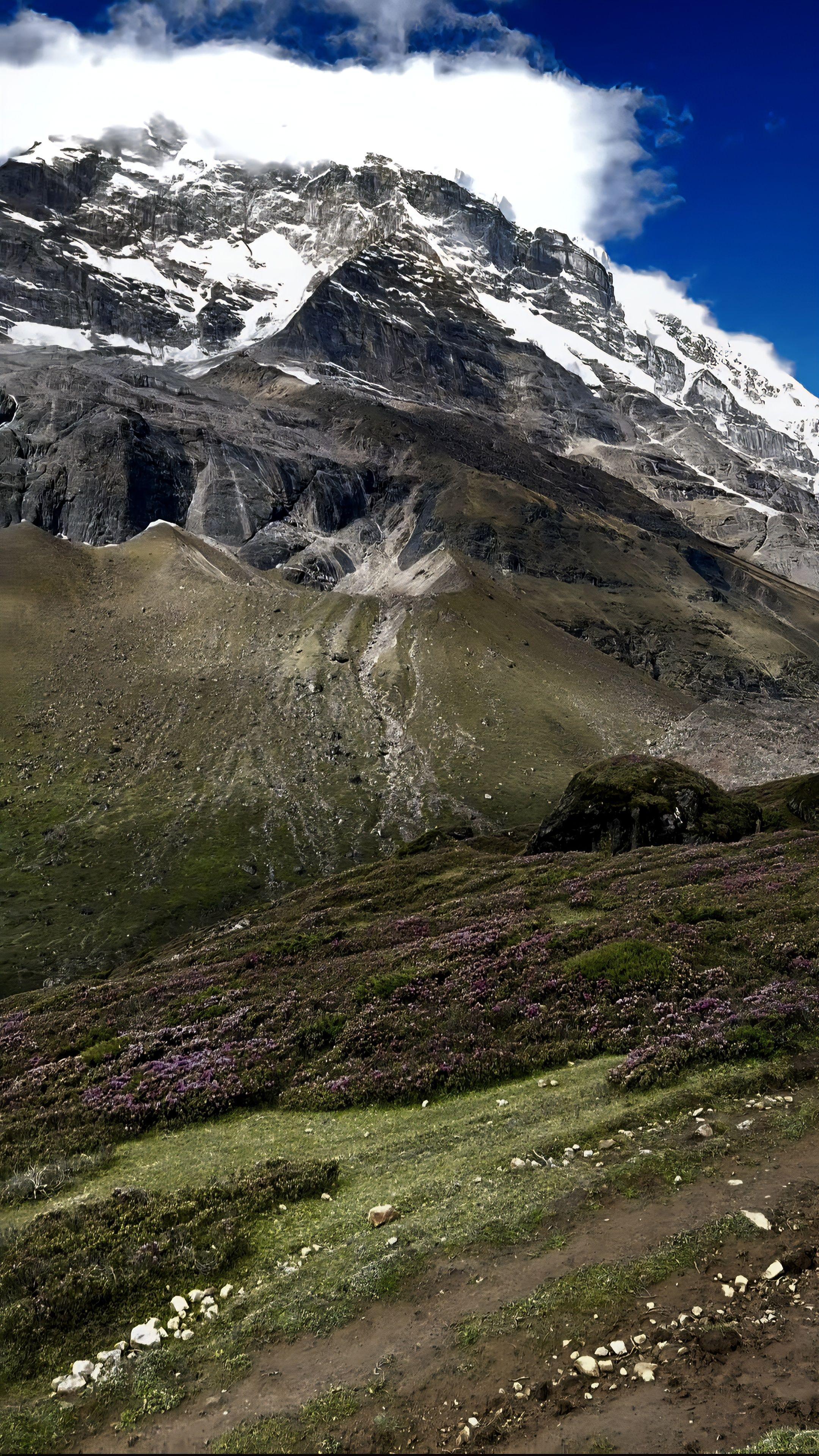
Discover the pristine beauty of Makalu Base Camp in Sankhuwasabha District, Province No. 1, Eastern Nepal – a trekker's paradise with stunning mountain views...
Complete Travel Guide to Sankhuwasabha District, Province No. 1, Eastern Nepal
Introduction: A Sanctuary Among the World’s Highest Peaks
Nestled in the heart of the eastern Himalayas lies Sankhuwasabha District, Province No. 1, Eastern Nepal — a region where ancient culture meets untouched wilderness. At its center stands Makalu Base Camp, a remote yet breathtaking destination that offers trekkers a rare chance to witness the majesty of Mount Makalu (8,485 m) without the crowds of Everest or Annapurna. This guide, titled Complete Travel Guide to Sankhuwasabha District, Province No. 1, Eastern Nepal, will take you step‑by‑step through everything you need to know before you set foot on the trail.
Whether you’re an experienced mountaineer seeking a quiet base camp or a first‑time hiker craving solitude amid rhododendron forests and Sherpa villages, Makalu Base Camp delivers an adventure unlike any other. From lush alpine meadows to panoramic vistas of three great 8000‑meter giants, every moment here feels both intimate and epic. Let’s dive into why this hidden gem deserves your attention and how to make the most of your visit.
About Sankhuwasabha District, Province No. 1, Eastern Nepal
Sankhuwasabha is the northernmost district of Nepal’s Province No. 1, located in the far east of the country. Its name translates to “the land of the sacred mountains,” reflecting the deep reverence locals have for the towering peaks that dominate the skyline. The district is renowned for its rich Sherpa heritage, traditional Newari architecture, and vibrant festivals such as Lhosar and Tamkaslo.
Geographically, Sankhuwasabha sits on the border between the Mahabharat Range and the Tibetan Plateau, creating a unique micro‑climate that supports diverse ecosystems. The terrain ranges from subtropical rhododendron forests at lower elevations to harsh, high‑altitude passes above 5,000 meters. This ecological variety makes it an ideal base for exploring the Makalu Massif and surrounding landscapes.
For travelers, Sankhuwasabha District, Province No. 1, Eastern Nepal offers more than just trekking; it provides a window into authentic Nepali life, where hospitality, prayer flags, and warm smiles await at every turn.
Why Makalu Base Camp Stands Out
Makalu Base Camp is often described as the “quiet side” of the famous Makalu massif. While Everest draws millions, Makalu remains relatively undiscovered, preserving its raw beauty and offering a tranquil environment for reflection. Here are the key reasons to choose this destination:
1. Unparalleled Scenic Views
The view of Mount Makalu dominates the horizon, visible even from the valley floor. On clear mornings, you can also spot neighboring giants—Chamlang, Lhotse, and even Everest—to the north. These sightlines are best enjoyed from the camp itself, where the air is thin but the perspective is unmatched.
2. Solitude and Serenity
Unlike the crowded camps of the Annapurna Circuit, Makalu Base Camp sees fewer visitors year‑round. This allows for peaceful walks, meditation sessions, and spontaneous encounters with local communities who welcome outsiders with open arms.
3. Cultural Immersion
Travelers can interact with Sherpa families living near the base camp. Homestay programs, traditional cooking classes, and storytelling evenings provide deep insights into high‑altitude living and Buddhist traditions.
4. Diverse Trekking Experiences
From gentle forest trails to challenging ridge walks, the area offers a spectrum of difficulty levels. Whether you prefer a relaxed stroll among rhododendrons or a demanding ascent toward the summit, there’s something for everyone.
Best Time to Visit
Timing is crucial when planning a trek to Sankhuwasabha District, Province No. 1, Eastern Nepal. The optimal window falls during the spring (March–May) and autumn (September–November) seasons, when weather conditions are most favorable and wildflowers bloom.
- Spring (March–May): Snow retreats from the upper slopes, making the approach to Makalu safer. Temperatures range from cool (10–15°C) at night to mild (20–25°C) during the day.
- Autumn (September–November): Post‑monsoon rains have subsided, leaving crisp skies and stable weather. Daytime temperatures drop slightly, but the landscape is still vibrant.
Avoid the monsoon months (June–July) when heavy rainfall can cause landslides and reduce visibility. Winter (December–February) brings freezing temperatures and limited daylight, suitable only for experienced climbers.
How to Reach Sankhuwasabha District
Getting to the starting point of your Makalu Base Camp journey involves several transport options:
- Fly to Kathmandu – The nearest major airport, approximately 350 km away.
- Take a domestic flight to Biratnagar (about 180 km south) or Pokhara (around 300 km west). Both cities serve as gateway towns for organized trekking agencies.
- Bus or private car to Jomshedhi – The main town serving Sankhuwasabha, reachable via a scenic drive along the Mahabharat Valley (≈250 km).
- Local transportation – Once in Jomshedhi, you can hire a jeep or arrange a shared taxi to the trailhead near Rimle (approx. 30 km from the base camp).
Many trekkers opt for a combination: fly to Kathmandu, then take a bus to Biratnagar, and finally a local transfer to the trailhead. This approach balances cost and convenience.
Trekking Routes & Highlights
Makalu Base Camp is accessible via two primary routes:
Route 1: The Standard Trail (via Rime Glacier)
This path follows the classic Makalu circuit, passing through the Rime Glacier and Kheche Phool Lake. The trek takes about 14–16 days round‑trip, allowing ample time to acclimatize and enjoy the scenery.
Key highlights include:
- Rhododendron forests carpeting the lower slopes, especially in spring.
- Traditional Sherpa villages such as Thamel (near the base) where you can stay overnight.
- Alpine meadows dotted with wildflowers and distant views of the Makalu massif.
Route 2: The Alternative Trail (via Khumbu Pass)
A shorter but less popular option, this route skirts the southern face of Makalu and offers quieter paths. It’s ideal for those seeking a faster itinerary while still experiencing the same dramatic backdrop.
Both routes converge at the Makalu Base Camp situated at approximately 4,900 m elevation. From here, you can either continue climbing toward the summit (for experienced climbers) or descend back to Jomshedhi for a comfortable stay.
Accommodation Options
Accommodation varies from basic teahouses to luxurious homestays. Here’s what you can expect:
| Type | Description | Price Range (per night) |
|---|---|---|
| Teahouse | Simple wooden structures with shared facilities, serving hot meals. | $15–$30 |
| Homestay | Family-run lodgings offering authentic meals and cultural exchange. | $25–$50 |
| Lodge | More comfortable amenities, sometimes with Wi‑Fi and en-suite rooms. | $60–$100 |
It’s advisable to book homestays well in advance, especially during peak season. Many local families welcome international guests and can arrange guided tours of nearby monasteries.
Practical Information
Visas and Permits
- Visa: Most nationalities require a tourist visa upon arrival. E‑visa is available online.
- Base Camp Permit: Required for entry into the Makalu region. Agencies typically handle this permit and provide necessary documentation.
- Sherpa Permit: If you wish to work as a porter or guide, additional permits are needed.
Health and Safety
- Carry a comprehensive first‑aid kit, including altitude sickness medication (acetazolamide).
- Altitude sickness is common above 4,500 m. Descend immediately if symptoms worsen.
- Stay hydrated and eat regular high‑energy meals to support acclimatization.
- Register with your embassy and carry proof of insurance covering high‑altitude trekking.
Packing Essentials
- Layered clothing (thermal base, fleece, waterproof shell)
- Sturdy hiking boots with good ankle support
- Sun protection (hat, sunglasses, SPF 50+ sunscreen)
- Warm sleeping bag (rated for -10°C)
- Personal hygiene items (toilet paper, hand sanitizer)
Travel Tips for a Smooth Experience
- Acclimatize Gradually – Spend at least 2–3 nights at intermediate altitudes before attempting higher passes.
- Respect Local Customs – Dress modestly when visiting temples, remove shoes before entering homes, and ask permission before photographing people.
- Stay Flexible – Weather can change rapidly; be prepared for sudden snowfall or cloud cover.
- Hire Local Guides – Experienced guides enhance safety, provide cultural context, and often share insider knowledge about hidden gems.
- Carry Cash – Remote areas may have limited card acceptance; small denominations of USD or Nepalese rupees are essential.
Frequently Asked Questions (FAQs)
Q1: Is Makalu Base Camp safe for beginners?
A: Yes, the standard trek is manageable for hikers with moderate fitness. However, proper acclimatization and a reputable guiding service are recommended.
Q2: What is the typical duration of the trek?
A: Most treks last 14–18 days, depending on pace and acclimatization stops. The full circuit around Makalu can extend to 21 days.
Q3: Can I climb Mount Makalu from this base camp?
A: Only certified climbers with appropriate permits and technical skills are allowed to attempt the summit. The base camp serves as a staging ground for expeditions, not a solo climbing site.
Q4: Are there any restrictions on women traveling alone?
A: Absolutely not. Women of all ages are welcome to trek independently or with companions. Many homestays offer female‑only accommodations.
Q5: What is the best way to get from Jomshedhi to the base camp?
A: A shared jeep or a hired vehicle is the most reliable method. Prices vary but are usually quoted per person.
Q6: Do I need special equipment for the trek?
A: Bring layers, sturdy boots, and a portable stove if you plan to cook. Most teahouses provide meals, but carrying snacks and extra fuel can be helpful.
Q7: How do I handle altitude sickness?
A: Ascend slowly, rest frequently, and consider descending if symptoms persist. Medication like acetazolamide can help, but medical supervision is always preferred.
Conclusion
Sankhuwasabha District, Province No. 1, Eastern Nepal offers a treasure trove of natural wonders and cultural richness. With Makalu Base Camp as its crown jewel, this region promises an unforgettable adventure for anyone willing to venture beyond the well‑trodden paths of Everest. By following this Complete Travel Guide to Sankhuwasabha District, Province No. 1, Eastern Nepal, you’ll be equipped with the knowledge, logistics, and inspiration needed to embark on a journey that will leave you with memories etched in stone and sky.
Embrace the silence of the high Himalayas, connect with the warm hearts of Sherpa families, and let the majestic silhouettes of Mount Makalu, Chamlang, and Everest inspire your spirit. Your next great adventure awaits in the eastern reaches of Nepal.