Embark on the iconic Everest Base Camp Trek in Nepal for unmatched Himalayan views, cultural immersion, and adventure. Plan your Everest Base Camp Trek with ...
Everest Base Camp Trekking & Adventure Guide
Introduction
The Everest Base Camp (EBC) trek in Nepal is one of the most iconic adventures for nature enthusiasts and adventure seekers. Located in the heart of the Himalayas, this journey offers unparalleled views of Mount Everest, the world's highest peak. Whether you're a seasoned trekker or a first-time adventurer, the EBC trail promises breathtaking landscapes, vibrant Sherpa culture, and an uplifting challenge. This guide provides comprehensive insights into planning your Everest Base Camp Nep Trek, including practical tips, cultural nuances, and essential preparation advice.
Why Choose Everest Base Camp?
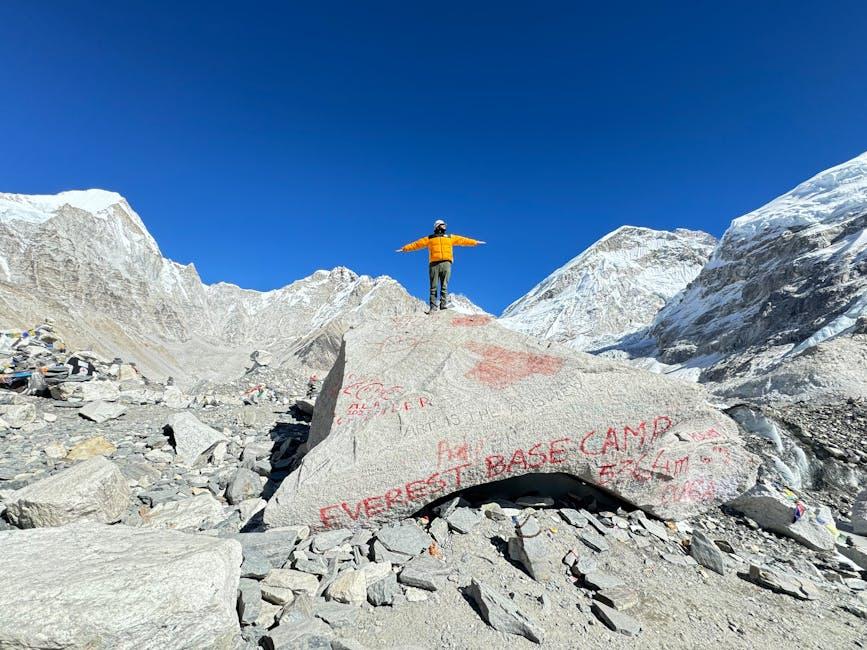
The Everest Base Camp trekking route is renowned for its majestic scenery and the thrill of standing at the base of the world's tallest mountain. Trekkers traverse through forests, glacial rivers, and high-altitude passes, encountering diverse flora and fauna. The region's Sherpa communities offer a glimpse into a unique lifestyle steeped in history and hospitality. The EBC trek is not just a physical challenge but also a spiritual one, allowing travelers to connect with nature's grandeur.
Best Time to Visit
The ideal seasons for the Everest Base Camp Nepal trekking are pre-monsoon (March to May) and autumn (September to November). During these months, weather is relatively stable, and trails are less obscured by snow or rain. Winter (December to February) offers potential for EBC expeditions but requires prior mountaineering experience, while monsoon season (June to August) brings heavy rains that can delay progress.
Essential Travel Advice
- Permits: Secure the Trekker’s Information Management System (TIMS) permit and an Annapurna Conservation Area Permit. These are mandatory for legal trekking in the Everest region.
- Acclimatization: Ascend gradually, allowing at least 2-3 days for acclimatization to prevent altitude sickness.
- Health: Consult a doctor before traveling, and pack essential medications. Stay hydrated and maintain a balanced diet.
- Gear: Invest in quality hiking boots, thermal clothing, and a reliable backpack. Headlamps, water purification tablets, and a first-aid kit are crucial.
Detailed Itinerary
A typical Everest Base Camp Trek (EBC) spans 12-14 days, covering 130 km round-trip. Day-by-day plans include acclimatization stops at Namche Bazaar and Dingboche, crossing the challenging Khumbu Pass (5,644m), and reaching the base camp at 5,364m elevation. Return routes often retrace via Lukla or alternative trails like Gosainkunda.
Cultural Highlights
Interacting with Sherpa communities enriches the trek. Visit monasteries like Tengboche, participate in local festivals, or learn traditional prayer practices. These interactions offer insights into Nepal's cultural heritage and spiritual traditions.
Travel Tips
- Pack Light: Hire a porter for heavy luggage to conserve energy.
- Navigation: Follow local guides and use a compass. Trails can be less defined in remote areas.
- Respect Nature: Avoid littering and stick to marked paths to preserve the ecosystem.
Common FAQs
Q: Is Everest Base Camp trekking dangerous?
A: It's safe with proper preparation, but altitude risks require vigilance.
Q: How much does it cost?
A: Prices range from $3,500 to $6,000, covering permits, accommodation, and guides.
Q: Can I trek solo?
A: It's possible but discouraged; hiring a licensed guide is recommended.
Q: What altitude does EBC reach?
A: The base camp is at 5,364 meters, with the Khumbu Pass at 5,644 meters.
Conclusion
Trekking to Everest Base Camp is a life-changing experience that combines adventure, culture, and natural beauty. With the right preparation and respect for the environment, this journey offers memories that last a lifetime. Embrace the challenge of the Everest Base Camp Nepal trek and discover why it remains a bucket-list adventure for travelers worldwide.
Keywords: Everest Base Camp Nepal, Everest Base Camp Trekking & Adventure Guide, Tibet trekking, Himalayan adventure, Nep trekking, high-altitude trekking, Kate G이며, Everest region, Sherpa culture.