
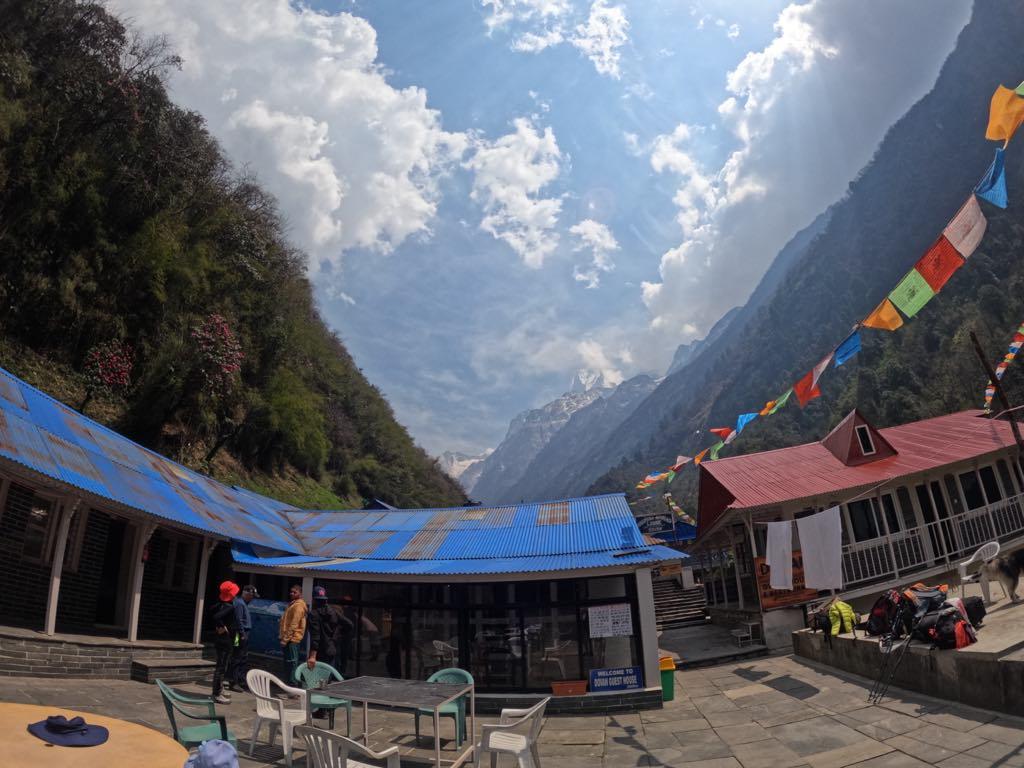
Essential guide for first-time trekkers to Annapurna Base Camp (ABC) Nepal, covering itinerary, tips, and cultural insights.
First-Time Visitor Guide to Annapurna Base Camp (ABC)
Introduction
The Annapurna Base Camp (ABC) trek is one of the most rewarding adventures in Nepal. Nestled in the heart of the Annapurna Sanctuary, this destination offers breathtaking views of towering peaks, vibrant rhododendron forests, and a chance to experience the rich culture of the Gurung and other ethnic communities. Whether you are an experienced hiker or a first-time trekker, this comprehensive guide will help you plan an unforgettable journey to Annapurna Base Camp (ABC) Nepal.
Why Visit Annapurna Base Camp?
- Stunning Mountain Panorama: At ABC, you stand at an altitude of approximately 4,130 meters (13,550 feet) surrounded by the massive walls of Annapurna I (8,091 m), Machhapuchhre (6,993 m), and Hiunchuli (6,687 m). The sunrise over these peaks is a spectacle that few other places can match.
- Diverse Ecosystems: The trek traverses subtropical forests, alpine meadows, and rugged terrain, providing opportunities to see wildlife such as Himalayan tahr, snow leopards, and numerous bird species.
- Cultural Immersion: The route passes through traditional villages where you can interact with local families, taste authentic Nepali cuisine, and learn about ancient customs and festivals.
Getting There
By Air
The most common way to reach the Annapurna region is by flying into Pokhara (PKR), the gateway city. Pokhara Airport receives daily flights from Kathmandu (KTM) operated by airlines such as Buddha Air, Yeti Airlines, and Himalayan Airlines. The flight takes about 45 minutes and offers spectacular views of the Himalayas.
By Road
If you prefer overland travel, you can take a bus from Kathmandu to Pokhara. The journey takes approximately 6–8 hours along the Prithvi Highway. From Pokhara, you can start your trek directly to the trailhead.
Trailhead Options
The trek typically begins from Naya Pul (New Bridge) or Kande. Naya Pul is the most popular starting point, accessible by a short taxi ride from Pokhara.
Best Time to Visit
The optimal periods for trekking to Annapurna Base Camp are:
- Spring (March – May): Wildflowers bloom, especially rhododendrons, and the weather is generally clear with moderate temperatures.
- Autumn (September – November): The skies are clear, offering excellent visibility of the mountains. The temperature is comfortable, and the trails are less crowded compared to spring.
Avoid the monsoon season (June – August) due to heavy rainfall and potential landslides, and the winter months (December – February) when snow can block higher sections of the trail.
Trekking Route and Itinerary
A typical itinerary for the Annapurna Base Camp trek spans 7–12 days, depending on your pace and the route taken. Below is a popular 10‑day plan:
| Day | Route | Distance (km) | Elevation Gain (m) |
|---|---|---|---|
| 1 | Pokhara → Naya Pul → Birethanti | 10 | 400 |
| 2 | Birethanti → Ghorepani | 8 | 900 |
| 3 | Ghorepani → Poon Hill (sunrise) → Tadapani | 7 | 600 |
| 4 | Tadapani → Chomrong | 6 | 300 |
| 5 | Chomrong → Sinuapa | 7 | 500 |
| 6 | Sinuapa → Annapurna Base Camp | 7 | 700 |
| 7 | ABC → Bamboo | 8 | -700 |
| 8 | Bamboo → Jhinu Danda | 7 | -400 |
| 9 | Jhinu Danda → Naya Pul | 9 | -800 |
| 10 | Naya Pul → Pokhara | 10 | -400 |
Note: Some trekkers opt for a shorter 7‑day itinerary by skipping Ghorepani and Poon Hill.
Key Highlights
- Poon Hill: A popular viewpoint for sunrise over the Annapurna range.
- Chomrong: A picturesque village with traditional stone houses.
- Annapurna Sanctuary: The high‑altitude valley that surrounds the base camp.
Accommodation and Food
Along the trek, you will stay in tea houses or lodges. These are simple guesthouses offering basic amenities such as a bed, shared bathroom, and sometimes hot showers (usually for a fee). The food menu typically includes:
- Tibetan bread (Tingmo)
- Momo (steamed dumplings)
- Dal Bhat (lentil soup with rice)
- Pasta, noodles, and soups
It is advisable to carry high‑energy snacks like nuts, dried fruits, and energy bars, especially for longer sections between villages.
Permits and Regulations
To trek in the Annapurna Conservation Area, you need:
- Annapurna Conservation Area Project (ACAP) permit
- Trekkers’ Information Management System (TIMS) card
These can be obtained in Pokhara or at the entrance of the park. Keep your permits handy as park rangers may check them.
Physical Preparation
While the trek does not require technical climbing skills, a reasonable level of fitness is essential. Recommended preparation includes:
- Cardiovascular training (running, cycling, swimming) for 30–45 minutes daily.
- Strength exercises focusing on legs and core.
- Hiking with a backpack on uneven terrain to simulate trail conditions.
A pre‑trek medical check‑up is advisable, especially if you have any chronic conditions.
Packing List
Here’s a concise packing list for Annapurna Base Camp:
- Clothing: Moisture‑wicking base layers, insulating mid‑layer (fleece or down jacket), waterproof outer shell, trekking pants, hat, gloves, and warm socks.
- Footwear: Broken‑in hiking boots with good ankle support.
- Gear: Trekking poles, headlamp with extra batteries, sleeping bag (if not provided), daypack, water bottles or hydration bladder, and a reusable water bottle.
- Other: Sunscreen, sunglasses, lip balm, first‑aid kit, personal medications, camera, and a power bank.
Safety and Health
- Altitude Sickness: Acclimatization is crucial. Ascend gradually, stay hydrated, and consider taking acetazolamide if prescribed by a doctor.
- Water: Drink only filtered or boiled water. Carry a purification method (UV purifier, chlorine tablets, or a filter).
- Weather: Weather can change rapidly. Be prepared for rain, snow, and strong winds, especially at higher elevations.
Cultural Insights
The Annapurna region is home to the Gurung and Magar ethnic groups. Their culture is deeply intertwined with Buddhism and Hinduism. Some cultural highlights include:
- Mani walls and prayer flags along the trail.
- Traditional dances performed during festivals such as Tiji and Dashain.
- Hospitality: Locals often offer you tea and food; accepting these gestures is a sign of respect.
Environmental Considerations
The Annapurna Conservation Area emphasizes sustainable tourism. Practice Leave No Trace principles:
- Carry out all trash.
- Use designated toilets.
- Respect wildlife and avoid disturbing plants.
- Support local businesses by staying in tea houses and buying local products.
Travel Tips
- Start Early: Begin each day’s trek before sunrise to avoid afternoon clouds and to enjoy cooler temperatures.
- Stay Hydrated: Drink at least 2–3 liters of water daily.
- Cash: Carry Nepalese rupees; ATMs are limited in remote villages.
- Travel Insurance: Ensure coverage for high‑altitude trekking and emergency evacuation.
- Guide or Porter: Hiring a local guide can enhance safety and provide cultural insights. Porters can carry your heavy gear.
FAQs
Q1: How long does the Annapurna Base Camp trek take?
A typical trek lasts 7–12 days, depending on the itinerary and your pace.
Q2: What is the maximum altitude reached?
The base camp sits at approximately 4,130 meters (13,550 feet) above sea level.
Q3: Do I need a guide?
While not mandatory, a guide is recommended for safety, navigation, and cultural enrichment.
Q4: Is it safe for beginners?
Yes, with proper preparation and acclimatization, many beginners successfully complete the trek.
Q5: What is the best month to trek?
Spring (March–May) and Autumn (September–November) are ideal due to clear skies and moderate temperatures.
Q6: Can I see snow?
Snow is common on the higher sections, especially in late autumn and early spring.
Q7: Are there Wi‑Fi and phone signals?
Most tea houses offer Wi‑Fi for a fee, and mobile coverage is available in many villages.
Q8: What currency should I bring?
Nepalese Rupees (NPR) are required for most transactions; USD is accepted in some tourist hubs.
Conclusion
Trekking to Annapurna Base Camp (ABC) Nepal is a transformative experience that combines natural grandeur with cultural richness. By following the advice in this First-Time Visitor Guide to Annapurna Base Camp (ABC), you can ensure a safe, enjoyable, and memorable adventure. Whether you seek the thrill of high‑altitude hiking or the peace of mountain reflection, ABC offers a destination that captures the heart of every traveler.