
Ultimate first-time visitor guide to Bhaktapur Nepal covering architecture, food, tips, and FAQs for an unforgettable trip.
First-Time Visitor Guide to Bhaktapur: Explore Nepals Living Heritage
Welcome to Bhaktapur, the third-largest city in the Kathmandu Valley and one of Nepals most beautifully preserved medieval towns. Known as the City of Devotees, Bhaktapur offers a captivating glimpse into Newari architecture, vibrant traditions, and a slower pace of life that feels worlds away from the bustling capital. Whether you are wandering through centuries-old brick temples, sampling street-side yomari, or watching pottery artisans at work, this first-time visitor guide to Bhaktapur will help you make the most of your journey.
Why Bhaktapur Should Be on Your Nepal Itinerary
While Kathmandu and Patan draw the majority of visitors, Bhaktapur remains a UNESCO World Heritage Site that deserves dedicated time. Its compact old town is walkable, its courtyards are intricate, and its cultural festivals are alive year-round. For first-timers, Bhaktapur serves as an perfect introduction to Nepals Hindu-Buddhist syncretism, offering sights and experiences you will not find anywhere else in the valley. The citys layout, with its radial streets and central squares, reflects ancient urban planning that has remained largely unchanged for centuries.
A Brief History of Bhaktapurs Golden Age
Founded in the 12th century by the Malla dynasty, Bhaktapur reached its zenith between the 15th and 18th centuries. The city was designed as a sacred space, with its layout reflecting cosmic principles and its temples dedicated to various deities. The name Bhaktapur itself means City of Devotees, a testament to the deep spiritual roots of its inhabitants. Despite a devastating earthquake in 1934, many structures were meticulously restored using traditional techniques, and ongoing preservation efforts ensure that the cities authenticity remains intact. The Malla kings patronized the arts, leading to a flourishing of woodcarving, terracotta sculpture, and metalwork that defines the citys aesthetic today.
Must-See Architectural Marvels
Bhaktapur Durbar Square is the crown jewel of the city. This expansive plaza houses the 55-Window Palace, the Golden Gate, and the Bell of Bhaktapur, each showcasing the pinnacle of Newari craftsmanship. The square is a living museum, where locals perform rituals, merchants sell handicrafts, and festivals like Bisket Jatra draw crowds from across the region. Visitors can explore the museum of traditional art housed within the palace complex, which displays centuries-old artifacts and offers insight into the royals lavish lifestyle.
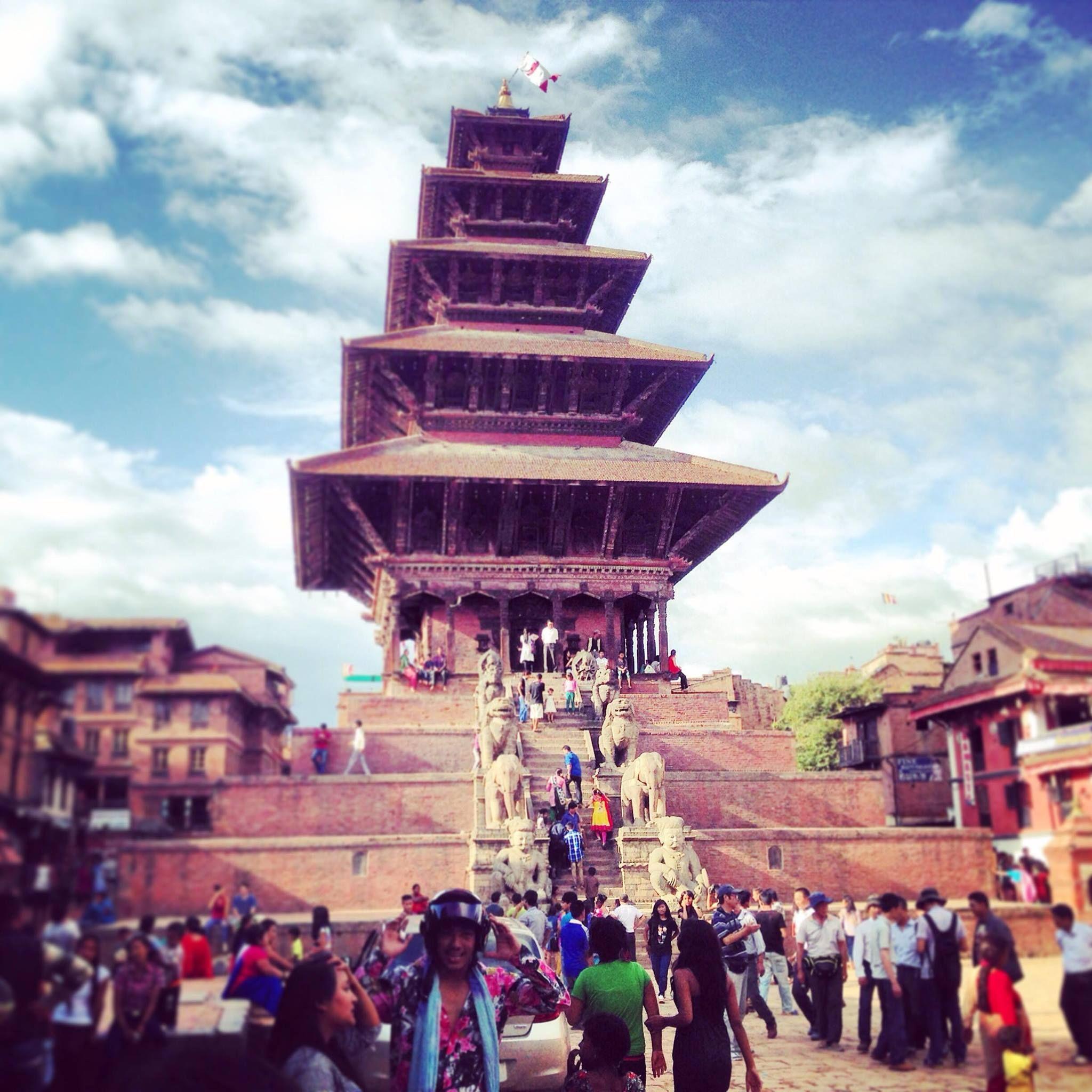
Nyatapola Temple, standing five stories tall, is the tallest temple in Nepal and an engineering marvel. Built in 1702, its symmetrical design and sturdy foundation have withstood centuries of seismic activity. Each level is guarded by a pair of statues—from mythical lions to powerful deities—symbolizing protection and strength. The temples name, Nyatapola, translates to five-storied, and its base features a unique five-plescted plinth designed to distribute weight evenly across the soft valley soil.
Pottery Square Kumari Chowk offers a sensory experience like no other. Here, artisans shape clay on wheels turned by foot, a tradition passed down through generations. Visitors can observe the process, purchase unique pottery, and even try their hand at the wheel under the guidance of local masters. The square is especially vibrant in the morning when craftsmen begin their work, and the sound of spinning wheels echoes through the narrow lanes.
Dattatreya Square complements the Durbar Square with its own set of temples and the fascinating Wood Museum, housed in a traditional Newari mansion. The square is named after the trinity god Dattatreya and is less crowded, making it ideal for those seeking a quieter cultural immersion. The Wood Museum showcases intricately carved pillars, windows, and doors that illustrate the mastery of Newari craftsmen.
Savoring Bhaktapur: Local Food Newari Cuisine
Newari cuisine is the heart of Bhaktapurs gastronomic identity. Do not miss Yomari, a steamed dumpling filled with molasses and sesame, traditionally made during the Yomari Punhi festival. JuJu Dhau, or King Curd, is a thick, creamy yogurt sold in terracotta pots that melts in your mouth and is often served in small clay cups. Other staples include Bara lentil pancakes, Chatamari rice flour pizza, and Sel Roti rice doughnut, a crispy, ring-shaped treat fried in ghee. For an authentic meal, visit local eateries near Durbar Square or join a food tour that explores hidden alleyways. Pair your meal with a glass ofila, a traditional Newari alcoholic brew, for a complete cultural experience.
Practical Travel Tips for First-Timers
- Best Time to Visit: October to December and March to May offer pleasant weather and clear skies. Avoid the monsoon season if you plan on extensive walking, as streets can become slippery and some courtyards may be waterlogged.
- Entry Fees: Foreign visitors pay approximately NPR 1500 for a Bhaktapur Durbar Square ticket, which also grants access to nearby museums and squares. Tickets are valid for two days, allowing revisits to sites within the period.
- Getting There: Bhaktapur is just 13 km east of Kathmandu. Hire a taxi, take a local bus, or join a guided tour. The ride takes roughly 45 minutes, and shared micro-buses are a cost-effective option.
- Dress Modestly: When visiting temples, cover shoulders and knees. Remove shoes where required and ask permission before photographing rituals. A light scarf or shawl is useful for additional coverage.
- Currency Payments: Carry cash in Nepali rupees. Many small vendors and street stalls do not accept cards. ATMs are available in Bhaktapur, but having small denominations is wise for market purchases.
- Respect Local Customs: During religious processions, follow the crowds movement, avoid pointing feet at deities, and dress conservatively. Always ask before taking close-up photos of people participating in ceremonies.
Suggested Itineraries
1-Day Itinerary: Arrive early at Bhaktapur Durbar Square, explore Nyatapola Temple and the 55-Window Palace, wander through Pottery Square, enjoy lunch at a local Newari restaurant, and visit Dattatreya Square before heading back to Kathmandu in the late afternoon.
2-Day Itinerary: Day 1 covers the main squares and food experiences. Day 2 includes a morning trip to the nearby Bhaimsen Temple, an afternoon visit to the Changu Narayan Temple—another UNESCO site on the valleys outskirts—and an evening stroll through the old towns artisan workshops.
3-Day Itinerary: Leisurely exploration with a day trip to the Namo Buddha pilgrimage site, a cultural workshop (pottery or mask painting), and a sunset view from the city walls or a rooftop cafe overlooking the valley.
Frequently Asked Questions about Bhaktapur
Q: Is Bhaktapur suitable for solo travelers?
A: Absolutely. Bhaktapurs compact old town is safe for solo exploration, though it is always wise to keep valuables secure and stay aware of your surroundings in crowded areas.
Q: Can I visit Bhaktapur without a guide?
A: Yes. Most attractions are well-signposted, and maps are available at the entrance. However, a local guide can provide deeper context on Newari architecture and history, especially if you are short on time.
Q: What should I wear when visiting temples?
A: Modest attire is expected. Cover your shoulders and knees, and remove shoes before entering temple premises. Carry a light scarf or shawl for additional coverage if needed.
Q: Are credit cards accepted in Bhaktapur?
A: Major hotels and some restaurants accept cards, but street vendors, small shops, and food stalls typically require cash. Always carry enough Nepali rupees for daily expenses.
Q: What is the Bhaktapur entrance fee validity?
A: A single ticket costs NPR 1500 and is valid for two days, allowing you to revisit Durbar Square, museums, and other included sites within that period.
Conclusion Embrace the Spirit of Bhaktapur
Bhaktapur is more than a tourist destination; it is a living city where history breathes through every brick, every prayer flag, and every smile from its devotees. For first-time visitors, it offers an immersive, educational, and profoundly moving experience that captures the essence of Nepals artistic and spiritual heritage. By planning ahead, respecting local traditions, and allowing yourself to get delightfully lost in its alleyways, you will leave Bhaktapur not just with photographs, but with a piece of its timeless spirit.
Additional Resources
- Carry a reusable water bottle to stay hydrated while exploring the compact old town.
- Learn a few basic Nepali phrases; locals appreciate the effort and it often leads to richer interactions.
- Download an offline map, as internet connectivity can be spotty in the narrower streets.
- Visit the Taumadhi Square evening aarti for a spiritually uplifting conclusion to your day.
- Support local artisans by purchasing directly from them rather than through souvenir shops.