
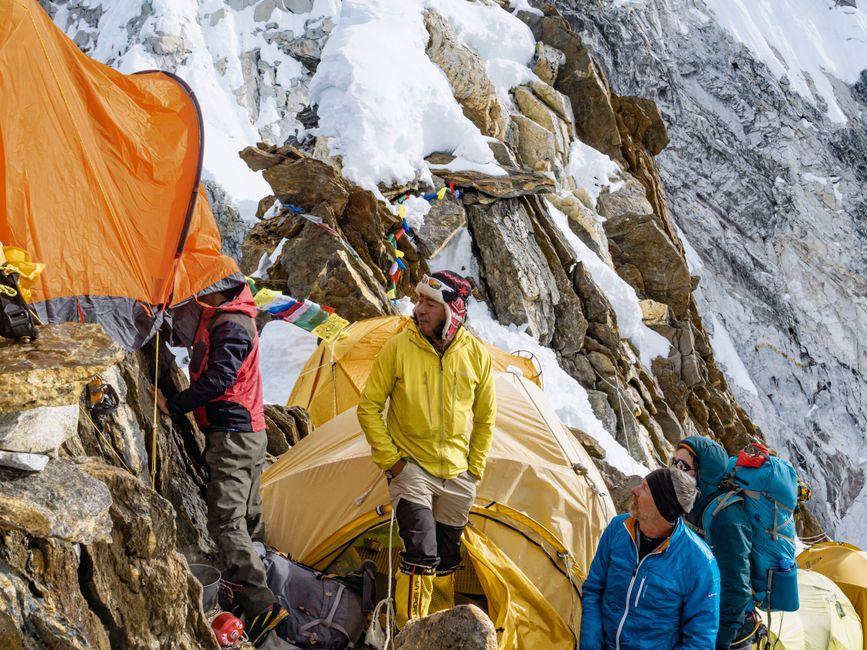
Discover the remote Kanchenjunga Base Camp trek: essential tips, itinerary, and cultural insights for first‑time trekkers.
First-Time Visitor Guide to Kanchenjunga Base Camp
Welcome to the ultimate First-Time Visitor Guide to Kanchenjunga Base Camp. If you dream of standing at the foot of the world's third highest peak, this remote Himalayan adventure offers pristine wilderness, rich biodiversity, and authentic cultural encounters far from the tourist crowds. Trekking to Kanchenjunga Base Camp Nepal is a journey that rewards intrepid travelers with unparalleled mountain vistas and a sense of true exploration.
Why Choose Kanchenjunga Base Camp?
Kanchenjunga (8,586 m) straddles the border between Nepal and India, and its base camp sits in the far eastern corner of Nepal. Unlike the more popular Everest or Annapurna routes, the Kanchenjunga region sees a fraction of the foot traffic, preserving its wild character. The trail winds through the Kanchenjunga Conservation Area, a UNESCO‑listed biosphere reserve that shelters red pandas, snow leopards, Himalayan black bears, and over 250 bird species. Culturally, you’ll meet Limbu, Rai, and Tibetan‑heritage communities whose traditions have remained largely unchanged for centuries.
Best Time to Trek
The optimal windows are pre‑monsoon (late March – May) and post‑monsoon (late September – November). During these periods the skies are generally clear, temperatures at lower elevations range from 10‑20 °C, and high‑altitude passes are free of heavy snow. Winter brings extreme cold and heavy snowfall, while the monsoon (June – early September) makes trails muddy, leech‑infested, and prone to landslides.
Permits & Regulations
- Kanchenjunga Conservation Area Permit (KCAP) – obtained in Kathmandu or at the entry point in Taplejung.
- Restricted Area Permit (RAP) – required because the region borders India; arranged through a registered trekking agency.
- TIMS (Trekkers’ Information Management System) Card – mandatory for all trekkers in Nepal.
Carry multiple photocopies and keep originals in a waterproof pouch.
Getting There
Most travelers fly from Kathmandu to Bhadrapur (45 min) or Taplejung (30 min) and then drive to Suketar (approx. 5‑6 hours) where the trek officially begins. An alternative is a longer overland journey from Kathmandu to Ilam then to Taplejung, which adds a cultural detour through tea gardens.
Typical Itinerary (14‑Day Classic)
| Day | Route | Elevation Gain | Highlights |
|---|---|---|---|
| 1 | Suketar → Mitlung | 1,200 m | First taste of rhododendron forest |
| 2 | Mitlung → Chirwa | 1,250 m | Crossing the Tamur River |
| 3 | Chirwa → Lelep | 1,650 m | Enter Kanchenjunga Conservation Area |
| 4 | Lelep → Amjilosa | 2,300 m | Views of Jannu (Kumbhakarna) |
| 5 | Amjilosa → Gyabla | 2,730 m | Traditional Limbu village |
| 6 | Gyabla → Ghunsa | 3,595 m | Acclimatization day, monastery visit |
| 7 | Ghunsa → Kambachen | 4,050 m | Glacial moraines, possible wildlife sightings |
| 8 | Kambachen → Lhonak | 4,780 m | Panoramic views of Kanchenjunga massif |
| 9 | Lhonak → Pangpema (North Base Camp) | 5,143 m | Kanchenjunga Base Camp Nepal – sunrise over the north face |
| 10 | Pangpema → Kambachen | – | Descend, rest |
| 11 | Kambachen → Ghunsa | – | Cultural interaction with locals |
| 12 | Ghunsa → Sele La (4,290 m) → Tseram | 3,870 m | High pass crossing, alpine meadows |
| 13 | Tseram → Ramche → Oktang (South Base Camp) | 4,730 m | Views of the south face, Yalung Glacier |
| 14 | Oktang → Tortong → Yamphudin → Suketar | – | Return to trailhead, flight back |
Adjust the schedule for extra acclimatization days if you feel any symptoms of altitude sickness.
Acclimatization & Altitude Sickness
- Climb high, sleep low: Use the Ghunsa and Kambachen rest days for short hikes to higher elevations.
- Hydration: Drink 3‑4 liters of water daily; add electrolytes.
- Medication: Carry acetazolamide (Diamox) after consulting a physician; it can reduce the incidence of acute mountain sickness (AMS).
- Recognize symptoms: Headache, nausea, dizziness, insomnia. Descend immediately if they worsen.
Packing List (Essentials)
- Clothing: Layered system – base layer (merino), mid‑layer (fleece), insulated jacket, waterproof shell.
- Footwear: Broken‑in trekking boots, gaiters, camp shoes.
- Sleeping gear: 4‑season sleeping bag (rated –20 °C), sleeping pad.
- Backpack: 55‑65 L with rain cover.
- Tech: Headlamp + extra batteries, power bank, satellite messenger or local SIM for emergencies.
- Health: Personal meds, water purification tablets, sunscreen (SPF 50+), lip balm, first‑aid kit.
- Documents: Passport, permits, travel insurance covering high‑altitude trekking and helicopter evacuation.
Accommodation & Food
Teahouses exist up to Ghunsa; beyond that you’ll camp. Teahouse meals are simple – dal bhat, noodle soup, Tibetan bread, and seasonal vegetables. Carry high‑energy snacks (nuts, chocolate, energy bars) for long days between villages. Camping gear can be rented in Kathmandu or Suketar; ensure your tent is rated for high winds and sub‑zero temperatures.
Cultural Highlights
- Limbu & Rai villages: Participate in a traditional Chintang dance or share a cup of tongba (millet beer).
- Monasteries: Visit the ancient Ghunsa Monastery and Kambachen Gompa for insight into Tibetan Buddhism.
- Handicrafts: Purchase hand‑woven dhaka fabric and locally produced honey, supporting community economies.
Wildlife & Flora
The conservation area is a biodiversity hotspot. Look for red pandas in bamboo thickets, Himalayan monal (the national bird), and blue sheep on rocky slopes. Spring brings a spectacular bloom of rhododendron (over 30 species), painting the forest in reds, pinks, and whites.
Health & Safety
- Travel insurance must cover trekking above 5,000 m and helicopter rescue.
- Emergency contacts: Register your itinerary with the Nepal Tourism Board and keep the local police post number (Taplejung) handy.
- Hygiene: Use hand sanitizer before meals; treat all water.
- Weather: Check daily forecasts via a satellite messenger; be prepared for sudden storms.
Travel Tips
- Book through a licensed agency – they handle permits, porters, and logistics.
- Hire a local guide – invaluable for navigation, cultural etiquette, and safety.
- Tip porters and guides (10‑15 % of trek cost) – it’s customary and supports families.
- Carry cash (NPR) – ATMs are absent beyond Suketar.
- Learn basic Nepali greetings – Namaste and Dhanyabad go a long way.
- Pack a lightweight repair kit (duct tape, needle, thread) for gear mishaps.
- Use a solar charger – electricity is scarce at higher camps.
- Respect wildlife – keep distance, never feed animals.
- Leave no trace – pack out all waste, use designated toilets.
- Stay flexible – weather or health may require itinerary changes; a buffer day saves stress.
Frequently Asked Questions
How difficult is the Kanchenjunga Base Camp trek?
It is classified as strenuous due to high altitude, long daily walks (5‑8 hours), and basic facilities. Prior multi‑day trekking experience and good cardiovascular fitness are strongly recommended.
Do I need a guide?
Yes. The region is a restricted area; a registered guide is mandatory for the Restricted Area Permit and enhances safety and cultural understanding.
What is the cost?
A fully supported 14‑day trek (guide, porter, permits, food, accommodation, domestic flights) typically ranges US $2,200‑$2,800 per person, varying by agency and group size.
Can I trek solo?
Solo trekking is not permitted in the restricted zone. You must be part of a group (minimum two trekkers) accompanied by a licensed guide.
What about connectivity?
Mobile coverage exists up to Ghunsa (Ncell/Ntc). Beyond that, a satellite messenger or rented satellite phone is essential for emergencies.
Is there a risk of landslides?
During monsoon and early post‑monsoon, landslides can block trails. Trekking in the recommended seasons minimizes this risk.
Conclusion
Embarking on the Kanchenjunga Base Camp trek is more than a physical challenge; it’s an immersion into one of the Himalaya’s last true wildernesses. With careful planning, proper acclimatization, and respect for local cultures, first‑time visitors can experience the awe of standing beneath the world’s third highest peak while contributing to the sustainable future of this extraordinary region. Use this guide as your roadmap, prepare thoroughly, and the mountains will reward you with memories that last a lifetime.