
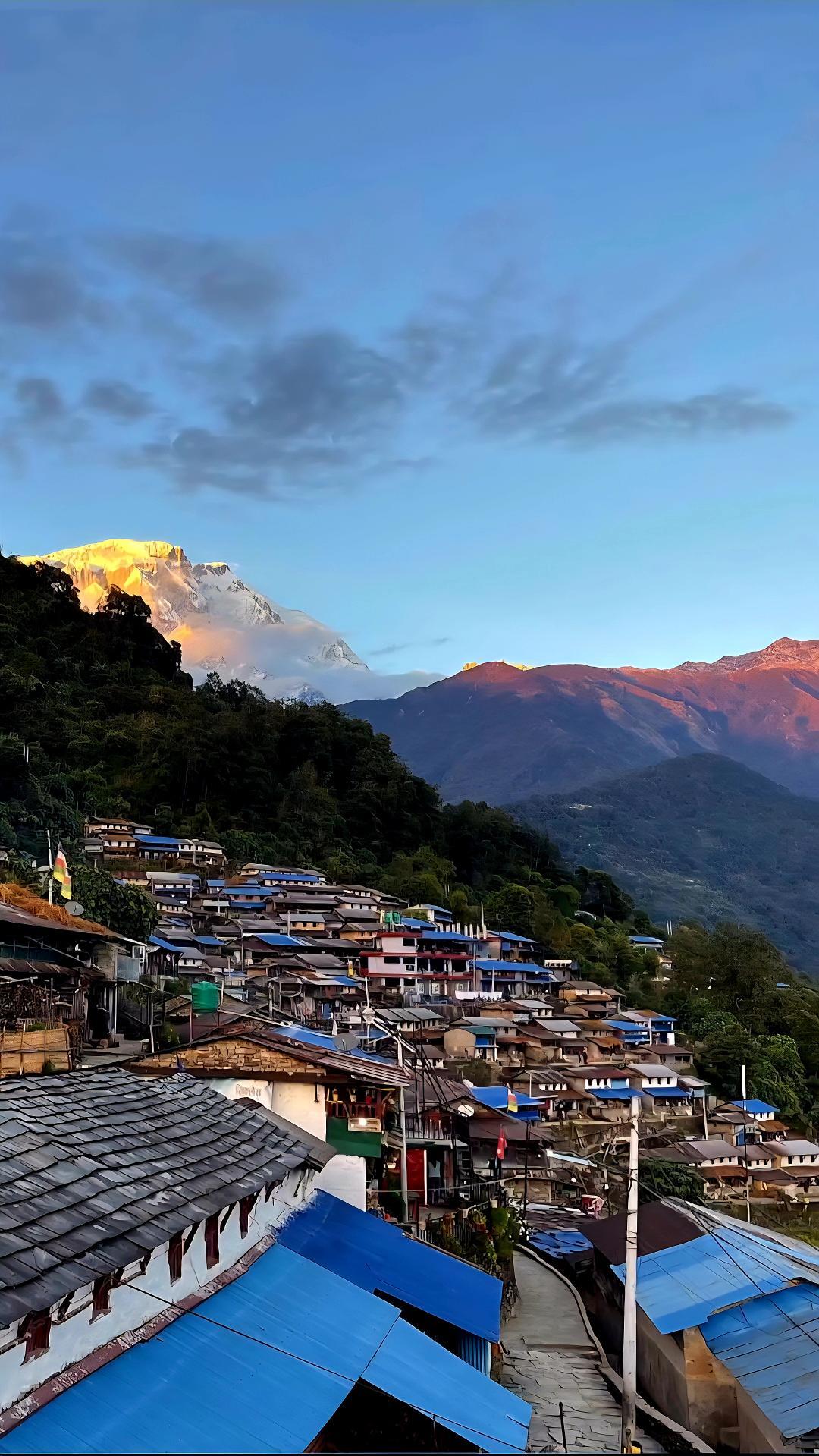
Discover the serene beauty of Kori Danda – a high‑altitude ridge in the Annapurna region offering stunning mountain views, cultural encounters, and essential...
First-Time Visitor Guide to Kori Danda
Kori Danda is a hidden gem nestled in the Annapurna region of Nepal, offering breathtaking vistas of towering peaks such as Annapurna II, Lamjung Himal, and the iconic Machapuchare (Fishtail). Situated at approximately 3,800 meters above sea level, this tranquil ridge provides a perfect escape for trekkers seeking solitude, spectacular sunrise views, and an authentic taste of Himalayan culture. This guide is crafted for first‑time visitors who want to make the most of their journey to Kori Danda while staying safe, comfortable, and well‑informed.
Overview
Kori Danda lies along the popular Annapurna Circuit trail, yet it remains less crowded than the main teahouse hubs. The ridge is accessible via a side trek from the village of Bhulbhule or from the town of Besi Sahar. Its altitude rewards hikers with panoramic 360‑degree views that change dramatically with the light. The area is dotted with traditional Gurung settlements, prayer flags fluttering in the wind, and occasional sightings of Himalayan wildlife such as the Himalayan monal and snow‑colored yak.
Getting There
From Kathmandu
- Travel to Pokhara – Take a tourist bus or a flight from Kathmandu to Pokhara (approximately 6‑8 hours by road or 25 minutes by air).
- Pokhara to Besi Sahar – Catch a local bus or hire a jeep from Pokhara to Besi Sahar (about 4‑5 hours).
- Besi Sahar to Bhulbhule – Continue by bus or jeep to Bhulbhule, the starting point of the Annapurna Circuit (roughly 2‑3 hours).
- Trek to Kori Danda – From Bhulbhule, follow the trail upward through Bahundanda, Chamje, and Dharapani before taking a side trail that leads to Kori Danda. The trek from Bhulbhule to Kori Danda typically takes 2‑3 days depending on pace and acclimatization stops.
Alternative Route via Nayapul
If you prefer starting from Nayapul (near Pokhara), you can trek the Annapurna Circuit in the usual direction (Nayapul → Tikhedhunga → Ghorepani → Tadapani → Ghandruk → Chomrong → Dovan → Deurali → Machapuchare Base Camp → Annapurna Base Camp) and then divert toward Kori Danda from the high camps. This route is longer but offers more varied scenery.
Best Time to Visit
The ideal windows for visiting Kori Danda are:
- Pre‑monsoon (March to May) – Mild temperatures, blooming rhododendrons, and clear skies.
- Post‑monsoon (late September to November) – Stable weather, excellent visibility, and the festive atmosphere of Dashain and Tihar.
Avoid the monsoon months (June to August) due to heavy rainfall, slippery trails, and leech infestations. Winter (December to February) brings freezing temperatures and occasional snowfall, which can make the trek challenging without proper gear.
What to See and Do
Sunrise and Sunset Views
Kori Danda is renowned for its sunrise panorama. Wake up early, find a comfortable spot on the ridge, and watch the first light paint Annapurna II, Lamjung Himal, and Machapuchare in shades of gold and pink. Sunset offers equally stunning hues as the mountains cast long shadows across the valleys.
Photography Hotspots
- Panoramic Vista Point – The central clearing provides a 360‑degree view perfect for landscape shots.
- Prayer Flag Lines – Colorful flags against the stark mountain backdrop create vibrant compositions.
- Traditional Stone Houses – Capture the rustic charm of Gurung homes with their slate roofs.
Cultural Encounters
Interact with local Gurung families who often run small teahouses along the trail. Learn about their customs, taste homemade dal bhat (lentil soup with rice), and perhaps join a short folk dance if you visit during a festival.
Side Treks
- Kori Danda to Tilicho Lake – A challenging high‑altitude trek leading to one of the world’s highest lakes.
- Kori Danda to Annapurna Base Camp – For those with extra time and stamina, continue onward to the legendary ABC.
Accommodation
Teahouses
Most trekkers stay in basic teahouses that offer:
- A private or shared room with twin beds.
- Common dining area serving meals.
- Shared bathroom facilities (often squat toilets).
- Blankets; however, bringing a sleeping bag rated to -10°C is advisable.
Camping
For those seeking more solitude, camping is permitted at designated spots near the ridge. Ensure you follow Leave No Trace principles, pack out all waste, and obtain any necessary permits from the Annapurna Conservation Area Project (ACAP).
Booking Tips
- Advance Reservations – During peak seasons (October‑November and March‑April), teahouses fill quickly; consider booking via your trekking agency a week ahead.
- Cash Only – ATMs are scarce beyond Besi Sahar; carry enough Nepali rupees for accommodation, meals, and tips.
Food and Drink
Teahouse menus typically feature:
- Dal Bhat – Lentil soup, rice, vegetable curry, and pickle (the staple trekker’s meal).
- Thukpa – Noodle soup with vegetables or meat.
- Momos – Steamed dumplings filled with buffalo or vegetables.
- Chapati – Flatbread served with honey or jam.
- Snacks – Chocolate bars, biscuits, and dried fruits** – Available for purchase at larger villages.
Stay hydrated with boiled or treated water. Many teahouses offer hot lemon ginger tea, which helps with altitude acclimatization. Avoid drinking untreated stream water; use purification tablets or a filter.
Travel Tips
- Acclimatization – Spend at least one night at 2,500‑3,000 meters before ascending to Kori Danda. Consider a rest day in Bhulbhule or Dharapani.
- Physical Preparation – Regular cardio, strength training, and practice hikes with a loaded backpack will make the trek enjoyable.
- Gear Essentials – Sturdy trekking boots, layered clothing (base, insulating, waterproof shell), hat, gloves, sunglasses, sunscreen (SPF 50+), headlamp, trekking poles, and a reliable backpack (30‑40 L).
- Permits – You need an ACAP permit and a TIMS (Trekkers’ Information Management System) card. Both can be obtained in Kathmandu or Pokhara.
- Guide/Porter – While the trail is well‑marked, hiring a local guide enhances safety and cultural insight. Porters can carry heavy loads, allowing you to trek lighter.
- Communication – Mobile coverage is sporadic; consider buying a local SIM (NTC or Ncell) and keep a power bank.
- Respect Local Customs – Dress modestly, ask before photographing people, and remove shoes when entering homes.
- Emergency Preparedness – Carry a basic first‑aid kit, know the symptoms of altitude sickness (headache, nausea, dizziness), and have a plan for evacuation (helicopter rescue is available but costly).
Safety and Health
- Altitude Sickness – Ascend gradually, stay hydrated, and consider acetazolamide (Diamox) after consulting a doctor.
- Weather Changes – Mountain weather can shift rapidly; always carry extra layers and a waterproof jacket.
- Trail Conditions – Watch for loose rocks, especially after rain; use trekking poles for stability.
- Wildlife – Keep a respectful distance from yaks and avoid feeding them.
- Health Facilities – The nearest health post is in Dharapani; for serious issues, evacuation to Pokhara or Kathmandu may be necessary.
Frequently Asked Questions (FAQs)
Q1: How difficult is the trek to Kori Danda?
A: The trek is moderate to challenging due to altitude and some steep sections. With proper acclimatization and average fitness, most trekkers complete it comfortably.
Q2: Do I need a guide to reach Kori Danda?
A: It is not mandatory, but a guide is highly recommended for first‑time visitors unfamiliar with the region’s trails and customs.
Q3: What is the average daily budget?
A: Expect to spend approximately $25‑$35 USD per day, covering meals, accommodation, permits, and miscellaneous expenses.
Q4: Can I charge my electronic devices?
A: Most teahouses offer charging for a small fee (around $1‑$2 per hour). Bring a universal adapter and a power bank.
Q5: Is there mobile internet on Kori Danda?
A: Coverage is limited; you may get a weak 3G signal near the ridge, but do not rely on it for critical communication.
Q6: Are there any cultural festivals I could witness?
A: If you visit during October‑November, you may encounter Dashain and Tihar celebrations in local villages, featuring music, dance, and traditional rituals.
Q7: What should I do with my waste?
A: Pack out all non‑biodegradable waste. Use designated pit toilets where available, and bury biodegradable waste at least 200 m from water sources.
Q8: Can I trek solo?
A: Solo trekking is permitted, but it is safer to trek with at least one companion or hire a guide/porter for navigation and emergency support.
Conclusion
Kori Danda offers a unique blend of serene natural beauty, cultural richness, and accessible adventure for first‑time visitors to Nepal’s Annapurna region. By planning your trip with attention to acclimatization, gear, and local customs, you’ll enjoy a rewarding trek that leaves you with lasting memories of sunrise‑kissed peaks, warm Gurung hospitality, and the quiet majesty of the Himalayas. Lace up your boots, pack your spirit of adventure, and let Kori Danda reveal its timeless charm.
—
Safe travels and happy trekking!