
A comprehensive guide to visiting Lumbini, Nepal, covering history, travel tips, and cultural insights for first-time visitors.
First-Time Visitor Guide to Lumbini
Introduction
Lumbini Nepal is the birthplace of Siddhartha Gautama, the historical Buddha, and is recognized as a UNESCO World Heritage Site. This sacred garden, situated in the Rupandehi District of southern Nepal, draws pilgrims, scholars, and travelers from around the globe. For first-time visitors, the site offers a unique blend of spiritual reflection, historical insight, and natural beauty. This comprehensive guide provides essential information, practical advice, and cultural insights to ensure a meaningful and comfortable visit.
Historical Significance
The site of Lumbini has been revered for over two millennia. According to Buddhist tradition, Queen Maya gave birth to Siddhartha in a grove of sal trees around 563 BCE. The exact location is marked by the Ashoka Pillar, erected by Emperor Ashoka in 249 BCE, which bears an inscription confirming the site as the Buddha's birthplace. The surrounding area includes ruins of ancient monasteries, stupas, and shrines, reflecting the evolution of Buddhist architecture and practice.
Key Historical Landmarks
- Ashoka Pillar: A stone column with a Brahmi inscription that identifies Lumbini as the birthplace of the Buddha.
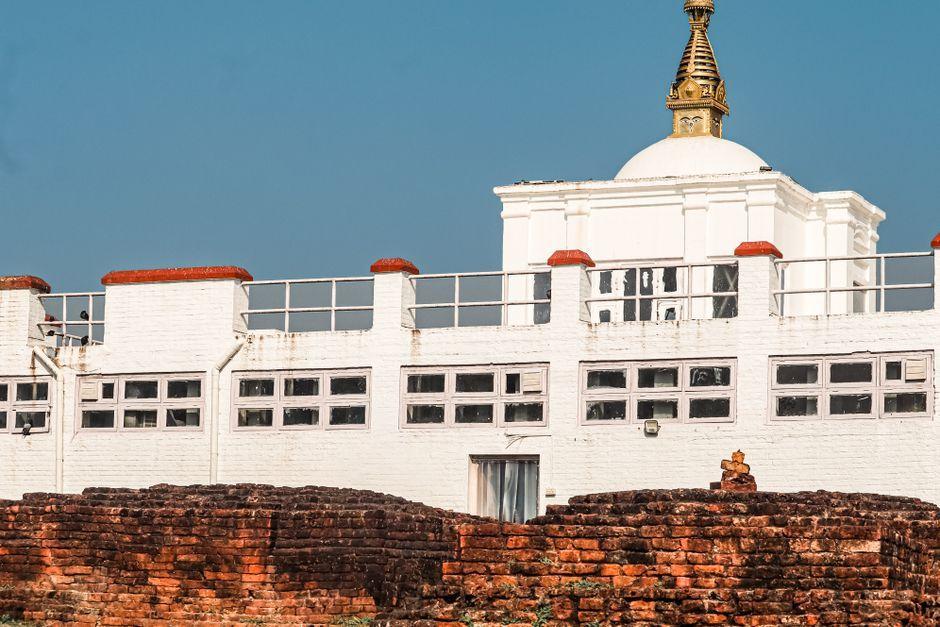
- Maya Devi Temple: A structure built over the traditional birth spot, featuring intricate carvings and a sacred pond.
- Sacred Garden: The meticulously maintained garden that surrounds the temple, offering a peaceful environment for meditation.
- Monastic Complexes: Remains of ancient viharas and stupas that illustrate the monastic life of early Buddhist communities.
Getting There
Reaching Lumbini is convenient for international and domestic travelers. The nearest airport is Gautam Buddha International Airport in Siddharthanagar, approximately 22 kilometers away. From the airport, taxis, private cars, or local buses are available for the short ride to the site. For those traveling by road, the East-West Highway connects Lumbini to major cities such as Kathmandu, Pokhara, and Birgunj. Frequent bus services and private vehicles provide reliable access.
Transportation Options
- By Air: Fly into Gautam Buddha International Airport, then take a taxi or shuttle.
- By Road: Use the East-West Highway; buses run regularly from Kathmandu and Pokhara.
- By Rail: The nearest railway station is at Siddharthanagar, with limited services.
Best Time to Visit
The climate in Lumbini is subtropical, with distinct wet and dry seasons. The optimal period for visiting is from October to March, when temperatures are mild and rainfall is low. During this window, visitors can explore the outdoor sites comfortably and participate in meditation sessions without the inconvenience of heavy rain. The spring festival of Buddha Purnima, which usually falls in May, attracts large crowds and special ceremonies, offering a vibrant cultural experience.
Accommodation Options
Lumbini offers a range of lodging choices to suit different budgets and preferences. From luxury resorts to modest guesthouses, travelers can find comfortable places to stay near the sacred garden.
Recommended Hotels
- Lumbini Garden Hotel: A mid-range property with modern amenities and a garden view.
- Buddha Maya Garden Resort: An upscale resort featuring spa services and an on-site restaurant.
- Siddhartha Guest House: A budget-friendly option located within walking distance of the temple.
For those seeking a more immersive experience, several monasteries provide simple accommodations for pilgrims and meditation practitioners. Staying within the monastic compounds allows for early morning prayers and quiet reflection.
Must-See Attractions
Beyond the central temple complex, Lumbini boasts several sites that enrich the visitor experience.
Additional Sites
- Lumbini Museum: Exhibits artifacts, photographs, and manuscripts related to the life of the Buddha and the development of Buddhism.
- Japanese Stupa: A Peace Pagoda built by the Japanese Buddhist community, offering panoramic views of the area.
- Chinese Temple: A traditional Chinese-style temple with beautiful gardens and a serene atmosphere.
- International Buddhist Monasteries: Monasteries from various countries, including Thailand, Myanmar, and Sri Lanka, each showcasing distinct architectural styles.
Cultural Etiquette
Visitors are expected to observe respectful behavior in keeping with the sacred nature of the site. Shoes should be removed before entering temples and shrines. Modest clothing, covering shoulders and knees, is recommended. Photography is permitted in most areas, but flash and tripods may be restricted. When interacting with monks or local devotees, a polite greeting and a slight bow are appropriate.
Practical Etiquette Tips
- Remove shoes at designated areas.
- Speak softly and avoid loud conversations.
- Do not point feet at sacred objects.
- Offer a small donation if guided by a monk.
Travel Tips
Planning ahead enhances the overall experience. Here are some practical suggestions for first-time visitors.
Essential Travel Tips
- Carry a lightweight backpack with water, sunscreen, and a hat.
- Bring a reusable water bottle; refill stations are available.
- Use a portable charger for electronic devices.
- Download offline maps and translation apps.
- Keep copies of important documents in a secure location.
Safety and Health
Lumbini is generally safe, with low crime rates. Standard precautions include safeguarding personal belongings and being aware of surroundings. The local medical facility in Siddharthanagar provides basic healthcare services; for serious conditions, travel to Kathmandu is advisable.
FAQs
Q: What is the best way to get from Kathmandu to Lumbini?
A: The most common method is by bus or private vehicle along the East-West Highway. The journey takes approximately 6 to 8 hours, depending on traffic.
Q: Are there entry fees for the sacred garden?
A: Foreign visitors pay a nominal fee, while Nepali citizens enter free of charge. The fee contributes to the maintenance of the site.
Q: Can I bring my children to Lumbini?
A: Yes, families are welcome. However, children should be supervised and taught to respect the sacred environment.
Q: Is photography allowed inside the temple?
A: Photography is generally permitted, but flash and tripods may be prohibited. Always check posted signs.
Q: What is the currency used in Lumbini?
A: The official currency is the Nepalese Rupee (NPR). Credit cards are accepted in larger hotels and restaurants, but cash is preferred for small purchases.
Conclusion
A visit to Lumbini Nepal offers a profound opportunity to connect with the origins of Buddhism and to experience a place of deep spiritual significance. By following the guidelines outlined in this First-Time Visitor Guide to Lumbini, travelers can navigate the site with confidence, respect, and appreciation. Whether you seek enlightenment, historical insight, or simply a peaceful retreat, Lumbini promises an unforgettable journey.
Additional Resources
For those who wish to delve deeper into the history and spirituality of Lumbini, several books and online resources are available. The book 'Lumbini: The Birthplace of Buddha' by Dr. Rajendra Prasad provides an in-depth archaeological overview. The official website of the Lumbini Development Trust offers interactive maps and event calendars. Additionally, the UNESCO World Heritage listing includes detailed documentation and photographs. Visitors can also explore the Lumbini Museum's digital archive, which features ancient manuscripts and artifacts. For spiritual guidance, the Lumbini Vihara offers meditation retreats and talks by experienced monks. These resources enhance the understanding of the site's significance and support a more enriching visit.
Nearby Attractions
Beyond the sacred garden, the surrounding region offers several points of interest. The ancient city of Kapilavastu, located about 25 kilometers away, is believed to be the place where Prince Siddhartha spent his early life. The ruins of the palace complex provide insight into the architectural style of the Shakya kingdom. Additionally, the Tilaurakot archaeological site, identified by some scholars as the location of the Buddha's childhood home, features remnants of ancient walls and water systems. These sites complement the Lumbini experience and are reachable by local transport.