
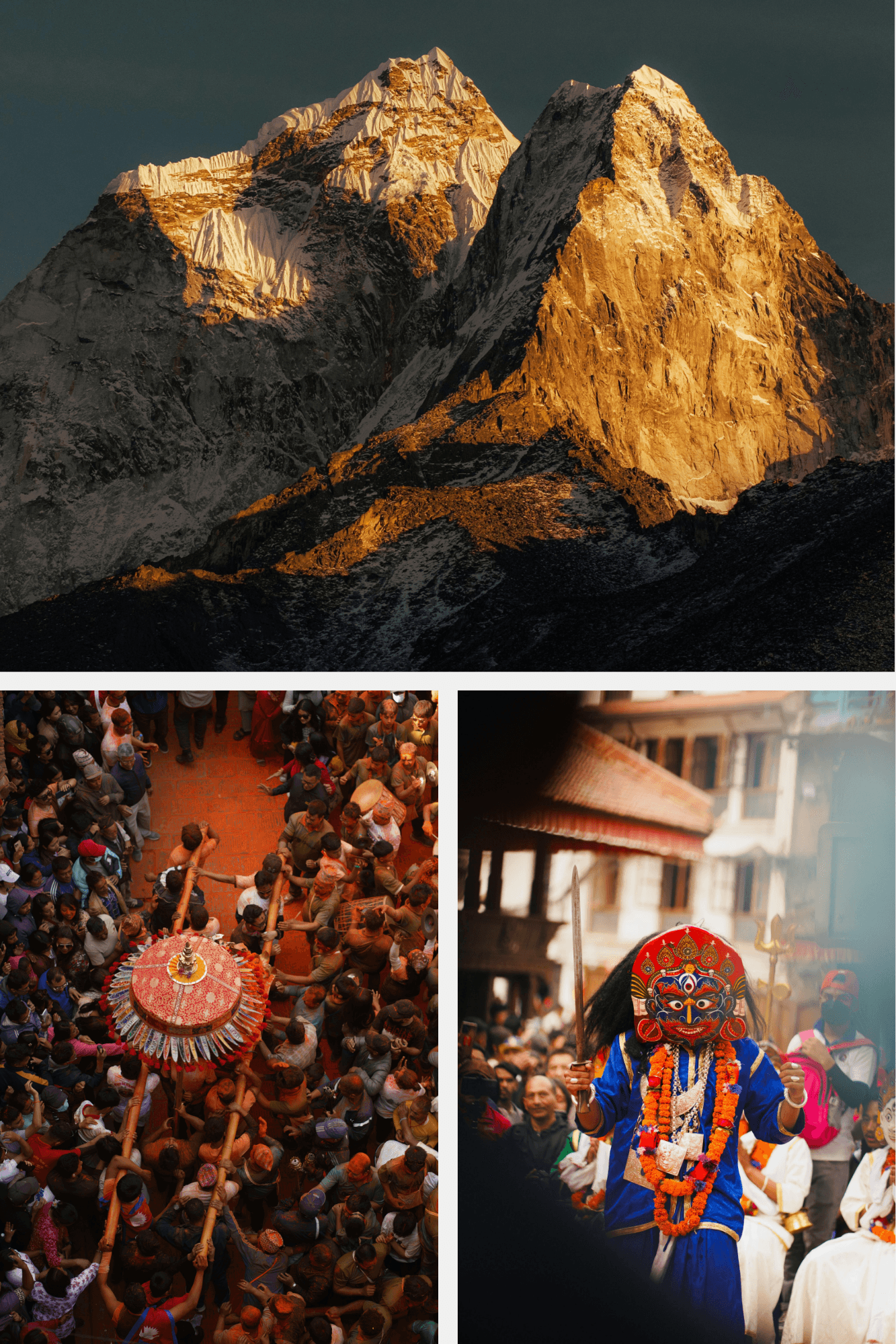
Explore Nepal’s Himalayas, temples, and culture with essential tips for first‑time visitors.
First-Time Visitor Guide to Nepal
Introduction
Welcome to the ultimate First-Time Visitor Guide to Nepal, your comprehensive resource for exploring the land where the Himalayas kiss the sky, ancient spirituality meets vibrant street life, and every turn reveals a new adventure. Whether you dream of standing at the base of Mount Everest, wandering through centuries‑old temples in Kathmandu, or spotting rhinos in Chitwan’s jungles, this guide will equip you with the facts, tips, and inspiration you need for an unforgettable trip to Nepal Nepal.
Why Visit Nepal?
Nepal offers a rare blend of natural grandeur and cultural depth. Home to eight of the world’s fourteen highest peaks, including Mount Everest, the country is a trekker’s paradise. Beyond the mountains, you’ll find:
- Spiritual heritage: Lumbini, the birthplace of Buddha; numerous Hindu and Buddhist stupas, monasteries, and temples.
- Warm hospitality: Nepalis are famed for their friendliness and willingness to share a cup of chiya (tea) with strangers.
- Biodiversity: From subtropical jungles teeming with wildlife to alpine meadows dotted with rhododendrons.
- Adventure opportunities: White‑water rafting, paragliding, mountain biking, and ultra‑marathons.
Best Time to Visit
The climate varies dramatically with altitude. For most travelers, the ideal windows are:
- Spring (March–May): Mild temperatures, blooming rhododendrons, clear views of the Himalayas—perfect for trekking.
- Autumn (September–November): Stable weather, excellent visibility, and the festive atmosphere of Dashain and Tihar.
- Winter (December–February): Cold in the highlands, but great for lower‑altitude cultural tours and fewer crowds.
- Monsoon (June–August): Heavy rains make trekking challenging; however, the lush greenery is ideal for wildlife safaris in the Terai.
Getting There
Tribhuvan International Airport (KTM) in Kathmandu is the primary gateway. Major airlines operate direct flights from hubs such as Delhi, Doha, Dubai, Bangkok, and Singapore. Upon arrival, you can take a pre‑booked taxi, airport shuttle, or public bus to reach Thamel, the tourist hub.
Visa & Entry Requirements
Most nationalities can obtain a tourist visa on arrival at KTM or land borders. Key points:
- Visa fees: USD 30 for 15 days, USD 50 for 30 days, USD 125 for 90 days (multiple entry).
- Requirements: Passport valid for at least six months, one passport‑size photo, and proof of onward travel.
- Extensions: Possible at the Department of Immigration in Kathmandu for up to 150 days total per calendar year.
- COVID‑19: As of 2024, no vaccination or testing requirements for entry, but check for updates before departure.
Currency & Money
The official currency is the Nepalese Rupee (NPR). ATMs are widespread in cities and tourist areas; however, carry some cash for remote villages. Credit cards are accepted in hotels, upscale restaurants, and larger shops, but smaller establishments prefer cash. Exchange rates fluctuate; it’s wise to compare rates at authorized money changers.
Language & Communication
Nepali is the official language. English is widely spoken in the tourism sector, especially in Kathmandu, Pokhara, and trekking hubs. Learning a few basic Nepali phrases—such as 'Namaste' (hello), 'Dhanyabad' (thank you), and 'Kasto cha?' (how are you?)—goes a long way in building rapport.
Cultural Etiquette
Respecting local customs enhances your experience:
- Remove shoes before entering homes and temples.
- Dress modestly; shoulders and knees should be covered when visiting religious sites.
- Use your right hand (or both hands) for giving and receiving items; the left hand is considered unclean.
- Never point your feet at people or religious artifacts.
- Ask permission before photographing individuals, especially monks or women in traditional attire.
Must‑See Destinations
Kathmandu Valley
The valley hosts three ancient city‑states: Kathmandu, Patan, and Bhaktapur. Highlights include:
- Swayambhunath (Monkey Temple): A stupa perched atop a hill offering panoramic city views.
- Pashupatinath Temple: Sacred Hindu complex on the banks of the Bagmati River; observe cremation rituals from a respectful distance.
- Boudhanath Stupa: One of the largest spherical stupas in the world, a center of Tibetan Buddhism.
- Kathmandu Durbar Square: Historical palaces, temples, and the living goddess Kumari’s residence.
- Patan Durbar Square: Renowned for its exquisite Newari architecture and metalwork.
- Bhaktapur Durbar Square: Famous for its pottery, woodcarving, and the 55‑window palace.
Pokhara
Set beside the serene Phewa Lake with the Annapurna range as a backdrop, Pokhara is the adventure capital:
- Boating on Phewa Lake: Visit the Tal Barahi Temple situated on an island.
- Sarangkot Sunrise: Early‑morning viewpoint for breathtaking Himalayan panoramas.
- World Peace Pagoda: A tranquil stupa offering lake and mountain views.
- Devi’s Fall & Gupteshwor Cave: Waterfall that disappears into an underground cavern.
- Adventure Sports: Paragliding, zip‑lining, ultralight flights, and trekking gateways to the Annapurna Circuit and Base Camp.
Chitwan National Park
A UNESCO World Heritage Site in the lowland Terai, Chitwan is synonymous with wildlife safaris:
- Jeep Safari: Spot Bengal tigers, one‑horned rhinoceros, sloth bears, and various deer species.
- Elephant Back Safari: Traditional way to traverse grasslands and forests.
- Canoe Ride on the Rapti River: Observe crocodiles and waterbirds.
- Tharu Village Tour: Learn about the indigenous Tharu culture, dance, and cuisine.
- Bird Watching: Over 500 species recorded, making it a birder’s paradise.
Lumbini
The birthplace of Siddhārtha Gautama (Buddha) attracts pilgrims and peace seekers:
- Maya Devi Temple: Marks the exact spot where Buddha was born.
- Ashokan Pillar: Erected by Emperor Ashoka in 249 BCE.
- Monastic Zone: Houses monasteries built by various countries, each reflecting distinct architectural styles.
- World Peace Pagoda: A gleaming white stupa symbolizing universal harmony.
Everest Region (Khumbu)
For the ultimate high‑altitude experience:
- Lukla Flight: The thrilling gateway to the Khumbu valley.
- Namche Bazaar: Bustling Sherpa town, acclimatization hub, and weekend market.
- Tengboche Monastery: Spiritual center with stunning views of Ama Dablam.
- Everest Base Camp (EBC): Trek to the foot of the world’s highest peak; optional helicopter return.
- Kala Patthar: Best viewpoint for sunrise over Everest (5,643 m).
Adventure Activities
Beyond trekking, Nepal offers:
- White‑Water Rafting: Rivers like the Trisuli, Seti, and Bhote Koshi provide grades II‑IV rapids.
- Paragliding: Pokhara’s Sarangkot is world‑renowned for tandem flights over the lake and mountains.
- Mountain Biking: Trails range from leisurely rides around Kathmandu to technical downhill routes in the hills.
- Ultra‑Marathons: Events such as the Everest Marathon and Annapurna 100 attract elite runners.
- Zip‑Lining: One of the world’s steepest zip‑lines in Pokhara offers an adrenaline rush.
Food & Drink
Nepali cuisine reflects its ethnic diversity:
- Dal Bhat: Lentil soup, rice, vegetable curry, and pickles—the staple meal.
- Momo: Steamed or fried dumplings filled with meat or vegetables, served with spicy achar.
- Sel Roti: Sweet, rice‑based doughnut‑shaped snack, especially during festivals.
- Thukpa: Hearty noodle soup influenced by Tibetan cuisine.
- Gundruk: Fermented leafy greens, a tangy side dish.
- Juices: Fresh sugarcane, lime, and seasonal fruit juices are ubiquitous.
- Alcohol: Try locally brewed rice beer (chang) or the potent distilled spirit raksi; international beers are also available.
Practical Travel Tips
Health & Safety
- Altitude Sickness: Ascend gradually, stay hydrated, consider acetazolamide (Diamox) after consulting a doctor.
- Vaccinations: Routine shots plus hepatitis A/B, typhoid, and tetanus are recommended; consider Japanese encephalitis for rural stays.
- Travel Insurance: Essential for medical evacuation, especially for high‑altitude trekking.
- Water: Drink bottled or purified water; avoid ice unless you know it’s made from safe water.
- Altitude Clinics: Available in Kathmandu and major trekking hubs.
Transportation
- Domestic Flights: Connect Kathmandu to Pokhara, Bharatpur (Chitwan), and Lukla; book in advance during peak seasons.
- Buses: Tourist buses offer comfort on major routes; local buses are cheaper but can be crowded.
- Taxis & Ride‑Sharing: Metered taxis in Kathmandu; apps like Pathao and Tootle operate in cities.
- Trekking Permits: TIMS (Trekkers’ Information Management System) card and region‑specific permits (e.g., Sagarmatha/Annapurna Conservation Area Permit) are required.
Accommodation
Options range from budget guesthouses ($5‑$15 per night) to mid‑range hotels ($30‑$80) and luxury resorts ($150+). In trekking areas, teahouses provide basic lodging and meals; book ahead during peak seasons.
Connectivity
- SIM Cards: Purchase a tourist SIM (Ncell or Nepal Telecom) at the airport; data packs are affordable.
- Internet: Wi‑Fi is common in hotels and cafes; speed varies.
- Power: Standard voltage is 230 V, 50 Hz; plug types C and D. Carry a universal adapter.
Sample 10‑Day Itinerary
| Day | Location | Highlights |
|---|---|---|
| 1 | Kathmandu | Arrival, explore Thamel, visit Swayambhunath |
| 2 | Kathmandu | Pashupatinath, Boudhanath, Kathmandu Durbar Square |
| 3 | Patan & Bhaktapur | Patan Durbar Square, Bhaktapur Durbar Square, pottery workshop |
| 4 | Drive to Pokhara (6‑7 h) | Lakeside relaxation, Fewa Lake boat ride |
| 5 | Pokhara | Sarangkot sunrise, World Peace Pagoda, Devi’s Fall |
| 6 | Pokhara | Paragliding or ultralight flight, optional short trek to Australian Camp |
| 7 | Drive to Chitwan (4‑5 h) | Tharu village visit, cultural show |
| 8 | Chitwan National Park | Jeep safari, elephant back safari, canoe ride |
| 9 | Chitwan → Lumbini (4‑5 h) | Visit Maya Devi Temple, monastic zone |
| 10 | Lumbini → Kathmandu (flight or drive) | Departure or extra day for shopping |
Adjust the itinerary based on interests—add trekking days in Everest or Annapurna regions, or extend wildlife time in Bardia National Park.
FAQs
Q1: Do I need a guide for trekking in Nepal?
A: While it’spossible to trek independently on well‑marked routes like the Ghorepani Poon Hill trek, hiring a licensed guide is recommended for safety, navigation, and cultural insight, especially on remote or high‑altitude trails.
Q2: Is Nepal safe for solo female travelers?
A: Yes, Nepal is generally safe for solo female travelers. Exercise standard precautions—avoid walking alone at night in unfamiliar areas, keep valuables secure, and respect local dress codes.
Q3: What is the altitude of Everest Base Camp?
A: Everest Base Camp sits at approximately 5,364 meters (17,598 feet) above sea level.
Q4: Can I use credit cards in rural areas?
A: Credit card acceptance is limited outside major towns and tourist hubs. Carry sufficient cash (NPR) for meals, accommodation, and transport in rural regions.
Q5: Are there any restrictions on drones?
A: Drone use requires permission from the Department of Tourism and, in some areas, clearance from local authorities. Avoid flying near airports, religious sites, and private property without consent.
Q6: What should I pack for a trek?
A: Essential items include sturdy trekking boots, layered clothing (thermal base, fleece, down jacket), waterproof shell, hat, gloves, sunglasses, sunscreen, water purification tablets, headlamp, first‑aid kit, and a reusable water bottle.
Q7: How can I respect the environment while traveling?
A: Follow Leave No Trace principles: pack out all waste, use designated toilets, stay on marked trails, avoid picking plants, and support eco‑friendly lodges that practice waste management and solar power.
Q8: Is there a time difference I should be aware of?
A: Nepal Time (NPT) is UTC+5:45 year‑round; there is no daylight saving time.
Conclusion
Nepal is a land where every horizon tells a story—of towering peaks that challenge the human spirit, of ancient stones that whisper prayers, and of smiles that greet you like an old friend. By following this First-Time Visitor Guide to Nepal, you’ll be equipped with the practical knowledge, cultural sensitivity, and sense of adventure needed to turn a simple trip into a transformative experience. Pack your bags, lace up your boots, and let the magic of Nepal Nepal capture your heart. Safe travels!