
Ultimate guide to Shey Phoksundo Lake Nepal: trekking routes, permits, best time, and travel tips for first-time visitors.
First-Time Visitor Guide to Shey Phoksundo Lake, Nepal
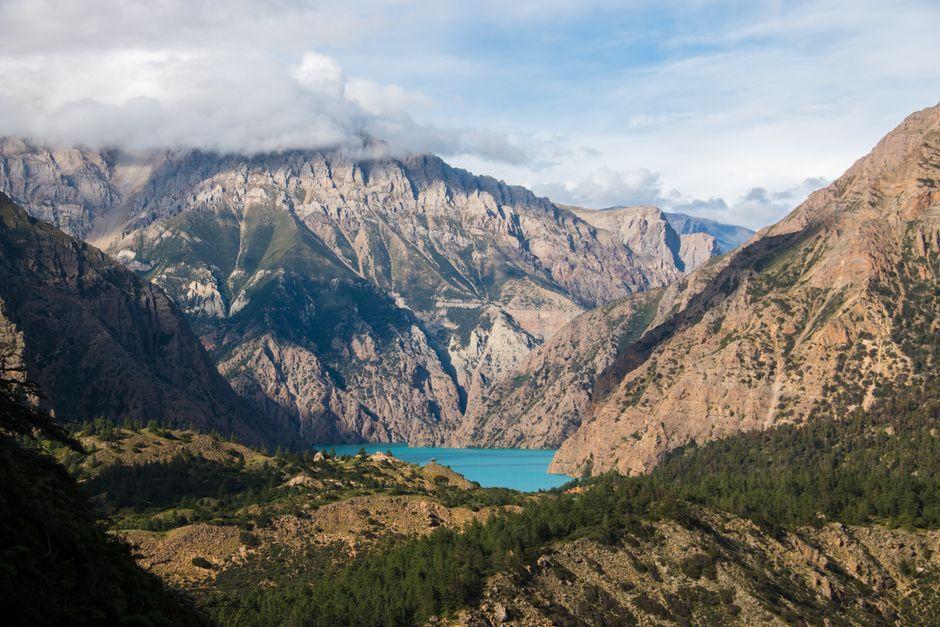
Nestled high in the remote Dolpo region of northwestern Nepal, Shey Phoksundo Lake shimmers like a turquoise gem against the stark, rugged terrain of the Himalayas. At 3,611 meters above sea level, this glacial lake is not only the deepest in Nepal but also one of the most visually stunning. For first-time visitors, the journey to Shey Phoksundo Lake is as transformative as the destination itself. This guide is designed to equip you with everything you need to know—from trekking routes and permit requirements to the best time to visit and cultural etiquette—ensuring your trip to Shey Phoksundo Lake Nepal is seamless, safe, and unforgettable.
The Jewel of the Dolpo Region
Shey Phoksundo Lake sits within the boundaries of Shey Phoksundo National Park, a protected area that spans over 1,710 square kilometers of pristine wilderness. The lake’s striking color, ranging from vivid turquoise to deep azure, is fed by glacial melt and underground springs, creating a surreal contrast with the barren, wind-swept slopes surrounding it. The lake plunges to a depth of approximately 145 meters, making it the deepest lake in Nepal. Its surface mirrors the towering peaks of the Dhaulagiri and Kanjirowa ranges, offering photographers and trekkers some of the most dramatic compositions in the Himalayas.
Beyond its visual allure, Shey Phoksundo Lake is a sanctuary for unique wildlife. The national park is home to snow leopards, Himalayan blue sheep, and the elusive wolf. Birdwatchers can spot the Himalayan griffon, lammergeier, and various alpine passerines. The region also preserves the ancient Bon and Tibetan Buddhist cultures, with monasteries chiselled into cliff faces and fluttering prayer flags that color the mountain passes. For a first-time visitor, understanding this blend of natural grandeur and spiritual heritage enriches the experience far beyond a typical trek.
Best Time to Visit Shey Phoksundo Lake
Timing your visit is crucial for safety and enjoyment. The optimal window is from late May to early October. During these months, the weather is relatively stable, rhododendron forests are in bloom, and the high-altitude passes are free of heavy snow. The pre-monsoon period (May-June) offers clear skies and vibrant flora, while the post-monsoon months (September-October) provide crisp air and excellent visibility. Winter months (November to April) bring sub-zero temperatures, closed trails, and extreme isolation, making the trek suitable only for experienced high-altitude mountaineers with proper expedition support.
If you’re a first-time visitor, aim for September or October. The monsoon has receded, the landscape is lush, and the daytime temperatures are manageable, though nights remain cold. Always check current trail conditions and weather forecasts before departure, as the Dolpo region’s weather can change rapidly.
How to Reach Shey Phoksundo Lake: Trekking Routes & Logistics
Reaching Shey Phoksundo Lake is not a casual day trip; it is a committed trek through one of Nepal’s least developed regions. The most common starting point is Juphal, a small airstrip reachable by a short flight from Pokhara or Nepalgunj. From Juphal, the trail winds through picturesque villages, cascading waterfalls, and steep mountain passes.
The classic trek to Shey Phoksundo Lake typically takes 7 to 10 days, depending on your pace and acclimatization needs. A popular route follows: Juphal → Papalsen → Dho Tarap → Shey Phoksundo Lake. The trail crosses the Numa La Pass (around 5,260 meters) and the Baga La Pass (approx. 5,050 meters), both of which demand proper acclimatization and good physical fitness. Permits are mandatory: you’ll need a Shey Phoksundo National Park entry permit, a restricted area permit for Dolpo, and a standard TIMS (Trekkers’ Information Management System) card. These can be arranged in Kathmandu or Pokhara through registered trekking agencies.
Hiring a local guide and porter is highly recommended. Not only does it support the local economy, but it also significantly enhances safety, as guides are adept at navigation, altitude sickness prevention, and cultural translation. Many first-time visitors underestimate the remoteness of Dolpo; having a knowledgeable local partner makes all the difference.
What Makes Shey Phoksundo Lake Unique
The lake’s ecosystem is as fragile as it is beautiful. The surrounding meadows bloom with alpine flowers during summer, attracting hundreds of blue sheep and colorful birds. The lake’s shoreline is dotted with chortens and prayer flags, reflecting the deep spiritual connection the local Tibetan-Buddhist communities have with this sacred water. In the local dialect, “Phoksundo” roughly translates to “lake of the phoksun,” a term that underscores its revered status.
Culturally, the Dolpo region offers a glimpse into a way of life that has changed little over centuries. Traditional stone houses, yak caravans, and animist-Buddhist rituals are part of daily life. Visitors are encouraged to dress modestly, ask permission before photographing people or religious sites, and participate respectfully if invited to share local butter tea or barley bread. This cultural sensitivity fosters mutual respect and enhances the authenticity of your journey.
Essential Travel Tips for First-Timers
- Acclimatization is non-negotiable. Gaining altitude too quickly is the leading cause of trek failures in Dolpo. Plan rest days at Dho Tarap and other high points. Carry medication for acute mountain sickness (Diamox), but consult a doctor before your trip.
- Pack light, but pack smart. Weight matters when you’re crossing high passes. Essentials include a high-quality down jacket, thermal layers, a reliable sleeping bag rated for -10°C, sturdy trekking boots, a water purification system, and a first-aid kit. Don’t forget a headlamp with extra batteries—electricity is scarce.
- Respect the environment. Shey Phoksundo National Park is a fragile ecosystem. Carry out all non-biodegradable waste, use reusable bottles, and avoid single-use plastics. The park’s integrity depends on responsible tourism.
- Cash is king. ATMs do not exist in Dolpo. Carry sufficient Nepalese rupees from Pokhara or Kathmandu to cover permits, accommodations, meals, and tips. Small denominations are especially useful.
- Stay connected, but expect gaps. Mobile network coverage is virtually non-existent beyond Juphal. Consider a satellite messenger or emergency beacon for peace of mind, especially if trekking solo.
- Cultural etiquette. Always walk clockwise around chortens and prayer wheels. Remove shoes before entering homes or monasteries. A simple “Namaste” goes a long way in building rapport with locals.
Frequently Asked Questions about Shey Phoksundo Lake
Q: Is Shey Phoksundo Lake suitable for beginners?
A: Due to the high altitude, remote location, and demanding passes, this trek is better suited for those with prior high-altitude trekking experience. However, a fit and determined first-timer who acclimatizes properly and hires a good guide can successfully complete the circuit.
Q: How many days does the trek take?
A: Most itineraries range from 10 to 14 days, including arrival, acclimatization days, and return. A condensed 7-day trek is possible but increases fatigue and altitude risk.
Q: What is the lake’s surface elevation?
A: Shey Phoksundo Lake sits at 3,611 meters (11,847 feet) above sea level.
Q: Can I visit independently?
A: Independent trekking is possible but highly challenging. The restricted area permit requires registration with a trekking agency or the Nepalese government. Most visitors opt for organized tours for logistics and safety.
Q: Are there accommodations near the lake?
A: Teahouses are basic and limited. Most trekkers camp along the route, and a few eco-lodges exist in Dho Tarap. Bring a lightweight tent and sleeping gear for flexibility.
Q: What should I do in case of altitude sickness?
A: Descend immediately if symptoms worsen. Stay hydrated, avoid exertion, and communicate with your guide. The nearest medical facilities are in Juphal or Nepalgunj, so prevention is paramount.
Conclusion: Embark on Your Himalayan Adventure
Shey Phoksundo Lake is more than a destination; it’s a passage into one of Nepal’s most unspoiled and spiritually resonant corners. For the first-time visitor, the challenges of the trek are amply rewarded by the lake’s otherworldly color, the silence of the high mountains, and the warm hospitality of the Dolpo people. As you plan your journey, remember that preparation, respect, and an open heart are your greatest gear. Whether you’re chasing the perfect sunrise photograph, seeking solitude among glacial giants, or simply yearning to walk a trail fewer have trodden, Shey Phoksundo Lake Nepal promises an experience that will linger in your memory long after you’ve descended the hills. Start planning today, pack with purpose, and step into the turquoise wonder of the Dolpo region with confidence and respect.