
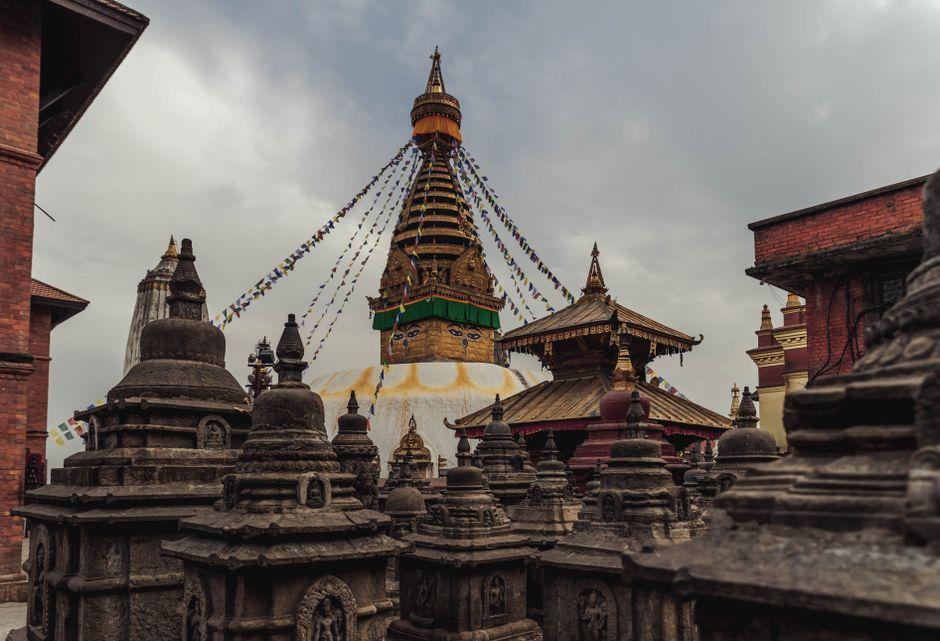
Discover the enchanting beauty of Swayambhunath Stupa, Nepal's iconic sacred mountain. This comprehensive guide covers history, practical tips, and cultural ...
First-Time Visitor Guide to Swayambhunath Stupa: Nepal’s Sacred Mountain
Nestled on a small hilltop just west of Kathmandu, Swayambhunath Stupa stands as one of Nepal’s most revered Buddhist landmarks. Often referred to as the "Monkey Temple," this ancient monument offers visitors a profound spiritual experience amidst stunning Himalayan views. For anyone planning their first journey to Nepal, this sacred site represents the perfect blend of history, culture, and natural beauty.
Whether you're drawn by the mystical legends surrounding its origins or simply seeking a peaceful retreat from urban chaos, Swayambhunath promises an unforgettable encounter with one of Asia's most iconic religious sites. This comprehensive guide will walk you through everything you need to know before your visit, ensuring you make the most of your time exploring this holy destination.
What Is Swayambhunath Stupa?
Swayambhunath, meaning "The Monkey God" in Sanskrit, is a centuries-old stupa that has been a center of Buddhist worship since the 9th century. Perched atop a modest hill approximately 1,500 meters above sea level, the complex combines architectural grandeur with spiritual significance. The stupa itself is adorned with intricate carvings depicting various deities, while the surrounding area features thousands of resident monkeys who have become an integral part of the temple's ecosystem.
The site holds deep historical importance as it is believed to be associated with the legendary Buddha's birthplace. According to tradition, the stupa was originally built by King Swayambhu (meaning "the holy one") around 878 AD, though some sources suggest earlier constructions dating back to the 5th century. Over the millennia, the site has evolved into a vibrant pilgrimage destination attracting devotees from across Nepal and beyond.
History and Significance
Ancient Origins
The story of Swayambhunath begins over a thousand years ago when local legend tells of a miraculous event involving a golden egg laid by a celestial being. From this egg emerged the Buddha, making the hill sacred from its earliest days. Archaeological evidence suggests continuous religious activity at the site for nearly two millennia.
During the Malla dynasty period (12th-18th centuries), the stupa underwent significant renovations and expansions. These periods saw the construction of numerous shrines, statues, and infrastructure that define the site today. The complex now encompasses multiple temples, monasteries, and residential areas for monks and pilgrims.
Religious Importance
Swayambhunath occupies a special place in Buddhist tradition. It is considered one of the principal pilgrimage sites in Nepal, drawing hundreds of thousands of devotees annually. The stupa symbolizes the Buddha's first sermon, where he taught the Four Noble Truths to his disciples. Devotees come to seek blessings, perform rituals, and reflect on the path to enlightenment.
The site also embodies the concept of compassion in Buddhism. The countless monkeys that inhabit the area are seen as manifestations of the Buddha's boundless love, and many pilgrims offer food and water to them as acts of devotion.
How to Reach Swayambhunath Stupa
Transportation Options
Getting to Swayambhunath is relatively straightforward given its proximity to Kathmandu:
By Car: The most common method involves driving from Kathmandu city center. The route takes approximately 30-45 minutes depending on traffic conditions. Many tour operators offer guided transfers that include transportation to the hilltop.
By Public Bus: Budget travelers can take a bus from Thamel or other central locations to the nearby town of Pashupatinath, then transfer to a local taxi or shared jeep. While scenic, this option requires more planning and may involve longer travel times.
By Taxi/Rideshare: Private taxis are readily available near major hotels and tourist hubs. This provides the most convenient door-to-door service but comes at a higher cost compared to public transport.
Best Time to Visit
While Swayambhunath is accessible year-round, the optimal visiting times depend on your preferences:
- Spring (March-May): Pleasant temperatures and blooming landscapes create ideal conditions for exploration.
- Autumn (September-November): Cooler weather and clear skies make this a popular season for tourists.
- Winter (December-February): Cold temperatures prevail, but fewer crowds mean a more serene experience.
- Summer (June-August): Hotter weather with occasional monsoon showers; still viable but less comfortable.
Note that during peak seasons, especially around festivals like Dashain and Tihar, expect larger crowds and potential delays.
What to See at Swayambhunath Stupa
The Main Stupa
The towering white stupa dominates the skyline and serves as the focal point of the entire complex. Its distinctive shape resembles a giant bowl, symbolizing the universe in Buddhist cosmology. The exterior is covered in intricate stone carvings representing various Buddhas, Bodhisattvas, and devas. Climbing the steps leads to a platform offering panoramic views of Kathmandu Valley below.
The Monkey Area
One cannot visit Swayambhunath without interacting with its famous resident monkeys. These playful creatures roam freely throughout the complex, often perching on statues and climbing the stairs. While they appear friendly, remember that they are wild animals and should never be fed or touched without permission. Offering them fruits or nuts is a common practice among locals and visitors alike.
Sacred Statues and Shrines
Scattered throughout the complex are numerous smaller stupas housing statues of different Buddhist figures. Notable ones include:
- Buddha Statue: The largest seated Buddha statue, representing the Buddha in his final life stage.
- Lakshmi Devi: Goddess of wealth and prosperity, highly venerated by pilgrims.
- Maitreya: The future Buddha in Buddhist prophecy.
Each shrine tells a unique story within the broader narrative of Swayambhunath's spiritual significance.
The Path of Devotion
Walking up the steep staircase to the main stupa is considered a form of meditation in itself. As you ascend, you pass through various prayer halls and smaller shrines, each adding to the atmosphere of reverence. The winding paths between the monuments allow for contemplative reflection, making the climb a meditative experience rather than merely a physical exercise.
Cultural and Spiritual Experience
Visiting Swayambhunath offers more than sightseeing—it's an immersive cultural journey. The site reflects the rich tapestry of Nepalese traditions where Hinduism and Buddhism coexist harmoniously. Local vendors sell traditional handicrafts, including thangka paintings, metalwork, and hand-woven textiles.
For first-time visitors, it's essential to understand the etiquette of such sacred spaces. Dress modestly by covering shoulders and knees, remove shoes before entering inner sanctums, and maintain silence during prayers. Respecting these customs shows respect for the spiritual atmosphere and enhances your overall experience.
The interaction with the monkey population adds a unique dimension to the visit. Locals view the monkeys as sacred beings, and many believe that feeding them brings good fortune. However, responsible tourism means observing them from a distance and avoiding any actions that might stress or harm the animals.
Practical Information
Opening Hours
Swayambhunath Stupa operates daily from early morning until sunset. Most visitors arrive at dawn to avoid the heaviest crowds and enjoy cooler temperatures. The main stupa remains open continuously, while some smaller shrines may close during evening prayers.
Entry Requirements
There is no entrance fee for general visitors to Swayambhunath. However, if you wish to stay overnight in the monastery dormitories or participate in specific ceremonies, additional arrangements may be required. All visitors must adhere to the rules regarding photography—while casual photos are permitted, flash photography inside certain shrines is prohibited.
Dress Code and Etiquette
To show respect for the sacred nature of the site, follow these guidelines:
- Wear modest clothing that covers shoulders and knees
- Remove footwear before entering inner courtyards
- Avoid wearing shorts or sleeveless tops in front of the main stupa
- Speak softly and refrain from loud conversations
- Do not touch the statues or carvings
- Be mindful of the monkeys—they are not pets and should not be disturbed
Accessibility Considerations
While Swayambhunath is generally accessible, those with mobility challenges may find the steep staircases challenging. If you require assistance, consider hiring a local guide familiar with the terrain. Wheelchair rentals are occasionally available but not guaranteed.
Travel Tips for First-Time Visitors
Timing Your Visit
Arrive early in the day (around 6-7 AM) to beat the crowds and catch the sunrise illuminating the stupa. This is particularly magical as the golden light highlights the intricate carvings and creates beautiful photo opportunities. Later in the afternoon, the site becomes quieter as many visitors depart.
What to Pack
Bring comfortable walking shoes suitable for uneven terrain. A hat and sunscreen are essential for protecting yourself from the sun. Stay hydrated by carrying plenty of water, especially during hotter months. Consider packing a light jacket for cooler evenings, as temperatures drop significantly after sunset.
Food and Drink
Local eateries near Swayambhunath serve traditional Nepali cuisine. Try trying:
- Dhal Bhat: A hearty lentil and rice dish
- Sel Roti: Sweet fried dough balls traditionally eaten during festivals
- Momo: Steamed dumplings filled with spiced meat or vegetables
Many stalls offer vegetarian options, which are well-received by most visitors.
Photography Tips
Swayambhunath offers excellent photographic opportunities. Bring a wide-angle lens to capture the full scale of the stupa against the mountain backdrop. Early morning light provides soft shadows that enhance the textures of the stone carvings. Remember to use a polarizing filter to reduce glare on reflective surfaces.
However, always ask permission before photographing monks or other practitioners, as they may prefer privacy.
Health and Safety
Stay informed about local health advisories before traveling. Tap water is not safe to drink, so carry bottled water. The altitude at Swayambhunath is moderate (about 1,500m), but acclimatization to Kathmandu's elevation is recommended if you're coming from lower altitudes. Common ailments like altitude sickness are rare but possible.
Frequently Asked Questions (FAQs)
Q1: Can I visit Swayambhunath alone?
A: Absolutely! Swayambhunath welcomes solo travelers. You'll find fellow pilgrims and guides easily, and the site is designed to accommodate individual visitors of all backgrounds.
Q2: Are the monkeys allowed inside the stupa?
A: No, the main stupa interior is strictly off-limits to protect the sacred structure. The monkeys roam freely in the outer areas and courtyards, where they are welcome to interact with visitors.
Q3: What is the best way to get there from Kathmandu?
A: The fastest and most convenient option is a private taxi or ride-sharing service. For budget travelers, a combination of bus and shared jeep works well, though it takes longer due to road conditions.
Q4: Does Swayambhunath charge admission fees?
A: There is no entry fee for general visitors. However, if you want to stay overnight in the monastery lodges or participate in special ceremonies, additional costs apply.
Q5: When is the best time to visit for the best experience?
A: Spring (March-May) and autumn (September-November) offer pleasant weather and fewer crowds. Winter provides a serene atmosphere but colder temperatures.
Q6: How do I behave around the monks and priests?
A: Treat everyone with respect and humility. Monks are considered revered teachers, and maintaining appropriate distance and demeanor is essential. Never interrupt their activities without explicit permission.
Q7: Is it safe to visit Swayambhunath alone at night?
A: Yes, the site is well-lit and patrolled by security personnel. However, it's advisable to stick to established paths and avoid wandering off-trail, especially after dark.
Conclusion
Swayambhunath Stupa stands as a timeless testament to Nepal's rich spiritual heritage and architectural brilliance. As a first-time visitor, you'll discover not only a magnificent religious monument but also a living embodiment of faith, community, and natural harmony. Whether you're marveling at the intricate carvings, sharing moments with the playful monkeys, or reflecting on the profound teachings etched into every stone, this sacred site leaves an indelible mark on the soul.
Plan your visit thoughtfully, respect local customs, and prepare for an experience that transcends mere sightseeing. With careful preparation and an open heart, Swayambhunath will reveal its magic to you—a truly unforgettable journey into the heart of Nepal's spiritual landscape.
Prepare yourself for an adventure that combines history, culture, and spirituality in one breathtaking location.