A comprehensive budget guide to Ghandruk Nepal covering trekking, culture, and travel tips.
Ghandruk Budget Travel Guide
Introduction
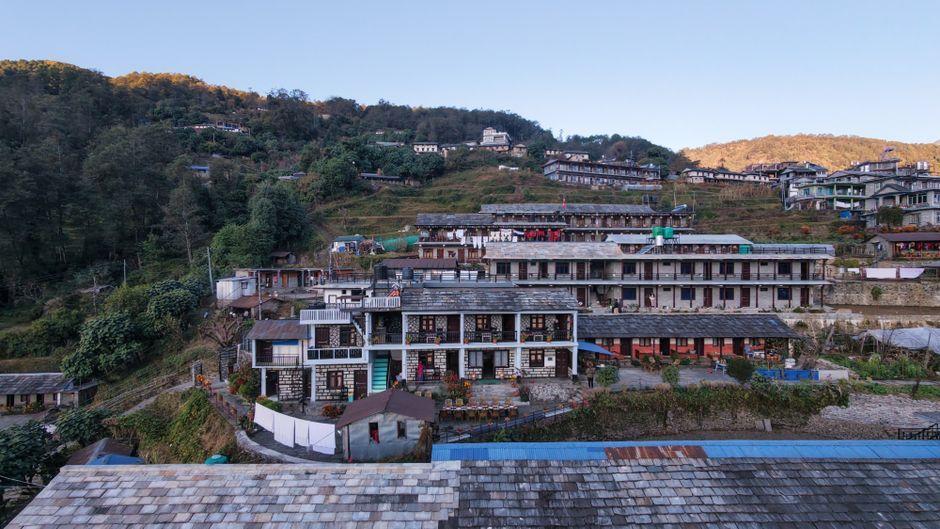
Ghandruk, a charming Gurung village perched at 2,300 meters in the Manang District of Nepal, offers travelers a blend of stunning mountain scenery, rich cultural heritage, and authentic Himalayan hospitality. Nestled in the shadow of the Annapurna range, Ghandruk serves as a popular stop on the Annapurna Circuit and provides an ideal base for trekkers, nature lovers, and cultural enthusiasts. This comprehensive Ghandruk Budget Travel Guide will help you plan an affordable yet unforgettable adventure, covering transportation, accommodation, food, activities, and practical tips.
Why Visit Ghandruk?
- Breathtaking Views: The village offers panoramic vistas of Annapurna South, Gangapurna, and other towering peaks, especially during sunrise and sunset.
- Cultural Immersion: Ghandruk is home to the Gurung people, known for their traditional architecture, vibrant festivals, and warm hospitality.
- Accessibility: Although remote, Ghandruk can be reached by road or on foot, making it feasible for budget travelers.
- Affordable Living: Compared to tourist hubs like Pokhara, Ghandruk provides low-cost lodging and meals without sacrificing authenticity.
Getting There
By Air
The nearest major airport is Pokhara International Airport (PKR), approximately 100 kilometers away. From Pokhara, travelers can take a bus, private vehicle, or join a trekking group.
By Road
- Bus: Regular buses run from Pokhara to Ghandruk via the scenic route through Nayapul and the Modi River gorge. The journey takes about 5–6 hours, depending on road conditions.
- Private Vehicle: Hiring a jeep or car offers flexibility and is recommended for groups or those with heavy gear.
- Trekking: Many visitors choose to trek from Nayapul (the starting point of the Annapurna Base Camp trek) to Ghandruk, a 5–6 hour walk that provides stunning views of the surrounding valleys.
By Foot
If you are already on the Annapurna Circuit, you can reach Ghandruk by walking from either Manang or Pisang, following well‑marked trails.
Best Time to Visit
- Spring (March–May): Clear skies, blooming rhododendrons, and moderate temperatures make it ideal for trekking.
- Autumn (September–November): Stable weather, excellent visibility, and comfortable temperatures are perfect for photography and long hikes.
- Winter (December–February): Cold but sunny; the landscape is dusted with snow, though some services may be limited.
- Summer (June–August): Monsoon season brings rain, which can make trails slippery and restrict access to certain areas.
Accommodation
- Guesthouses: Small family‑run establishments providing basic rooms, often with shared bathrooms. Prices typically range from NPR 300 to NPR 600 per night.
- Teahouses: Similar to guesthouses, teahouses serve meals and offer a communal dining area. They are popular among trekkers.
- Homestays: For a deeper cultural experience, stay with a local family. Homestays include meals and allow interaction with Gurung traditions.
- Camping: If you prefer to camp, designated sites are available near the village; you will need to bring your own gear or rent it in Pokhara.
Tips: Book in advance during peak seasons (April–May and October) to secure a spot.
Food and Dining
The culinary scene in Ghandruk reflects Nepalese and Tibetan influences:
- Dal Bhat: A staple dish of lentil soup and rice, often served with vegetable curry.
- Momo: Steamed dumplings filled with meat or vegetables, perfect for a quick snack.
- Thukpa: A hearty noodle soup, ideal for colder days.
- Tibetan Bread: Served with honey or butter, great for breakfast.
Most teahouses and guesthouses include breakfast in the room rate, while lunch and dinner are extra. Eating at local eateries helps support the community and keeps costs low.
Cultural Experiences
- Gurung Homestay: Spend a night with a local family to learn about traditional customs, dress, and daily life.
- Festivals: If your visit coincides with Losar (Tibetan New Year) or Gurung festivals, you can witness colorful dances, music, and rituals.
- Monastery Visit: The small Ghandruk Monastery offers insight into local Buddhist practices and provides a peaceful atmosphere.
- Handicrafts: Purchase handmade items such as Gurung caps, woolen scarves, and carved wooden figurines from village shops.
Hiking and Trekking
Ghandruk is a gateway to several iconic trails:
- Annapurna Base Camp (ABC): A 7–10 day trek starting from Nayapul that passes through Ghandruk, offering close views of Annapurna South.
- Annapurna Circuit: The circuit can be completed by trekking from Ghandruk to Manang and beyond.
- Ghandruk to Poon Hill: A 2‑day hike that provides sunrise views over the Himalayas.
- Day Hikes: Short walks to nearby villages such as Bamboo or Chomrong allow you to experience rural Nepal without extensive commitment.
Safety: Always check weather forecasts, carry a map and compass, and inform someone of your itinerary. Altitude sickness can be a concern above 3,000 meters; ascend gradually and stay hydrated.
Safety and Health
- Altitude: Ghandruk sits at 2,300 meters; most travelers acclimatize without issue, but be aware of symptoms such as headache, nausea, or dizziness.
- Medical Facilities: A small health post provides basic services. For serious conditions, you may need to travel to Pokhara.
- Water: Drink boiled or filtered water to avoid waterborne illnesses.
- Insurance: Purchase travel insurance that covers trekking and medical evacuation.
Travel Tips
- Currency: The local currency is the Nepalese Rupee (NPR). ATMs are limited; carry cash.
- Permits: For trekking in the Annapurna region, you need the Annapurna Conservation Area Permit (ACAP) and the Trekkers' Information Management System (TIMS) card.
- Packing: Pack layers, a waterproof jacket, sturdy trekking boots, a hat, and sunscreen. A daypack for water and snacks is essential.
- Communication: Mobile coverage is spotty; consider buying a local SIM card for better signal.
- Respect: Dress modestly, especially when visiting monasteries, and ask permission before photographing locals.
Additional Travel Advice
When planning your trip, consider purchasing a reusable water bottle to reduce plastic waste, and bring a basic first‑aid kit for minor injuries. It is also wise to download offline maps of the Annapurna region, as cellular service can be unreliable in remote areas. Engaging with local guides not only enhances safety but also provides deeper insight into Gurung culture. Finally, be mindful of environmental conservation; stick to marked trails and carry out all trash to preserve the pristine mountain environment.
FAQs
Q: How much does it cost to travel to Ghandruk?
A: Budget travelers can expect to spend around NPR 2,000–3,000 per day on accommodation, food, and local transport, excluding travel to/from Pokhara.
Q: Is Ghandruk safe for solo travelers?
A: Yes, Ghandruk is generally safe. However, it is advisable to stay in well‑lit areas at night and keep valuables secure.
Q: Can I trek to Ghandruk without a guide?
A: Yes, the trails are well‑marked, and many trekkers navigate independently. However, a guide can enhance safety and provide cultural insights.
Q: What is the best way to get from Pokhara to Ghandruk?
A: The most common option is a bus or private vehicle; the journey offers scenic views of the Modi River and terraced fields.
Q: Are there any cultural restrictions in Ghandruk?
A: As a predominantly Gurung community, visitors should respect local customs, such as removing shoes before entering homes and monasteries.
Conclusion
Ghandruk Nepal offers an authentic Himalayan experience that balances natural beauty with cultural richness. By following this Ghandruk Budget Travel Guide, you can enjoy the village's stunning landscapes, warm hospitality, and affordable amenities while minimizing expenses. Whether you are trekking to Annapurna Base Camp, exploring local traditions, or simply soaking in mountain views, Ghandruk promises memories that will last a lifetime.