
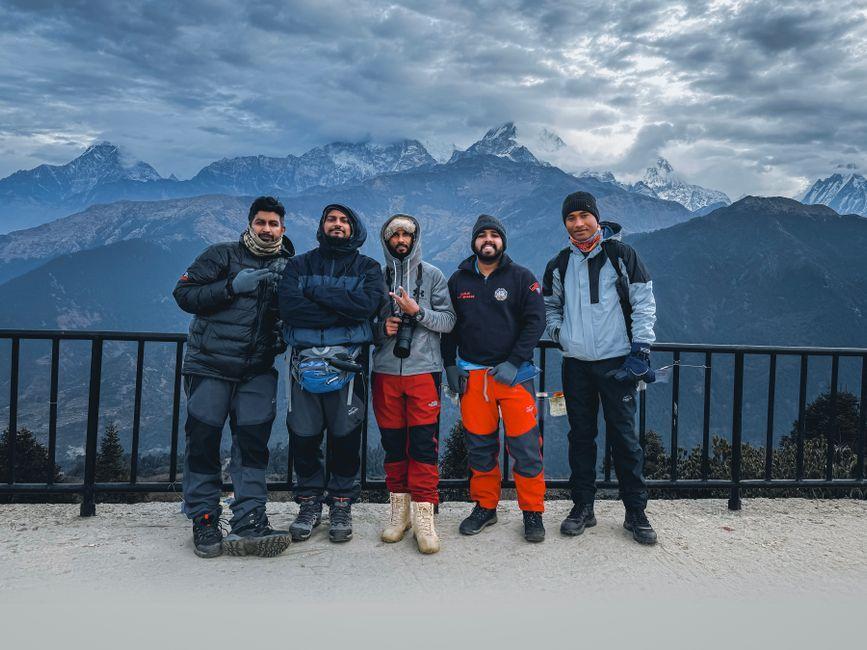
Explore Ghorepani Nepal with our ultimate trekking guide - routes, tips, culture, and sunrise at Poon Hill.
Ghorepani Trekking & Adventure Guide
Introduction
Nestled in the heart of the Annapurna region, Ghorepani is a gateway to some of the most enchanting sunrise views and vibrant rhododendron forests in Nepal. Whether you're embarking on the famed Poon Hill trek or simply seeking a tranquil retreat, this charming village offers an unforgettable blend of natural beauty, rich culture, and warm hospitality. Situated at approximately 2,874 meters (9,430 feet) above sea level, Ghorepani serves as a popular base for trekkers heading to Poon Hill, one of the most celebrated viewpoints in the Himalayas. The village itself is a tapestry of traditional Gurung and Magar houses, terraced fields, and prayer flags fluttering in the mountain breeze, offering visitors a genuine glimpse into Himalayan life.
Getting to Ghorepani
By Air
The nearest airport is Pokhara International Airport (also known as Pokhara Airport), located roughly 40 kilometers west of Ghorepani. Daily flights connect Pokhara with Kathmandu, making it convenient for international travelers. From Pokhara, you can hire a private jeep or take a local bus to Nayapul, the trailhead for most Annapurna treks.
By Road
From Kathmandu, a scenic drive of about 6-7 hours via the Prithvi Highway brings you to Pokhara. Continuing from Pokhara to Nayapul takes another 1.5-2 hours by road. Public buses operate regularly between Kathmandu, Pokhara, and Nayapul, though they can be crowded. For a more comfortable journey, consider hiring a private vehicle or joining an organized tour.
Trekking Start Point
Most trekkers begin the Poon Hill trek at Nayapul (1,070 m). From Nayapul, the trail follows the Modi Khola river, passing through Birethanti, Tikhedhunga, and Ulleri before reaching Ghorepani after approximately 5-6 hours of walking. The ascent includes a famous stone staircase of over 3,000 steps from Ulleri to Ghorepani, a rewarding challenge that offers panoramic views of the surrounding valleys.
Best Time to Visit
Spring (March-May)
Spring is arguably the most popular season for trekking in Ghorepani. The rhododendron forests burst into bloom, painting the hillsides with shades of red, pink, and white. Temperatures range from 10°C to 20°C during the day, making trekking comfortable. Clear skies provide excellent visibility of the Annapurna and Dhaulagiri ranges.
Autumn (September-November)
Autumn offers stable weather, crisp air, and outstanding mountain views after the monsoon rains have cleared. Daytime temperatures hover between 12°C and 22°C, while nights can drop to near freezing at higher elevations. This season attracts the largest number of trekkers, so early booking of accommodation is advised.
Winter (December-February)
Winter brings cold temperatures, especially at night, with possibilities of snowfall above 3,000 meters. While the trails are less crowded, some teahouses may close, and the Poon Hill sunrise can be obscured by fog. Proper gear and preparation are essential if you choose to trek in winter.
Monsoon (June-August)
Heavy rainfall makes the trails slippery and increases the risk of landslides. Leeches are common in lower forested sections. Trekking during the monsoon is generally not recommended unless you are experienced and equipped for wet conditions.
Trekking Routes
Poon Hill Trek (Classic)
The Poon Hill trek is a 4-5 day circuit that starts and ends at Nayapul. Highlights include:
- Day 1: Nayapul → Birethanti → Tikhedhunga → Ulleri (steep stone steps)
- Day 2: Ulleri → Ghorepani (through rhododendron and oak forests)
- Day 3: Early morning hike to Poon Hill (3,210 m) for sunrise, then trek to Tadapani
- Day 4: Tadapani → Ghandruk → Nayapul (descending through traditional Gurung villages)
Total distance: approximately 40 km with cumulative ascent of about 2,800 m.
Ghorepani to Annapurna Base Camp (ABC) Extension
For trekkers seeking a longer adventure, the Ghorepani route can be linked to the Annapurna Base Camp trek. After Poon Hill, continue via Tadapani, Chhomrong, Dovan, and Machapuchare Base Camp before reaching ABC at 4,130 m. This extension adds roughly 7-8 extra days and offers close-up views of Annapurna I, Machapuchare, and Hiunchuli.
Cultural Village Walk
A shorter option focuses on cultural immersion: Ghorepani → Ghandruk → Landruk → Nayapul. This route highlights traditional architecture, local festivals, and opportunities to interact with Gurung communities.
Accommodation and Food
Teahouses
Ghorepani boasts a range of teahouses offering basic yet comfortable lodging. Rooms typically feature twin beds, shared bathrooms, and blankets. Most teahouses provide hot showers (sometimes at an extra charge) and Wi-Fi in common areas. Prices range from $5 to $15 per night depending on the season and amenities.
Meals
Standard meals include dal bhat (lentil soup with rice), noodles, momos, and Tibetan bread. Vegetarian options are widely available. Breakfast often consists of porridge, eggs, and tea. Many teahouses serve dinner early, around 6-7 pm, to accommodate early morning treks.
Tips
- Carry cash (Nepalese rupees) as many teahouses do not accept cards.
- Respect local customs: remove shoes before entering sleeping areas, and ask permission before photographing people.
- Tip guides and porters appropriately (around 10% of their daily wage).
Culture and People
Ghorepani is inhabited primarily by the Gurung and Magar ethnic groups, both renowned for their bravery in the Gurkha regiments. Visitors can experience:
- Traditional Dress: Men often wear daura-suruwal; women don colorful gunyo-cholo.
- Festivals: Dashain and Tihar are celebrated with music, dance, and animal sacrifices.
- Handicrafts: Look for locally woven fabrics, wooden carvings, and silver jewelry.
- Language: Nepali is the lingua franca; many locals also speak Gurung and basic English.
Engaging with locals through a homestay or cultural show can enrich your trek and support community-based tourism.
Flora and Fauna
Rhododendron Forests
The area around Ghorepani is famous for its expansive rhododendron (Rhododendron arboreum) forests, Nepal’s national flower. In spring, the hillsides explode with color, attracting photographers and nature lovers.
Wildlife
While large mammals are scarce at these elevations, you may spot:
- Himalayan Monal (Danphe), Nepal’s national bird, with iridescent plumage.
- Langur monkeys foraging in the lower forests.
- Various pheasants and hill partridges.
- Occasionally, a Himalayan black bear or red panda in more remote sections.
Plant Life
Apart from rhododendrons, the forests host oak, maple, pine, and bamboo. Medicinal herbs such as yarsagumba (caterpillar fungus) are found in higher alpine zones, though collection is regulated.
Safety and Health Tips
Altitude Sickness
Although Ghorepani is moderate in altitude, ascending to Poon Hill (3,210 m) can cause mild symptoms for some trekkers. To minimize risk:
- Ascend gradually; spend an extra night at Ghorepani if needed.
- Stay hydrated (3-4 liters of water per day).
- Avoid alcohol and sleeping pills.
- Carry acetazolamide (Diamox) as a preventive measure, after consulting a doctor.
Weather Preparedness
Mountain weather changes rapidly. Pack layers, a waterproof jacket, and insulated gloves. Sunscreen, lip balm with UV protection, and a hat are essential even on cloudy days.
Trail Safety
- Stick to marked trails; shortcuts can lead to unstable terrain.
- Use trekking poles to reduce knee strain on descents.
- Hire a licensed guide if you are unfamiliar with the route; they provide navigation, cultural insight, and emergency support.
- Carry a basic first-aid kit, including bandages, antiseptic wipes, blister treatment, and personal medications.
Communication
Mobile coverage is sporadic; consider buying a local SIM card (Ncell or Nepal Telecom) in Pokhara for better connectivity. Satellite phones or GPS devices are recommended for remote sections.
Packing List
Clothing
- Moisture-wicking base layers (top and bottom)
- Insulating fleece or down jacket
- Waterproof and breathable shell jacket
- Trekking pants (convertible to shorts)
- Warm hat, gloves, and buff/scarf
- Sturdy trekking boots (broken in)
- Camp shoes or sandals for teahouse stays
Gear
- Backpack (30-45 L) with rain cover
- Sleeping bag rated to -10°C (optional, as teahouses provide blankets)
- Trekking poles
- Headlamp with extra batteries
- Water purification tablets or filter
- Reusable water bottles or hydration bladder (2 L capacity)
- Sunscreen (SPF 30+), lip balm, sunglasses
- Personal hygiene items (toothbrush, biodegradable soap, quick-dry towel)
Documents & Essentials
- Passport with visa (obtainable on arrival for most nationalities)
- Trekking permits: Annapurna Conservation Area Permit (ACAP) and TIMS card
- Travel insurance covering high-altitude trekking and evacuation
- Cash (Nepalese rupees) and a small amount of USD for emergencies
- Copies of permits, insurance, and emergency contacts
Frequently Asked Questions (FAQ)
Q1: Do I need a guide for the Poon Hill trek?
A: While the trail is well-marked and many trekkers go solo, hiring a guide enhances safety, provides cultural context, and supports the local economy. Guides are especially helpful for first-time visitors to Nepal.
Q2: How difficult is the stone staircase from Ulleri to Ghorepani?
A: The staircase consists of over 3,000 steps and can be strenuous, particularly for those unaccustomed to steep ascents. Take it slow, use trekking poles, and stay hydrated.
Q3: Can I see the sunrise from Poon Hill without trekking to Ghorepani?
A: The classic sunrise view requires an early morning hike from Ghorepani to Poon Hill (about 45-60 minutes uphill). Some tours offer a jeep to a lower viewpoint, but the panoramic vista is best from the summit.
Q4: Are ATMs available in Ghorepani?
A: No. The nearest ATM is in Pokhara or Nayapul. Carry sufficient cash for the trek.
Q5: What is the average daily budget for trekking in Ghorepani?
A: Budget trekkers can expect $20-$30 per day, covering accommodation, meals, permits, and guide/porter fees. Comfort-oriented trekkers may spend $40-$60 per day.
Q6: Is it safe to trek alone as a female traveler?
A: Yes, many women trek solo or in small groups. Use reputable guides, stay in established teahouses, and follow standard safety precautions.
Q7: What wildlife might I encounter on the trail?
A: Expect birds like the Himalayan Monal, langur monkeys, and various pheasants. Larger mammals are rare at these altitudes but possible in more remote sections.
Q8: How do I obtain the required trekking permits?
A: Permits can be acquired in Kathmandu or Pokhara at the Nepal Tourism Board office or through authorized trekking agencies. You’ll need a copy of your passport and two passport-size photos.
Travel Tips
- Start Early: Begin your trek early in the morning to enjoy cooler temperatures and avoid afternoon clouds that can obscure mountain views.
- Respect Local Customs: Dress modestly, especially when visiting monasteries or homes. Ask before taking photos of people.
- Stay Hydrated: Drink water regularly; consider using a reusable bottle with a purification system to reduce plastic waste.
- Pack Light: Every extra kilogram adds strain on your knees and back. Prioritize essentials and leave non-essential items in Pokhara.
- Support Local Economy: Purchase handicrafts directly from artisans, eat at locally owned teahouses, and tip guides and porters fairly.
- Leave No Trace: Carry out all trash, avoid picking flowers, and stay on marked paths to protect the fragile ecosystem.
- Acclimatize: If you plan to extend your trek to higher altitudes (e.g., Annapurna Base Camp), spend an extra night at Ghorepani or Tadapani to aid acclimatization.
- Check Weather Forecasts: Use reliable mountain weather services before setting out each day.
- Enjoy the Journey: Trek at a comfortable pace, savor the scenery, and engage with fellow travelers and locals.
Conclusion
Ghorepani offers more than just a gateway to Poon Hill’s legendary sunrise; it is a vibrant Himalayan village where nature, culture, and adventure intertwine. Whether you are a seasoned trekker aiming for Annapurna Base Camp, a photographer chasing the perfect alpine light, or a traveler seeking authentic Nepali hospitality, Ghorepani delivers an experience that lingers long after you leave its mist-kissed trails. By preparing adequately, respecting the environment and its people, and embracing the spirit of the mountains, your journey to Ghorepani will become a cherished chapter in your travel story.