
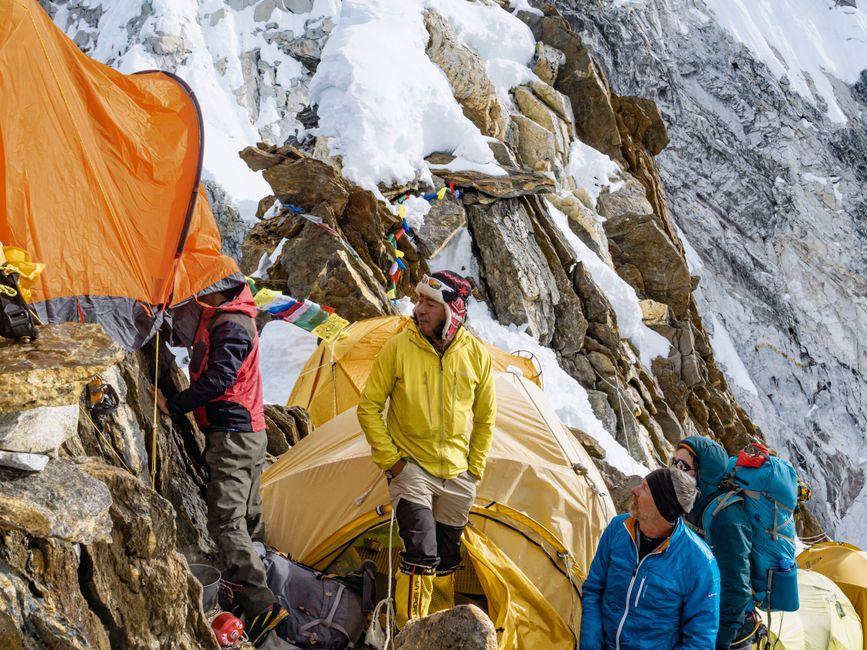
Explore affordable trekking to Kanchenjunga Base Camp Nepal with this budget guide‑plan routes, costs, and tips for an unforgettable Himalayan adventure.
Kanchenjunga Base Camp Budget Travel Guide
Introduction
If you crave an authentic Himalayan adventure without breaking the bank, the 'Kanchenjunga Base Camp Nepal' trek is the perfect answer. This remote odyssey takes you through the eastern Himalayas, offering towering views of the world’s third‑highest peak, vibrant rhododendron forests, and pristine alpine meadows. Whether you’re a seasoned trekker or a first‑time explorer, this guide will show you how to plan a budget‑friendly journey that maximizes experience while minimizing cost. We’ll cover everything from the best seasons to travel, affordable lodging options, and essential tips to keep your trek safe and memorable. By the end of this 'Kanchenjunga Base Camp Budget Travel Guide', you’ll have a clear roadmap to explore one of Nepal’s most untouched regions without overspending.
Getting There: From Kathmandu to the Trailhead
Reaching 'Kanchenjunga Base Camp' begins with a flight to Nepal’s capital, Kathmandu. From there, you can either join a group tour or arrange private transport to the airport of Bagdogra (India) or Bhadrapur (Nepal), depending on your entry point. Most trekkers choose the Bhadrapur route because it offers a smoother transition into the trek. From Bhadrapur, a combination of a short taxi ride, a bus, and a rented jeep will take you to the village of Ramite, the official starting point for many 'Kanchenjunga Base Camp' expeditions. Booking flights early and using shared transport can significantly reduce expenses. Consider traveling during the shoulder seasons (late October to early November, and March to May) when flight delays are minimal and weather is clear.
Best Time to Visit
The ideal window for a 'Kanchenjunga Base Camp' trek is late October through early December and March through May. During these months, daytime temperatures are manageable, and clear skies provide spectacular mountain vistas. The monsoon season (June to September) brings heavy rain, making trails slippery and visibility poor. Even in the “best” months, evenings can get cold, especially above 3,500 meters, so layering is essential. Visiting during the shoulder seasons not only offers pleasant trekking conditions but also lower accommodation costs compared to the peak autumn period.
Trek Overview and Itinerary
A typical 'Kanchenjunga Base Camp' trek spans 12 to 14 days, depending on your pace and any optional side trips. The route starts at Ramite (2,200 m) and ascends through the rhododendron‑filled valleys of the Sankhuwasabha district. Key waypoints include:
- Ramite – Salleri (3,100 m) – First major climb, beautiful forest trails.
- Salleri – Yumthang (3,500 m) – Known for hot springs and alpine flora.
- Yumthang – Lhuntse (3,800 m) – Introducing high‑altitude grazing lands.
- Lhuntse – Kanchenjuna Base Camp (4,200 m) – Final destination with awe‑inspiring views.
Each day’s march is designed to allow acclimatization, with longer rest stops at teahouses where you can refuel and shelter for the night. The itinerary is flexible; you can add a side trek to the nearby Tsho Rolpa Glacier or spend extra days at higher altitudes for photography. Keeping a modest daily budget (e.g., $20‑_$30 per person for accommodation and meals) ensures the whole trip stays affordable.
Accommodation Options (Budget‑Friendly)
Finding budget lodging on the 'Kanchenjunga' trek is straightforward because most villages have simple teahouses. Expect to pay roughly $8‑$12 per night for a dorm‑style bed with a shared bathroom. These teahouses offer warm meals, basic Wi‑Fi in some locations, and a cozy atmosphere. To keep costs low, consider bringing a sleeping bag rated for 0 °C and a lightweight mat; many trekkers skip hiring guides and rely on local porters instead. Booking in advance is not always possible due to the remote nature of the route, so be prepared to negotiate directly with teahouse owners upon arrival. Staying in shared dormitories rather than private rooms can shave off $5‑$10 per night, adding up quickly over a two‑week trek.
Food and Meals
Meal costs also play a large role in overall budgeting. At each teahouse, you’ll be served traditional Nepalese dishes such as dal‑bhat (lentils with rice), thukpa (noodle soup), and momos (dumplings). Prices typically range from $3 to $5 per plate. Packing high‑energy snacks like nuts, dried fruit, and instant noodles can reduce reliance on teahouse meals, especially on higher passes where options are limited. If you have dietary restrictions, inform your teahouse host early; many are accommodating and can prepare vegetarian or vegan options. Cooking your own meals at lower elevations using a portable stove can also save money and give you more control over nutrition.
Transportation and Logistics
Local transport from Kathmandu to the trailhead accounts for a significant portion of the budget. Using shared taxis, public buses, and hired jeeps instead of private cars can cut expenses by up to 40 %. Additionally, many trek operators offer group discounts for equipment rentals (boots, backpacks, tents). If you’re an experienced trekker, you can forego a guide and rely on local porters, whose fees are modest (around $10‑_$12 per day for two porters). Ensure that you have a reliable means of communicating with your group, as cellular coverage is spotty but available in most villages. A satellite messenger or a simple radio can be a safety net without adding excessive cost.
Packing List for Budget Trek
A lean packing strategy keeps weight and cost down. Essentials include:
- Lightweight, waterproof trekking jacket and pants
- Moisture‑wicking base layers (2‑3 sets)
- Mid‑layer fleece or insulated jacket
- Sturdy trekking boots (broken in beforehand)
- Warm hat, gloves, and scarf
- Headlamp with extra batteries
- Reusable water bottle and purification tablets (or a lightweight filter)
- First‑aid kit with blister treatment
- High‑energy snacks and a small cook stove with fuel
- Small daypack for side excursions
- Camera or smartphone for capturing the mountain scenery
Avoid buying expensive gear on‑site; most villages have basic equipment stores but prices are often inflated. Prioritizing versatility (e.g., a shell jacket that serves multiple seasons) maximizes utility while minimizing spend.
Health and Safety
Altitude sickness is the primary concern on a 'Kanchenjunga' trek. Symptoms usually appear above 3,000 m. To prevent issues, ascend gradually, stay well‑hydrated, and include a rest day at intermediate villages. Medications such as acetazolamide (Diamox) can be used prophylactically, but obtain them from a reputable clinic before departure. Carry a basic medical kit, including pain relievers, anti‑nausea tablets, and any personal prescriptions. It’s wise to purchase travel insurance that covers high‑altitude evacuations; many reputable insurers offer affordable policies for trekking. Finally, keep a copy of your passport and emergency contact details in a waterproof pouch.
Local Culture and Customs
Respect for local traditions enriches the trekking experience and ensures smooth interactions. When entering monasteries or temples, remove shoes, avoid touching the Buddha’s head, and dress modestly (cover shoulders and knees). Offer a small donation or purchase a prayer flag as a sign of goodwill. Learn a few basic Nepali phrases such as 'Namaste' (hello) and 'Dhanyabaad' (thank you). Engaging with Sherpa or Rai communities provides insight into their resilient lifestyle and deep spiritual connection to the mountains. Simple gestures of respect go a long way toward preserving the cultural integrity of the region.
Environmental Tips and Leave No Trace
The fragile alpine ecosystem around 'Kanchenjunga Base Camp' demands careful stewardship. Pack out all waste, including food scraps and plastic, in reusable bags. Use biodegradable soap only when washing dishes, and avoid discarding trash in streams. Stick to established trails to protect fragile vegetation, especially the delicate rhododendron groves. When possible, support locally owned teahouses and hiring local porters, as this sustains the community economy. Respect wildlife by maintaining a safe distance; the region is home to red pandas, Himalayan tahr, and various bird species. By practicing Leave No Trace principles, you help preserve the pristine beauty for future generations.
FAQs
Q: How much does a 'Kanchenjunga Base Camp' trek cost?
A: Total expenses typically range from $800 to $1,200 for a 12‑day budget trek, covering flights, transport, accommodation, meals, permits, and insurance.
Q: Do I need a guide?
A: Guides are optional. Many trekkers hire local porters for load‑carrying, which can reduce costs while still receiving local knowledge.
Q: What permits are required?
A: Foreign trekkers need a TIMS card (Travel Insurance and Management System) and a restricted area permit, obtainable in Kathmandu or at the district police office in Taplejung.
Q: Can I trek during the monsoon?
A: While possible, monsoon trekking presents challenges such as heavy rain, landslides, and limited visibility, making it less ideal for budget travelers seeking comfort.
Q: What currency should I bring?
A: Nepalese Rupees (NPR) are the standard; carrying a small amount of USD for initial purchases is helpful.
Q: Is bottled water readily available?
A: Bottled water is sold in teahouses, but refilling stations are scarce. Carry a reliable water purification method.
Q: How do I get emergency help?
A: The teahouse owners can contact the district police or a local guide. Many trekkers also carry a satellite messenger device for direct emergency communication.
Travel Tips
- Book flights early: Lower airfare to Pokhara or Bhadrapur can save $50‑_$100.
- Use shared transport: Combine taxis, buses, and jeeps to reduce travel costs.
- Stay in dormitories: Private rooms cost significantly more; dorm beds provide a social atmosphere.
- Cook your meals: A lightweight stove and fuel allow you to prepare cheap, nutritious meals.
- Track expenses daily: Use a simple spreadsheet to monitor spending and adjust as needed.
- Carry cash: ATMs are scarce; having NPR on hand prevents inconvenience.
- Learn basic Nepali: Simple phrases improve interactions and can lead to friendly discounts.
- Acclimatize wisely: Skipping rest days may lead to higher medical costs later.
- Use reusable water bottles: Reduces plastic waste and saves money on bottled water.
- Plan for communication: A cheap satellite phone or a local SIM with limited coverage can be a lifesaver.
Conclusion
The 'Kanchenjunga Base Camp Nepal' trek offers an unparalleled blend of dramatic mountain scenery, cultural richness, and untouched wilderness‑all within reach of a well‑planned budget. By following the strategies outlined in this 'Kanchenjunga Base Camp Budget Travel Guide', you can enjoy an affordable, safe, and unforgettable Himalayan adventure. From selecting the optimal travel dates and choosing economical lodging to mastering local customs and minimizing environmental impact, each step contributes to a rewarding experience that stays kind to your wallet and the planet. Pack smart, stay respectful, and let the majestic peaks of Kanchenjunga inspire your journey. Happy trekking!