
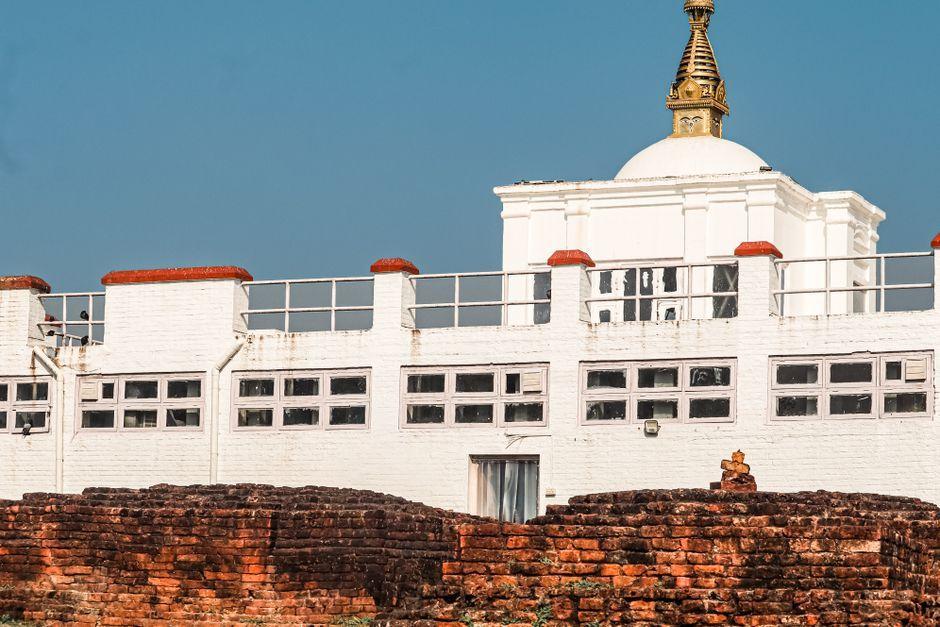
Discover Lumbini Nepal with our budget guide, covering attractions, costs, and tips for a spiritual journey.
Lumbini Budget Travel Guide
Introduction
Lumbini Nepal stands as one of the most revered Buddhist pilgrimage sites in the world. Located in the Rupandehi District of southern Nepal, this UNESCO World Heritage Site marks the birthplace of Prince Siddhartha Gautama, who would become the Buddha. The sacred garden, ancient stupas, and monasteries attract travelers seeking spiritual insight, history, and cultural immersion. Whether you are a devout follower or a curious explorer, a Lumbini Budget Travel Guide offers practical advice on how to experience this profound destination without breaking the bank.
Why Visit Lumbini
Visiting Lumbini provides a unique opportunity to walk the same ground that shaped a major world religion. The site features the Mayadevi Temple, the Ashoka Pillar, and numerous monasteries representing traditions from Theravada to Mahayana. The peaceful atmosphere encourages meditation and reflection. Moreover, the surrounding region offers natural beauty, local cuisine, and affordable accommodation, making it an ideal stop for budget travelers.
Getting There
Reaching Lumbini is convenient from several entry points. The nearest airport is Siddharthanagar Airport (Bhairahawa), which receives domestic flights from Kathmandu and Pokhara. From the airport, a taxi or bus takes about 30 minutes to reach the Lumbini complex. Alternatively, you can take a bus from Kathmandu or Pokhara to the town of Siddharthanagar, then transfer to a local transport. Train services are limited, but the nearest railway station is at Siddharthanagar, connecting to major Nepalese cities.
Accommodation Options
Budget travelers will find a range of lodging choices near the sacred site. Guesthouses and hostels in Siddharthanagar offer rooms for as low as 500 Nepalese rupees per night. Mid-range hotels provide comfort for 1,000 to 2,000 rupees. For a more authentic experience, consider staying in a monastery guesthouse, which often includes simple meals and meditation sessions. Booking in advance during peak pilgrimage seasons ensures availability and better rates.
Must-See Attractions
Mayadevi Temple
The Mayadevi Temple is the heart of Lumbini, marking the exact spot of the Buddha's birth. The temple houses a stone marker and an ancient statue of the infant Buddha. Visitors can participate in prayer ceremonies and receive blessings from resident monks.
Ashoka Pillar
Erected by Emperor Ashoka in 249 BCE, the pillar bears an inscription confirming the site as the Buddha's birthplace. It is a significant archaeological artifact and a symbol of Buddhist heritage.
Sacred Garden
The garden surrounds the temple and includes ponds, pathways, and meditation spots. Walking among the trees provides a serene environment for contemplation.
Monasteries
Multiple monasteries representing countries such as China, Japan, Myanmar, and Thailand are scattered around the complex. Each offers unique architectural styles and cultural displays. Some allow visitors to join meditation sessions or attend teachings.
Lumbini Museum
The museum exhibits artifacts related to the life of the Buddha, including sculptures, coins, and ancient manuscripts. Admission is nominal, making it an affordable educational stop.
Food and Dining
Local eateries serve traditional Nepali dishes at reasonable prices. Must-try items include dal bhat, momo, and thukpa. Many restaurants near the complex offer vegetarian options, aligning with Buddhist principles. Street vendors provide snacks like samosas and fresh fruit. For a more upscale experience, a few hotels have restaurants with international cuisine, though prices are higher.
Budget Tips
- Travel Off-Peak: Visiting during the monsoon season (June to September) reduces crowd levels and lowers accommodation costs.
- Use Public Transport: Local buses and shared taxis are inexpensive ways to move around the area.
- Free Activities: Many monasteries offer free meditation sessions and teachings.
- Carry Cash: Small shops and vendors may not accept cards, so keep Nepalese rupees on hand.
- Combine Visits: Explore nearby attractions like the Kapilvastu ruins together with Lumbini to maximize value.
Sample Itinerary
Day 1 – Arrival and Orientation
Arrive in Siddharthanagar, transfer to a budget guesthouse. Spend the afternoon exploring the Mayadevi Temple and the Sacred Garden. Attend an evening meditation session at a nearby monastery.
Day 2 – Cultural Immersion
Visit the Ashoka Pillar and Lumbini Museum in the morning. After lunch, tour the international monasteries, noting architectural differences. Participate in a guided walking tour to learn about Buddhist history.
Day 3 – Day Trip to Kapilvastu
Take a bus to Kapilvastu, the childhood home of the Buddha. Explore the ruins and return to Lumbini in the late afternoon.
Day 4 – Reflection and Departure
Spend the morning at a quiet pond within the garden, practicing meditation. Check out of your accommodation and head to the airport or bus station.
FAQs
Q1: Is Lumbini safe for solo travelers?
A: Yes, Lumbini is generally safe. The presence of monks and pilgrims creates a peaceful environment. Standard precautions apply, such as guarding personal belongings.
Q2: What is the best time to visit Lumbini?
A: The ideal months are October to March when weather is mild. Avoid the heavy monsoon rains for more comfortable travel.
Q3: Do I need a visa to visit Lumbini?
A: Most foreign nationals require a visa for Nepal. You can obtain it upon arrival at Kathmandu or Pokhara airport, or apply online in advance.
Q4: Are there entry fees for the Lumbini complex?
A: The sacred garden is free. Some monasteries may request a small donation. The museum charges a nominal fee.
Q5: Can I bring religious items into the site?
A: Visitors are allowed to bring incense, flowers, or prayer beads. However, large statues or commercial goods may be restricted.
Travel Tips
- Dress Modestly: Cover shoulders and knees when entering temples or monasteries.
- Remove Shoes: Before entering certain shrines, you will need to remove your shoes.
- Respect Silence: Maintain a quiet demeanor during meditation sessions.
- Photography: Some areas prohibit photography; always ask permission.
- Local Guides: Hiring a knowledgeable guide can enrich your experience, especially for understanding inscriptions and symbolism.
Additional Considerations
In addition to the main attractions, Lumbini offers opportunities for volunteering, such as helping with community projects or assisting in monastery gardens. These programs often provide accommodation and meals in exchange for a few hours of work, further reducing travel costs. The nearby town of Siddharthanagar has small markets where you can purchase handmade crafts and Buddhist artifacts as souvenirs. When planning your trip, consider checking the lunar calendar, as full moon days are especially significant for Buddhist ceremonies and may enhance your spiritual experience.
Practical Information
The official currency of Nepal is the Nepalese rupee. Credit cards are accepted in larger hotels and restaurants, but many smaller establishments prefer cash. The local language is Nepali, though English is widely spoken in tourist areas. The time zone is UTC+5:45, and standard voltage is 230V with two‑pin plugs. Tap water is not safe to drink; bottled or filtered water is recommended. Basic medical facilities are available in Siddharthanagar, but for serious conditions, travel to Kathmandu is advisable. The region is generally safe, but standard precautions against petty theft are wise. Mobile network coverage is good, and local SIM cards provide inexpensive data plans. Internet access is available in many guesthouses and cafes.
Cultural Etiquette
When visiting temples and monasteries, it is customary to remove your shoes before entering. Dress modestly, covering shoulders and knees. Speak softly and avoid loud conversations. When receiving blessings from a monk, place your hands together in a prayer gesture. It is polite to offer a small donation if you wish to receive a blessing. During prayer times, refrain from walking in front of the shrine. These practices show respect and enhance your experience.
Travel Insurance
While not mandatory, travel insurance is recommended. It can cover medical emergencies, trip cancellations, and lost belongings. Choose a policy that includes coverage for adventure activities if you plan to trek nearby hills.
Local Transportation
Within Lumbini, walking is the most convenient way to explore the sacred garden. For longer distances, local buses and shared taxis are available. Cycle rickshaws offer a traditional means of transport and can be hired for a few rupees.
Conclusion
A Lumbini Budget Travel Guide demonstrates that exploring this sacred site need not be expensive. With affordable lodging, free spiritual activities, and a range of cultural attractions, travelers can experience profound history and tranquility. By following the tips and itineraries outlined above, you can create a memorable journey that honors the legacy of the Buddha while respecting your budget. Whether you seek enlightenment or simply a peaceful retreat, Lumbini Nepal offers an unforgettable adventure.