
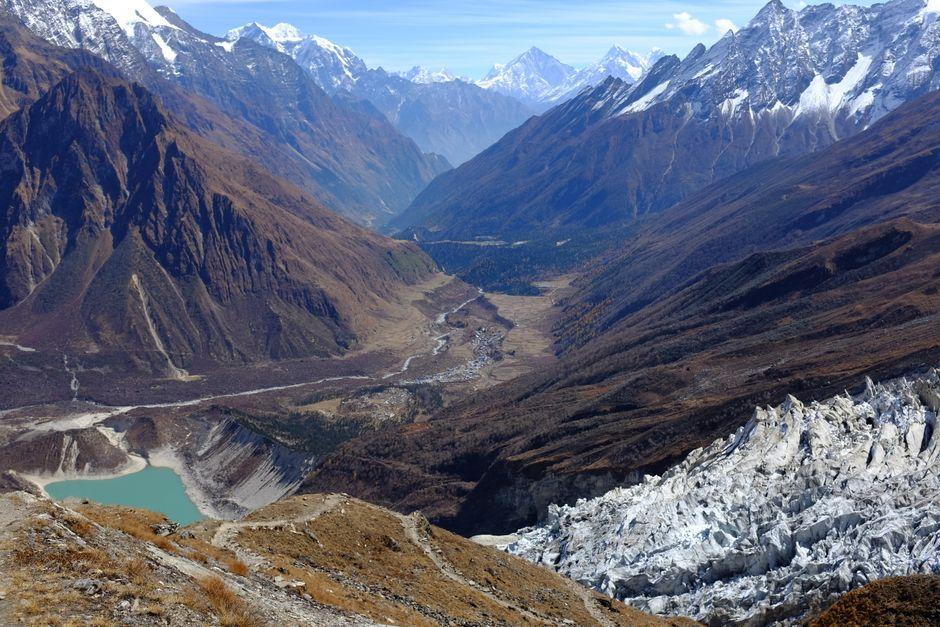
Discover the ultimate Manaslu Circuit Budget Travel Guide. Learn about permits, the best time to visit, costs, and how to conquer the Larkya La Pass.
Manaslu Circuit Budget Travel Guide: Your Ultimate Guide to the Himalayas
Introduction: Discover the Mystical Realm of Manaslu
If you are seeking an alternative to the crowded trails of the Annapurna or Everest regions, look no further. The Manaslu Circuit Nepal offers an immersive journey through the country’s mystical mountain realm, weaving together soaring peaks, serene valleys, and rich Buddhist heritage. Unlike the more commercialized routes, the Manaslu Circuit provides a raw, authentic connection to the Himalayas.
From the iconic Larkya La Pass to the tranquil mountain hamlets of the Tsum Valley, this 28-day route promises breathtaking landscapes and unforgettable cultural encounters. Whether you’re chasing the crisp Himalayan air or your heart’s desire for adventure, Manaslu beckons as Nepal’s hidden gem. This Manaslu Circuit Budget Travel Guide is designed to help you navigate this spectacular trek without breaking the bank, ensuring you focus on the experiences that truly matter.
Why Choose the Manaslu Circuit?
Choosing the Manaslu Circuit means choosing a path less traveled. While the Everest Base Camp trek offers high-altitude spectacle, Manaslu offers something deeper: a cultural immersion that is harder to find elsewhere.
1. Cultural Richness
As you traverse the region, you will witness Tibetan-influenced Buddhist culture. The sight of prayer flags fluttering against turquoise skies, the smell of juniper incense in local monasteries, and the warm smiles of the local villagers make this trek a spiritual journey as much as a physical one.
2. Diverse Landscapes
In just a few weeks, you will move from lush, subtropical river valleys and terraced rice paddings to high-altitude alpine deserts and dramatic glacial moraines. The landscape is constantly shifting, ensuring that every day brings a new visual masterpiece.
3. The Challenge of Larkya La Pass
For seasoned trekkers, the crossing of the Larkya La Pass (5,106m) is the ultimate highlight. It is a test of endurance that rewards you with panoramic views of Mount Manaslu and the Ganesh Himal range.
—
Essential Trekking Information
Before you pack your bags, you need to understand the logistical realities of trekking in this region.
Best Time to Visit
- Spring (March to May): This is the best time for flower lovers. The rhododendrons are in full bloom, and the weather is generally stable, though it can get warm in the lower valleys.
- Autumn (September to November): This is the prime season for clear views. The skies are crisp, the air is dry, and visibility is at its peak. However, it is the busiest time, so book your permits in advance.
Permits and Regulations
Because Manaslu is a Restricted Area, you cannot trek it solo. You must be accompanied by a licensed Nepali guide and have a minimum of two trekkers in your group (though solo travelers can join guided groups).
Required Permits:
- Manaslu Restricted Area Permit: Required for the specific trekking zone.
- MCAP (Manaslu Conservation Area Project) Permit: Covers the conservation area fees.
- ACAP (Annapurna Conservation Area Project) Permit: Required if your route overlaps with Annapurna zones.
—
The 28-Day Manaslu Circuit Itinerary
While most trekkers complete the circuit in 18 to 24 days, a 28-day itinerary allows for acclimatization days and exploring side valleys like the Tsum Valley.
Phase 1: The Lowlands and Cultural Introduction
Your journey begins in Kathmandu, where you will finalize your permits. From there, you typically take a bus or flight to Soti Khola or Machha Khola. The first week involves trekking through warm valleys, crossing suspension bridges, and staying in basic teahouses.
Phase 2: Into the High Mountains
As the altitude increases, the scenery shifts from lush greenery to rugged stone mountains. You will pass through villages like Samagaon and Samdo, which serve as vital hubs for trekkers. This is where the culture becomes distinctly Tibetan.
Phase 3: The Larkya La Pass
This is the crux of the trek. You will climb steeply through high-altitude terrain. Success at the pass provides a profound sense of accomplishment and offers views that stay with you forever.
| Days | Focus | Highlight |
|---|---|---|
| 1-3 | Kathmandu to Soti Khola | Transition to mountains |
| 4-10 | Lower Manaslu Valleys | Waterfalls and rice terraces |
| 11-15 | High Altitude Acclimatization | Monasteries and Mani stones |
| 16-18 | Crossing Larkya La Pass | Panoramic mountain views |
| 19-24 | Descent via Larkya Valley | Glacial landscapes |
| 25-28 | Return to Kathmandu | Reflection and celebration |
—
Manaslu Circuit Budget Travel Guide: How to Save Money
Traveling through Nepal doesn't have to be expensive, but there are ways to optimize your budget while still ensuring a safe and comfortable trek.
1. Group Trekking
The single best way to save money is to trek in a group. This splits the cost of the mandatory guide, permits, and shared accommodation. Joining a local trekking agency in Kathmandu can significantly reduce your total expenses compared to booking everything through international travel agencies.
2. Teahouse Accommodation
Instead of luxury lodges (which are rare in Manaslu anyway), stick to the local teahouses. You will sleep in basic rooms, often with shared bathrooms. While it is less comfortable, it is significantly cheaper and places your money directly into the local economy.
3. Eat Local
Avoid imported goods like chocolate, wine, or processed energy bars. These are expensive and heavily taxed due to the logistics of transporting them to high altitudes. Stick to Dal Bhat (lentil stew and rice)—it is the nutritious fuel of the mountains and is incredibly affordable. Most teahouses offer "bottomless" refills of rice and lentils!
4. Water Purification
Buying bottled water every day is a major expense and an environmental disaster. Bring a reusable bottle and use purification tablets or a UV filter. This saves money and keeps the mountain trails clean.
—
Essential Packing List
Packing light is key. You will likely be using porters or yaks to carry your heavy gear.
- Footwear: Sturdy, waterproof trekking boots (broken in before you arrive!).
- Clothing Layers: Moisture-wicking base layers, a fleece jacket, a heavy down jacket, and waterproof trousers.
- Gear: Sleeping bag (rated to -20°C), headlamp, trekking poles, and a high-capacity power bank.
- Health Kit: Blister plasters, Diamox (for altitude sickness—consult your doctor), rehydration salts, and broad-spectrum antibiotics.
—
Expert Travel Tips
- Acclimatization is Non-Negotiable: Do not rush. Altitude sickness (AMS) is real and can be dangerous. Follow the "climb high, sleep low" rule.
- Cash is King: ATMs are non-existent on the trail. Carry enough Nepalese Rupees to cover all your expenses, including tips for your guide and porters.
- Learn Basic Nepali: A simple "Namaste" (I bow to the divine in you) goes a long way in building rapport with locals.
- Insurance: Ensure your travel insurance specifically covers high-altitude trekking and emergency helicopter evacuation up to 5,000m+.
—
Frequently Asked Questions (FAQs)
Do I need a guide for the Manaslu Circuit?
Yes. Due to government regulations for restricted areas, you must have a licensed guide and at least one other trekking partner.
How difficult is the Manaslu Circuit?
It is categorized as moderately difficult to difficult. The technical difficulty is low, but the physical endurance required for the high altitude and the Larkya La Pass is significant.
Is there Wi-Fi and electricity on the trail?
In lower altitudes, you may find Wi-Fi and charging stations (often for a small fee). In higher altitudes, you will rely on power banks and solar chargers.
Can I do the Manaslu Circuit solo?
No, it is legally required to have a guide for this specific route.
—
Conclusion
The Manaslu Circuit is a journey that transforms you. It is not just a hike; it is an encounter with the soul of the Himalayas. By following this Manaslu Circuit Budget Travel Guide, you can navigate the complexities of permits, altitude, and costs to experience one of the most rewarding adventures on Earth. Pack your bags, respect the mountains, and get ready to discover the magic of Manaslu!