
Discover the ultimate Nagarkot Trekking & Adventure Guide. Learn about best sunrise views, top treks, travel tips, and how to visit Nagarkot, Nepal.
Nagarkot Trekking & Adventure Guide: The Ultimate Sunrise Experience in Nepal
Nestled on a scenic ridge just 32 kilometers east of Kathmandu, Nagarkot, Nepal, is widely recognized as the country's premier sunrise destination. Offering unparalleled Himalayan panoramas from its breezy, high-altitude terraces, this mountain hamlet serves as a sanctuary for nature lovers, photographers, and adventurers alike.
Every dawn, travelers flock to this serene location to witness spectacular sunrise views that paint the world's highest peaks in brilliant golden light. Whether you are a seasoned trekker seeking challenging trails or a first-time visitor looking for a tranquil escape from the chaos of the city, this Nagarkot Trekking & Adventure Guide provides everything you need to plan the perfect Himalayan getaway.
Why Visit Nagarkot, Nepal?
Nagarkot is unique because it offers the high-altitude majesty of the Himalayas without the extreme physical demands of the Everest or Annapurna regions. It provides a perfect middle ground: the accessibility of a day trip from Kathmandu combined with the visual grandeur of a high-mountain expedition.
1. The Unrivaled Sunrise
The primary allure of Nagarkot is undoubtedly the sunrise. As the sun crests the horizon, the snow-capped peaks of the Langtang, Ganesh Himal, and even the distant Everest range (on exceptionally clear days) are illuminated. It is a spiritual and visual experience that captures the essence of the Himalayas.
2. Diverse Trekking Terrains
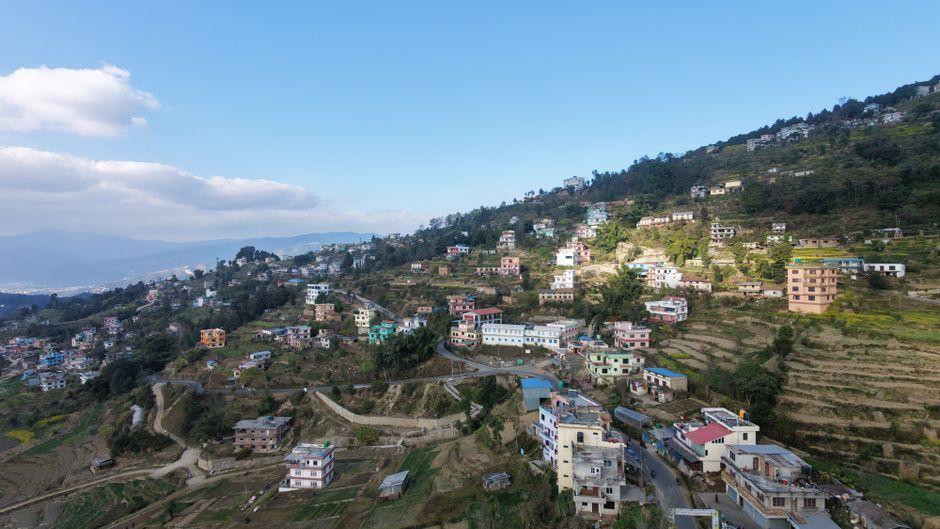
From gentle ridge walks to more strenuous climbs, the trails around Nagarkot cater to all fitness levels. The landscape is a tapestry of terraced hillsides, pine forests, and small Newari-influenced settlements.
3. Cultural Immersion
Unlike more commercialized trekking hubs, Nagarkot retains a sense of local charm. You can wander through village streets, interact with local residents, and experience the traditional way of life in the mid-hills of Nepal.
Top Things to Do in Nagarkot
Sunrise Viewing at Union Cottage or Local Viewpoints
While many resorts offer private balconies, the communal experience of watching the sun rise over the Himalayas is unforgettable. For the best views, aim for viewpoints that offer a clear northern and eastern trajectory.
Trekking the Nagarkot-Pariyakot Trail
A classic trek for visitors is the circuit through the surrounding hills. These trails often pass through lush forests and offer multiple viewpoints. The trek is non-technical but requires sturdy footwear and a steady pace.
Bird Watching and Nature Photography
Nagarkot is a haven for bird enthusiasts. With the altitude and diverse flora, you can spot various Himalayan bird species. Photographers will find endless inspiration in the shifting shadows and the dramatic play of light on the mountain faces.
Visit Nearby Changu Narayan
While in the Nagarkot area, it is worth taking a short trip to Changu Narayan, one of the oldest temples in the Kathmandu Valley. It provides a deep dive into the historical and religious tapestry of the region.
Essential Travel Advice for Nagarkot
When to Go: The Best Time to Visit
Timing is everything when you are chasing mountain views.
- Spring (March - May): This is the peak season. The weather is pleasant, and the rhododendrons are in bloom. However, morning mist can sometimes obscure the peaks.
- Autumn (September - November): Many consider this the best time. The skies are incredibly clear after the monsoon, offering the sharpest views of the Himalayan range.
- Winter (December - February): Expect cold mornings. While the skies can be clear, the temperature drops significantly, and you'll need heavy layers.
- Monsoon (June - August): Not recommended for trekking. Heavy rains and cloud cover make it difficult to see the mountains and can make trails slippery.
How to Get to Nagarkot
Getting to Nagarkot is straightforward:
- From Kathmandu: You can hire a private taxi, take a local bus from Kathmandu's Old Bus Park, or book a shared jeep. The journey takes roughly 1.5 to 2.5 hours depending on traffic and road conditions.
- Walking/Trekking: For the adventurous, you can trek to Nagarkot from the Kathmandu Valley, passing through several smaller villages along the way.
Accommodation Options
Nagarkot offers a wide range of stays:
- Luxury Resorts: Ideal for honeymoons or those seeking comfort, offering heated rooms and gourmet dining.
- Mid-range Hotels: Most popular for trekkers, providing cozy rooms and great breakfast views.
- Homestays: For those wanting true cultural immersion, staying with a local family is a life-changing experience.
Pro Trekking Tips for Nagarkot
- Layer Your Clothing: Even in spring, the temperature at sunrise can be quite chilly. Bring a light down jacket and a windbreaker.
- Footwear Matters: Even on easy trails, the terrain is uneven. Wear comfortable, broken-in hiking boots or sturdy walking shoes.
- Hydration and Snacks: Always carry a reusable water bottle and some high-energy snacks like nuts or chocolate.
- Check the Weather: Before heading out for a long trek, check the local forecast. Mist can roll in quickly.
- Carry Cash: While some resorts take cards, smaller local shops and eateries in the village will require Nepalese Rupees (NPR).
A Sample 2-Day Nagarkot Itinerary
Day 1: Arrival and Sunset
- Morning: Depart from Kathmandu.
- Afternoon: Check into your hotel and enjoy a light lunch with a view.
- Late Afternoon: Take a gentle walk through the nearby pine forests.
- Evening: Dinner featuring local Nepali cuisine (Dal Bhat) and stargazing.
Day 2: Sunrise and Exploration
- Early Morning (5:00 AM): Rise early for the sunrise. Head to a designated viewpoint with hot tea.
- Late Morning: Brunch and check-out.
- Afternoon: Embark on a short 3-hour trek to a nearby ridge or visit a local temple.
- Late Afternoon: Depart for Kathmandu.
Frequently Asked Questions (FAQs)
Q: Is Nagarkot difficult for beginners?
A: No. Nagarkot is perfect for beginners. The trails are well-marked and not overly steep, making it ideal for those new to trekking.
Q: Do I need a guide for Nagarkot trekking?
A: For the standard ridge walks, you don't strictly need a guide. However, hiring a local guide can provide deeper cultural insights and help you navigate less-frequented trails.
Q: Is there mobile network coverage in Nagarkot?
A: Yes, mobile signal and internet access are generally available in the main village areas and most hotels.
Q: Can I see Mt. Everest from Nagarkot?
A: On exceptionally clear days, you might see distant peaks, but Everest is quite far. You are much more likely to see Langtang and Ganesh Himal.
Q: What is the best food to try in Nagarkot?
A: You must try Dal Bhat (lentil stew with rice), Momo (dumplings), and local organic vegetables grown in the surrounding hills.
Conclusion
Nagarkot is more than just a stopover; it is a destination that offers a unique blend of accessibility and majesty. Whether you are standing on a terrace watching the sun turn the Himalayas to gold, or trekking through quiet, mist-covered forests, the experience is transformative. By following this Nagarkot Trekking & Adventure Guide, you are well on your way to discovering one of Nepal's most beautiful treasures. Plan your trip for the clear autumn skies, pack your warm layers, and prepare to be mesmerized by the beauty of Nagarkot, Nepal.