Explore the ultimate Nepal Trekking & Adventure Guide. From Everest Base Camp to cultural gems, discover everything you need for your Himalayan journey.
Nepal Trekking & Adventure Guide: Your Ultimate Journey to the Roof of the World
Welcome to the land of a thousand peaks. If you are reading this, you are likely dreaming of standing in the shadow of giants, breathing the thin, crisp air of the Himalayas, or finding spiritual solace in the ancient, chanting temples of the Kathmandu Valley. This comprehensive Nepal Trekking & Adventure Guide is designed to transform your wanderlust into a meticulously planned reality.
Nepal, Nepal is not just a destination; it is an experience that recalibrates your soul. From the highest point on Earth, Mount Everest, to the lush, subtropical jungles of Chitwan, this country offers a diversity of landscapes and cultures that few places on the planet can match. Whether you are a seasoned mountaineer or a spiritual seeker looking for peace, Nepal offers an adventure tailored to your heartbeat.
Why Visit Nepal? The Call of the Himalayas
Nepal is a land of profound contrasts. One moment you are navigating the bustling, sensory-overload streets of Kathmandu, and the next, you are walking through silence so deep it feels heavy. The country's geography is dominated by the Himalayan mountain range, which hosts eight of the fourteen highest peaks in the world.
However, the true magic of Nepal lies in its people. The warmth and resilience of the Nepali people, characterized by the greeting 'Namaste' (I bow to the divine in you), create an atmosphere of hospitality that makes every traveler feel at home. The spiritual heritage, rooted in deep Hindu and Buddhist traditions, infuses every corner of the country with a sense of sacredness.
Top Trekking Regions in Nepal
When it comes to trekking, Nepal, Nepal is unparalleled. Choosing the right trek is essential to ensure your adventure aligns with your fitness level and interest.
1. Everest Base Camp Trek (The Legend)
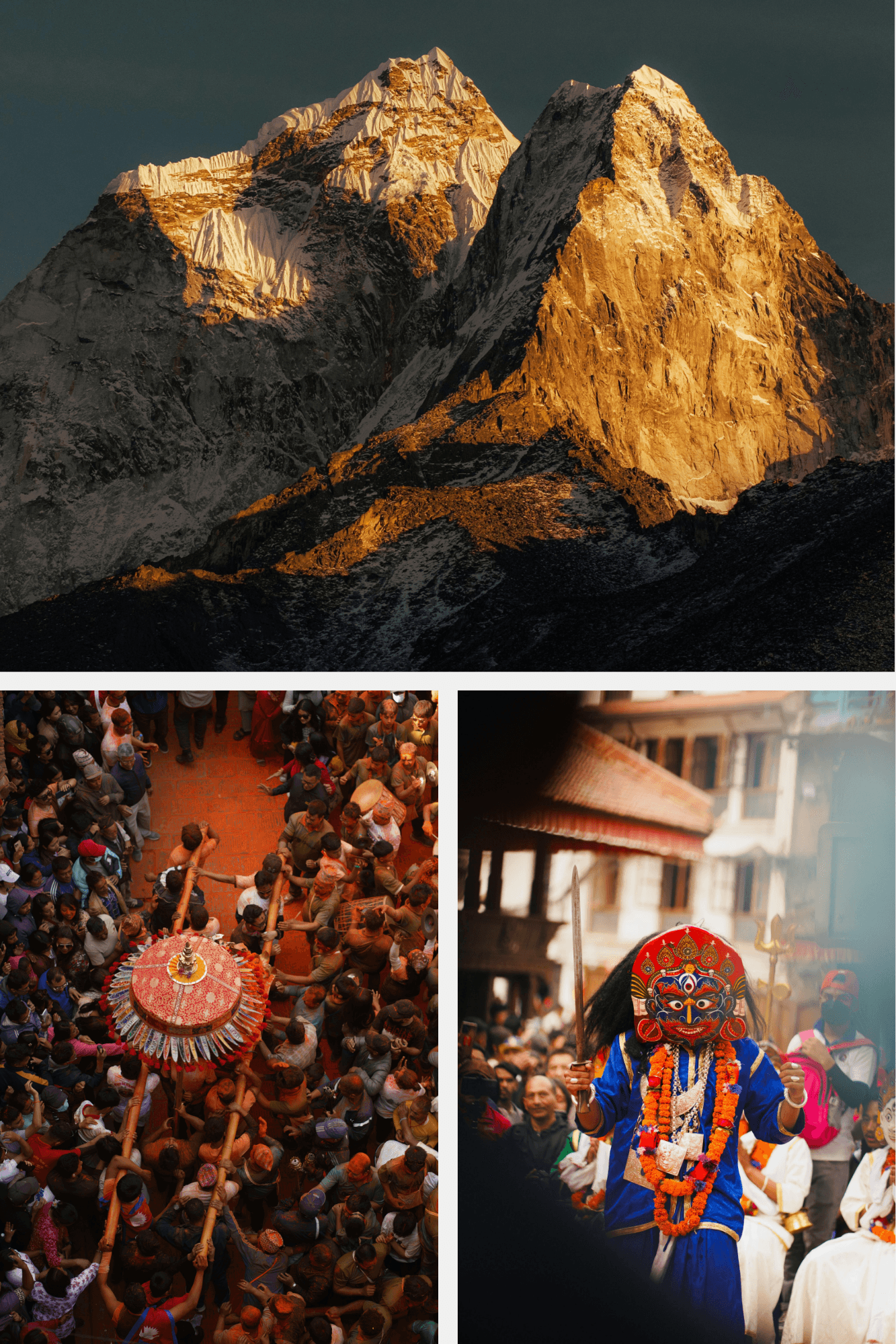
For those who want to stand at the foot of the world's highest peak, the Everest Base Camp (EBC) trek is the gold standard. Starting from Lukla—famous for one of the world's most challenging flights—this trek takes you through Sherpa villages, high-altitude passes, and breathtaking vistas of Nuptse and Ama Dablam.
2. Annapurna Circuit (The Diverse Journey)
Often cited as one of the best treks in the world, the Annapurna Circuit offers incredible variety. You will traverse from subtropical forests to high-altitude desert landscapes across the Thorong La Pass. It provides a cultural kaleidoscope of Gurung, Magar, and Tibetan-influenced communities.
3. Langtang Valley (The Cultural Gem)
If you want high-altitude drama without the extreme crowds of Everest, Langtang is your answer. This trek is renowned for its stunning valley views and the cultural richness of the Tamang people. It is also a great option for those looking for a slightly shorter, more accessible trek.
4. Manaslu Circuit (The Off-the-Beaten-Path Adventure)
For the intrepid adventurer, the Manaslu Circuit offers a more rugged and less commercialized experience. It winds around Mount Manaslu, the world's eighth-highest peak, and requires special permits, ensuring that the sense of wilderness remains intact.
Beyond Trekking: Other Adventures in Nepal
While trekking is the primary draw, Nepal's adventure portfolio is vast:
- White Water Rafting: The glacial rivers like the Bhote Koshi and Trishuli offer world-class rapids for adrenaline seekers.
- Paragliding: Pokhara is the ultimate hub for paragliding, offering views of the Annapurna range while you float through the sky.
- Wildlife Safaris: Head to Chitwan National Park to spot the One-Horned Rhinoceros, Bengal Tigers, and various species of crocodiles in their natural habitat.
- Mountaineering: For the elite, Nepal is the ultimate arena for summiting 8,000m peaks.
Essential Travel Advice for Nepal
Best Time to Visit
Nepal has two primary trekking seasons:
- Spring (March to May): Perfect for rhododendron blooms and climbing higher peaks. The weather is warming up, though it can be dusty.
- Autumn (September to November): The post-monsoon season offers the clearest skies and the most stable weather, making it the prime time for high-altitude trekking.
Note: The monsoon season (June to August) can make mountain trails slippery and muddy, and views are often obscured by clouds.
Health and Safety
- Altitude Sickness (AMS): This is the biggest risk for trekkers. Always ascend slowly, hydrate excessively, and listen to your body. If you feel a headache or nausea, descend immediately.
- Water Purification: Never drink tap water. Use purification tablets or UV filters to prevent waterborne illnesses.
- Insurance: Ensure your travel insurance covers high-altitude trekking and emergency helicopter evacuation. Standard policies often exclude activities above 3,000 meters.
Essential Packing List
No matter the trek, layering is the key to survival in the Himalayas.
- Base Layers: Moisture-wicking thermal tops and bottoms.
- Insulation: A high-quality down jacket and fleece layers.
- Outer Shell: A waterproof and windproof jacket and trousers.
- Footwear: Broken-in, waterproof trekking boots and high-quality wool socks.
- Gear: A reliable headlamp, power banks, a water bladder, and trekking poles.
- Personal Care: High-SPF sunscreen, lip balm, and a basic first-aid kit including Diamox.
Cultural Etiquette: Tips for Respectful Travel
When visiting temples or staying in remote villages, remember:
- Dress Modestly: When entering temples, cover your shoulders and knees.
- Walk Clockwise: When passing a Stupa or Mani Wall (prayer stones), always walk in a clockwise direction.
- Ask Before Photos: Always ask for permission before taking photos of locals or sacred ceremonies.
- Tipping Culture: Tipping is a significant part of the economy for guides and porters. A fair tip is greatly appreciated and supports local livelihoods.
Frequently Asked Questions (FAQs)
Q: Is Nepal safe for solo travelers?
A: Yes, Nepal is generally safe for solo travelers, especially women. However, we recommend hiring a local guide for remote treks to assist with navigation and cultural immersion.
Q: How much does a trek in Nepal cost?
A: Costs vary wildly depending on the trek's difficulty and duration. However, Nepal is quite affordable. A standard 2-week trek can cost between $500 to $1,500, excluding international flights.
Q: Do I need a permit to trek in Nepal?
A: Most trekking regions require specific permits (like the TIMS card and National Park permits). It is highly recommended to arrange these through a licensed trekking agency.
Q: Can I trek in Nepal without a guide?
A: While some areas allow solo trekking, many regions now require a licensed guide for safety and conservation reasons. Always check current regulations before you fly.
Conclusion
Nepal is more than just a destination; it is a transformative journey that challenges your physical limits and expands your spiritual horizons. From the iconic summits of the Himalayas to the tranquil temples of Kathmandu, Nepal, Nepal offers an escape from the mundane and a plunge into the extraordinary. Whether you are chasing the sunrise over Everest or finding yourself in the quiet valleys of the Manaslu circuit, your adventure of a lifetime awaits. Pack your bags, respect the mountains, and let the magic of Nepal unfold before you.
—
Plan your journey today and discover why Nepal is the ultimate sanctuary for adventurers worldwide!